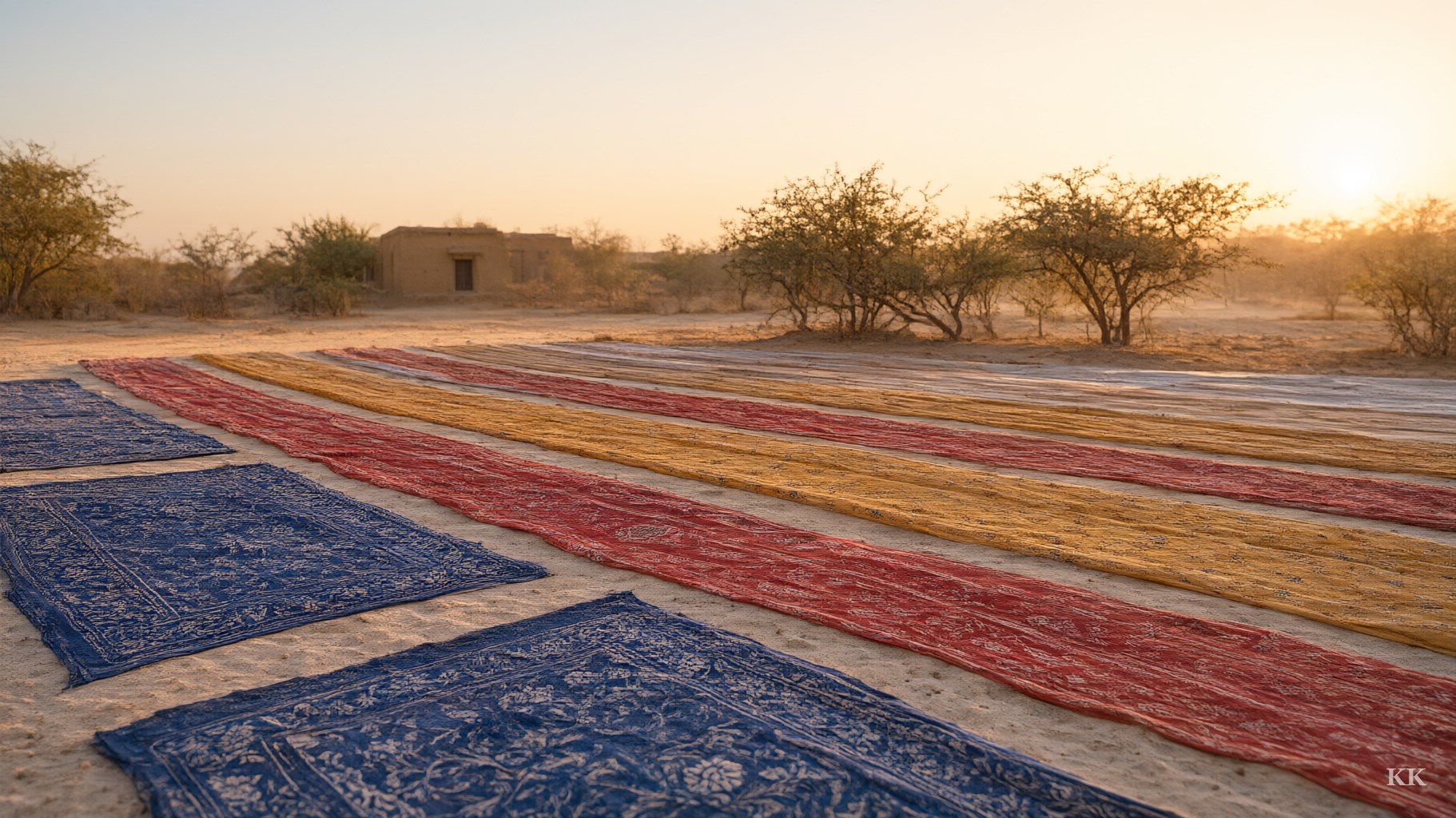
Most US founders meet Indian textiles through a single piece of cloth. It might be a block-printed cotton bought in Jaipur, an ikat a customer wore to a fitting, or a swatch a mill posted after a message on Instagram. Getting from that one piece to three hundred finished dresses in a New Jersey warehouse is five separate jobs, and most of the trouble happens in the gaps between them.
We have already written about why US brands are choosing Indian textiles and which Indian crafts suit a modern collection. This one is the practical part, in five stages.
India is the world’s sixth-largest exporter of textiles and apparel, with about 4% of world exports and $37.75 billion shipped in 2024–25 (PIB). A supply base that size gives you plenty of choice, and that makes picking the right supplier harder.
The Indian textile sourcing journey
Five stages, and the document you should be holding at the end of each one
- 01
Spec
A written fabric spec with tolerances
- 02
Supplier
A shortlist, with proof behind every claim
- 03
Samples
Approved lab dip, strike-off and garment sample
- 04
Testing
A lab report and an approved shade band
- 05
Production & entry
Inspection report, labels, customs paperwork
Step 1: Define Your Fabric Requirements Before You Contact Anyone
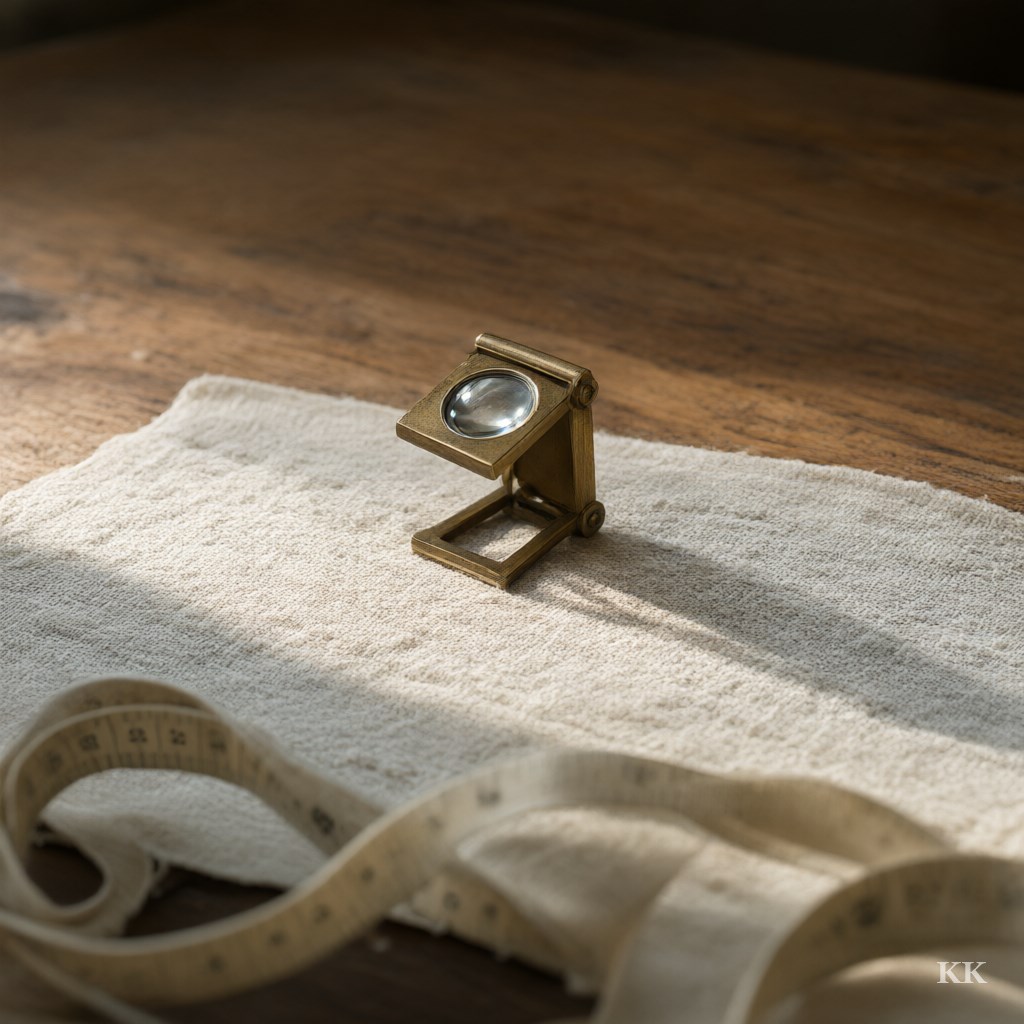
A supplier can only quote for what you describe. Ask five mills for “soft indigo block-printed cotton” and you will get five prices for five different fabrics, with no way to compare them.
Put the nine fields below in writing, including weight in GSM (grams per square metre; a 60 GSM voile is sheer, a 200 GSM twill makes trousers). Handmade cloth needs two extra lines. Ask the usable width before your pattern is graded, because some handlooms weave narrower than a mill. And agree a tolerance, since hand-woven weight and hand-printed colour shift a little from bolt to bolt.
Anatomy of a fabric spec
Nine fields to send with your first request. marks the lines that matter more for handmade cloth.
Fibre content
100% cotton, handloom
Weight (GSM)
110 GSM, ± agreed range
Usable width
Ask first: handlooms can run narrow
Construction
Plain weave, hand-woven
Colour reference
Physical standard you both hold
Print + repeat
Hand block print, repeat size in cm
Finish
Washed, pre-shrunk
End use
Midi shirt-dress
Target price
Per metre, at your quantity
The fabric spec later sits inside your tech pack (the full specification file the factory builds from). If weight is new to you, our GSM guide covers it.
Step 2: Find the Right Indian Textile Supplier, Then Check the Claims
Start with the export councils. The Handloom Export Promotion Council represents exporters of hand-woven cloth, and the Apparel Export Promotion Council represents garment makers. Trade fairs let you handle the fabric before you commit. Bharat Tex, India’s largest textile fair, runs in New Delhi from 31 March to 3 April 2027 (Bharat Tex), and closer to home, Texworld New York is at the Javits Center on 19–21 January 2027 (Messe Frankfurt). A referral from a founder who has already shipped with a supplier is often worth more than either.
Ask every candidate the same things. Do they make your fabric or buy it in? Can they sample before bulk, and what can they make in a month? Have they shipped to US buyers? Notice how fast they answer. A supplier who takes a week to reply now will take a week when a shipment is late.
Then check the craft claims, because “handloom” and “authentic” cost nothing to print on a sales deck.
What they say vs what to ask for
Five supplier claims and the proof that backs each one
| The claim | Ask for |
|---|---|
| “Handloom” | Handloom Mark registration, or a visit to the looms |
| “Authentic Chanderi / Pochampally ikat” | Registered authorised user of that Geographical Indication |
| “Organic cotton” | GOTS scope certificate, plus a transaction certificate for your batch |
| “Indian cotton” | Yarn and cotton origin records, mill by mill |
| “We export to the US” | A US buyer reference you can call |
The cotton line in that table matters more than it looks. US customs presumes that any goods made with inputs from China’s Xinjiang region were made with forced labour, wherever the garment was sewn (CBP). Shipments of Indian origin appear in its detention statistics, so find out which mills spun the yarn, and keep those records yourself.
Step 3: Request Fabric Samples in the Right Order
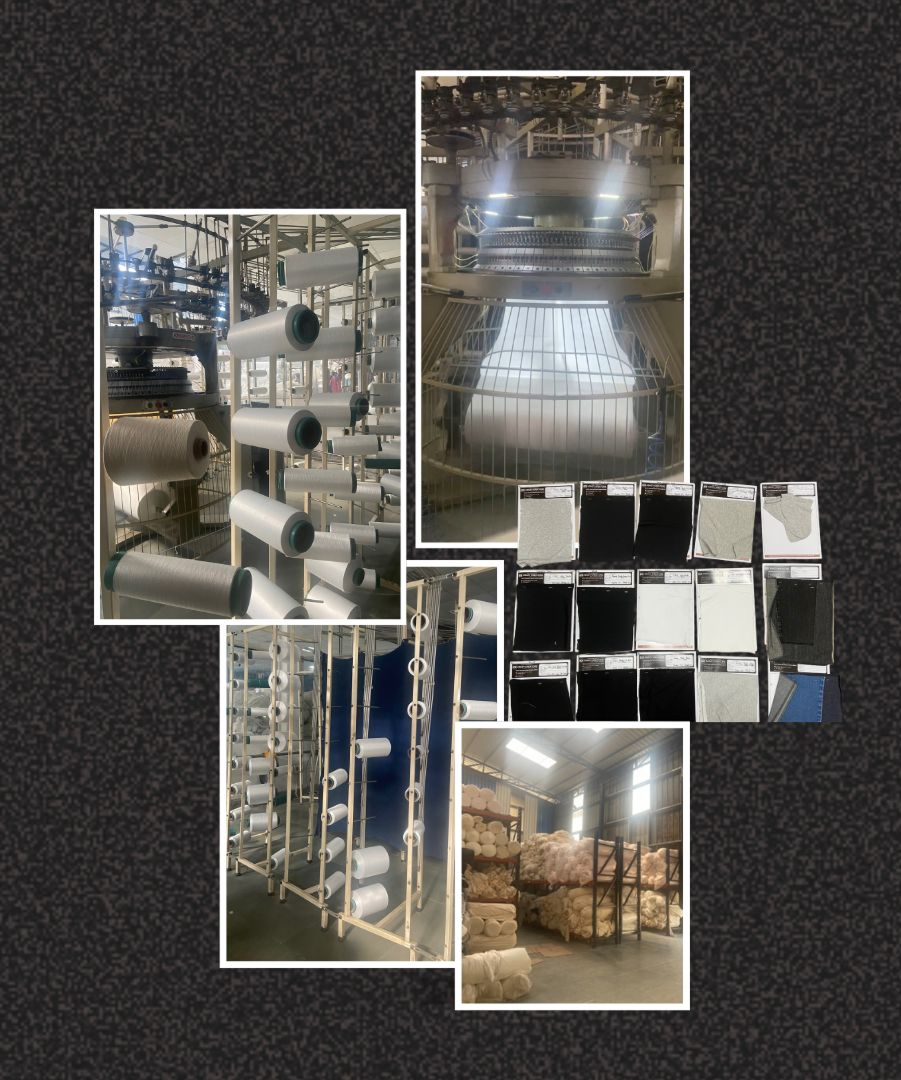

Samples come in a sequence, and skipping one usually costs a round later. Start with swatches to judge the handle. Next come lab dips (small pieces dyed to match your colour reference), and for a printed fabric, a strike-off (a short test run of your design on the actual cloth). Embroidery gets its own sample panel. Only once all of those are approved does it make sense to sew a garment sample.
Approve colour against a physical standard that you and the supplier both hold. A photo on a phone screen is not a colour standard, and it is a common reason a delivered shade “isn’t what we agreed”.
Free download
The Indian Fabric Spec Sheet
The nine-field spec from step 1 as a fill-in sheet, with the sample sequence and the four lab tests on the back. Send it with your first enquiry.
Step 4: Test Quality Before Bulk Production
A sample that looks right can still fail in a customer’s washing machine. Hand-dyed and natural-dyed cloth is where this bites hardest, so send the approved fabric to an independent lab before you sign off bulk. Four tests, published by AATCC and ASTM, cover most of the risk.
Four lab tests before bulk
The US test methods to name on your purchase order
AATCC TM61
Colourfastness to laundering
Catches: Dye that fades or bleeds in the wash
AATCC TM135
Shrinkage
Catches: Cloth that moves after home washing
AATCC TM8
Crocking (rub-off)
Catches: Colour that rubs onto skin or a white sofa
ASTM D5034
Strength
Catches: Loose hand-woven cloth that tears at seams
Testing one sample doesn’t prove the whole run will match it. Hand-dyed cloth is dyed in lots, and each lot comes out slightly different. Ask for a shade band (cuttings from every dye lot, side by side) and approve it before cutting, so the shirts in one size don’t come out a different blue from the next.
Lab fees are real money on a first run of a few hundred pieces, and some founders skip them. If the fabric is a mill cotton the supplier has already tested for another US buyer, a recent report on that exact quality may be enough. For a new hand-dyed cloth, pay for the tests.
“Testing one sample doesn’t prove the whole run will match it.”
Step 5: Move From Textile to Finished Garment, and Into the US
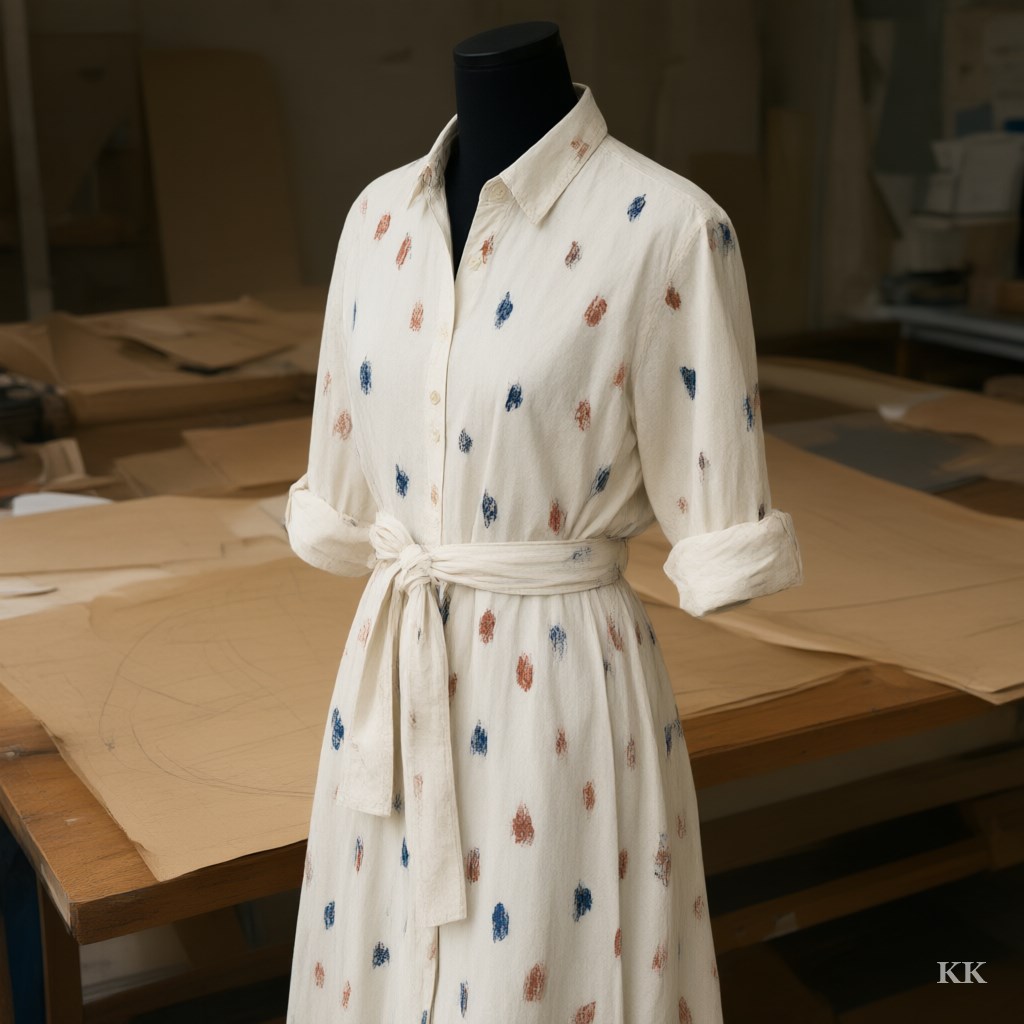
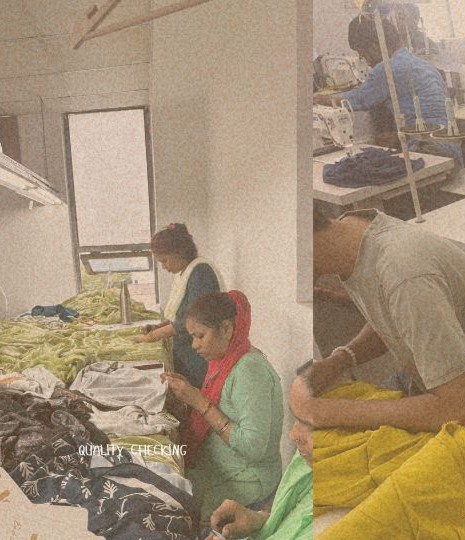
Once the shade band is approved, the order moves through cutting, sewing, quality control, packing and shipping. Every handover is a place where responsibility can slip, which is why it helps when fabric and sewing happen in the same country. It matters at the border, too. Under US origin rules, a sewn garment comes from the country where it was wholly assembled (19 CFR 102.21). Indian fabric sewn into dresses in another country doesn’t make them “Made in India”, and the label can’t say so.
Every garment needs a label showing fibre content by percentage, the country of origin, and your company name or RN (a registration number the FTC issues to US businesses) (FTC). It also needs permanent care instructions that you have a reasonable basis for (FTC Care Labeling Rule). The wash tests from step 4 are that basis.
Then the cartons have to clear customs. Since 24 July 2026, Indian goods have paid their normal US duty plus an extra 10%, and apparel is not exempt (USTR). The duty-free allowance for small parcels is gone indefinitely, so even a courier box of samples pays (Federal Register). Ocean freight needs an Importer Security Filing at least 24 hours before the cargo is loaded in India (19 CFR 149.2). Shipments worth more than $2,500 generally need a formal customs entry (19 CFR 143.21). On the water, Maersk moved its India–US East Coast service back through the Red Sea in July, which it says saves about a week on westbound sailings (Maersk). That can change again if security does.
What two Indian garments pay at the US border
Normal US duty plus the 10% added on 24 July 2026, on the declared value of one piece
Women’s cotton dress HTS 6204.42.30 · $25.00 value
18.4% = $4.60 duty
Men’s woven cotton shirt HTS 6205.20.20 · $15.00 value
29.7% = $4.46 duty
How to Make Indian Textiles Feel Contemporary for the US Market
Let the fabric carry the heritage and keep the cut modern: a block print on an oversized shirt, ikat on a short jacket. The craft post covers which techniques suit which products.
Tell the story only as far as your paperwork goes. “Hand block-printed in Rajasthan” is a good product line if you can name the workshop. And learn what a motif means before you put it on a hoodie, because some carry religious or community meaning.
How Krazy Kreators Helps US Brands Turn Indian Textiles Into Finished Collections
Each of the five stages above is something Krazy Kreators runs for US founders in one place. That covers design support and tech packs, fabric sourcing, sampling, production, quality control, packaging and dispatch to the US. The team that picks your fabric is the team that signs off the finished garment.
For Tilted Lotus, that started with research into South Asian motifs, colour and textile technique before any sketching. The result was a contemporary Western collection that kept the cultural references intact.
Sourcing Indian textiles?
Looking to source Indian textiles and turn your ideas into a production-ready fashion collection? Talk to Krazy Kreators about your next clothing line.
Frequently Asked Questions
How can US clothing brands source Indian textiles?
In five stages: a written fabric spec, a checked supplier, approved samples, lab tests, then production and US entry. Each stage ends with a document you can hold, from the spec sheet to the customs paperwork.
What are the best Indian fabrics for fashion brands?
It depends on the garment. Handloom cotton and khadi suit relaxed shirts and dresses, block prints suit resortwear, ikat suits statement pieces, and Chanderi and silk suit occasion wear.
Is India good for small-batch clothing production?
Often, yes, because hand-woven and hand-printed cloth is made in short runs anyway. Minimums still vary, so ask per style and per colour before you pay for sampling.
How do I find a reliable Indian textile manufacturer?
Start with the Handloom and Apparel Export Promotion Councils, a trade fair or a founder referral. Then ask for the proof behind each claim, and notice how quickly they reply.
Can Indian textile manufacturers produce custom fabrics?
Yes. Colour is matched through lab dips, your print is tested as a strike-off, and weight and weave can change. Agree in writing how much handmade cloth may vary.
What should US brands check before sourcing fabric from India?
Whether the supplier makes the fabric itself, proof behind any handloom, GI or organic claim, and where the cotton came from. Before bulk, test washing, shrinkage, rub-off and strength.
Can I source Indian textiles and manufacture finished garments in India?
Yes, and one team then answers for the result. A garment wholly assembled in India can be labelled Made in India, and it pays its normal US duty plus 10%.
Conclusion

The cloth is the reason to source from India. The five stages are what get it onto a US rail looking like the swatch. Which of them would you rather hand to someone else?
About Krazy Kreators
Krazy Kreators is the end-to-end brand-building partner for US clothing founders — design, sampling, fabric sourcing and retail-grade production, and packaging, under one roof, from first sketch to shelf. krazykreators.com
Read next
6 min read
Indian Textile Art Meets Modern Fashion: What US Brands Can Create With Indian Craftsmanship
Six crafts, what each suits in a modern collection, and where each gets difficult.
11 min read
Beyond China: Why More Fashion Brands Are Sourcing From India in 2026
The duty and cost-sheet side of choosing India over Vietnam or China.
12 min read
What Is a Tech Pack? The File Your Factory Builds From
Where your fabric spec ends up, alongside every other instruction.
Comments
No comments yet
Be the first to share your thoughts!