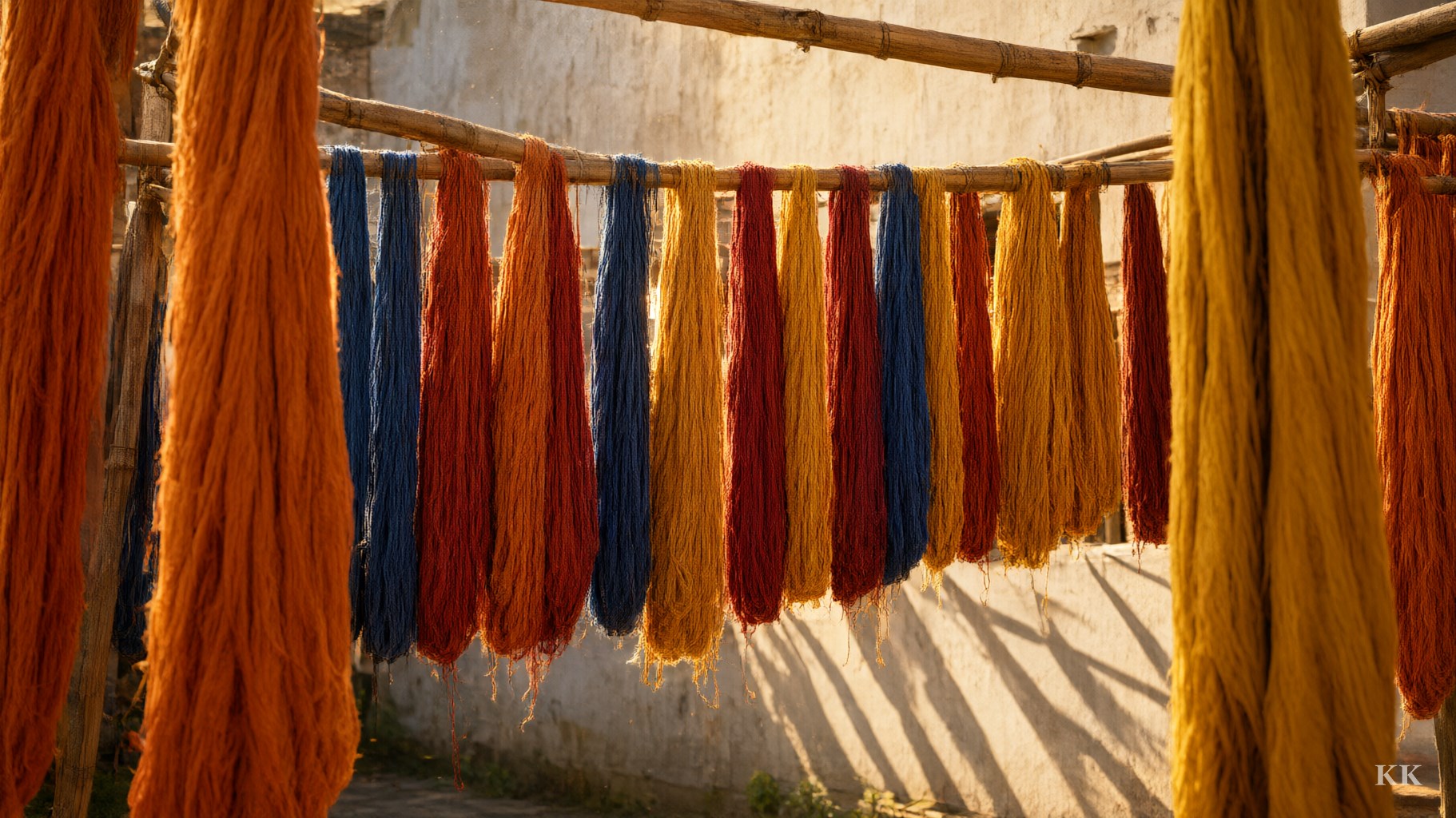
Hold a length of Chanderi up to a window and you can see your hand through it. A hand block-printed cotton shows the faint overlaps where the printer lifted the wooden block and set it down again. You can’t get either from a rotary print line, which is why designers who want a collection that looks like nobody else’s keep asking Indian mills for swatches.
This is not a story about more brands buying from India. US clothing imports from India fell 25.8% to $2.45 billion in the first seven months of 2026, after a year of tariff swings (OTEXA data via The Daily Star). Most of that drop is big retailers buying basics by the container. What India offers a smaller label choosing its next fabric is a separate question, and it is the one this piece answers.
India is the world’s sixth-largest exporter of textiles and apparel, with about 4% of world exports (PIB, March 2026). It also still weaves by hand. The last national census counted 35.22 lakh, roughly 3.5 million, handloom weavers and allied workers (Ministry of Textiles via PIB). Modern mills and a living craft sector in the same supply base is the real reason to look.
India’s textile base, in four numbers
6th
largest exporter of textiles and apparel in the world
PIB, Mar 2026
~4%
share of world textile and apparel exports
PIB, Mar 2026
3.52M
handloom weavers and allied workers (35.22 lakh)
Handloom Census 2019-20
27.8%
of the world's GOTS-certified facilities, more than any other country
GOTS, 2025
Why Are US Fashion Brands Looking at India for Textile Sourcing?
Textile sourcing in India appeals for practical reasons. The fabric range runs from mill-made jersey to hand-woven silk, sometimes within one state, and most mills and garment units will change a colour, a print or a weave for you.
Duty is also less of an obstacle than it was in 2025. Since 24 July 2026, Indian goods pay the normal US rate plus a 10% Section 301 duty, the lower of the two new tiers (USTR). Our tariff tracker has the full rates by country.
1. Access to a Wide Variety of Indian Textiles
Popular Indian Textiles for Modern Fashion
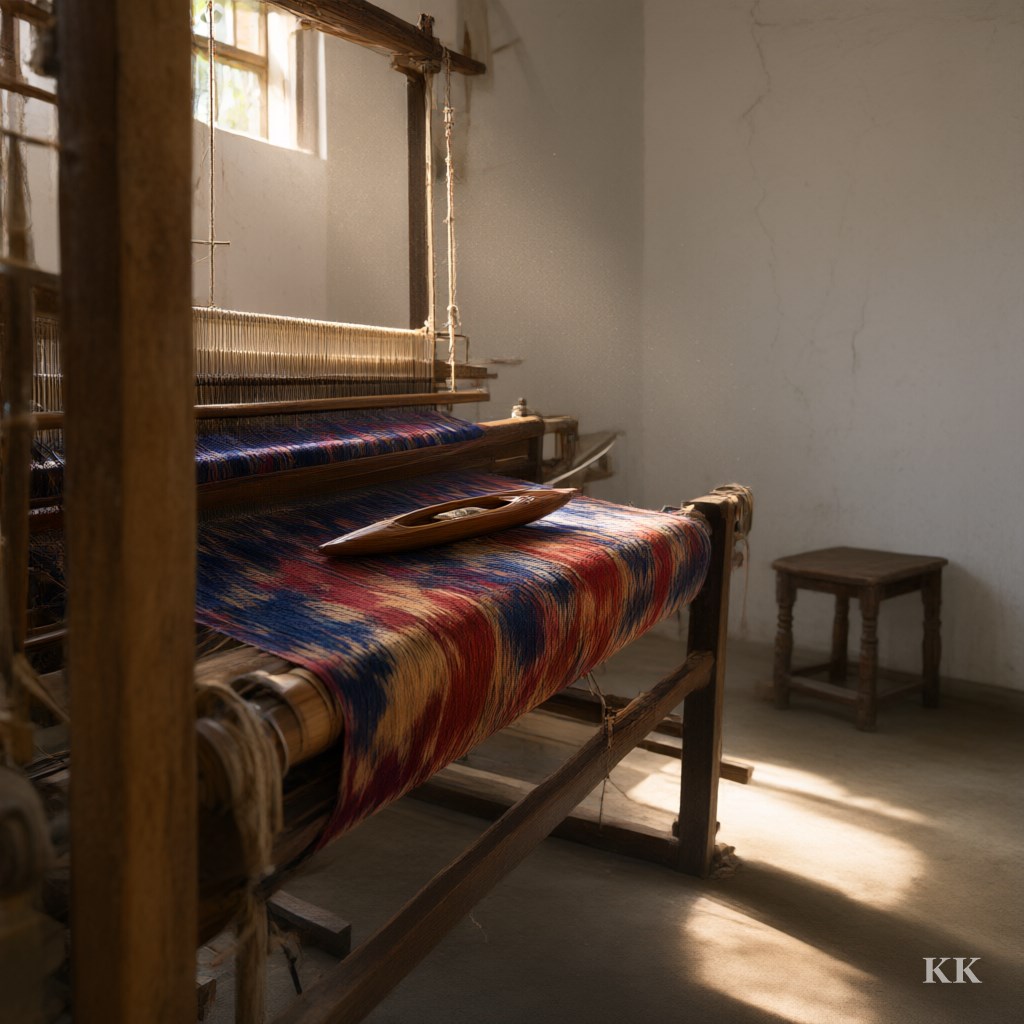
Most founders know Indian cotton. Fewer have worked with the hand-woven cloth, and that is where a collection starts to look different. Chanderi from Madhya Pradesh and Pochampally ikat from Telangana are both protected Geographical Indications, India’s legal mark for products tied to a place (PIB).
The four handloom fabrics below are easiest to tell apart up close.
Indian textiles, up close
Four handloom fabrics, what each one is, and where it earns a place on a US line sheet
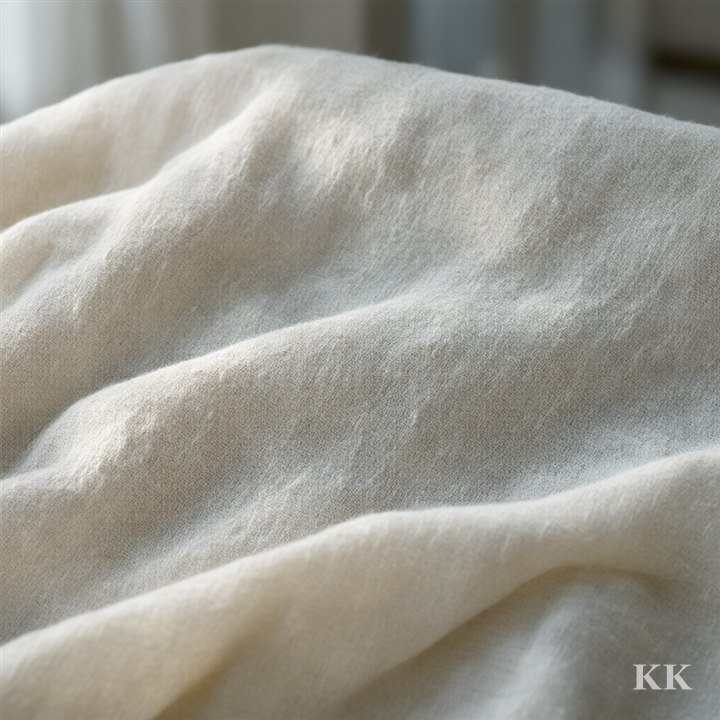
Khadi
Cotton spun and woven by hand. The threads vary in thickness, so the cloth feels dry and slightly uneven, and it breathes.
Use it for
Summer shirts, relaxed trousers
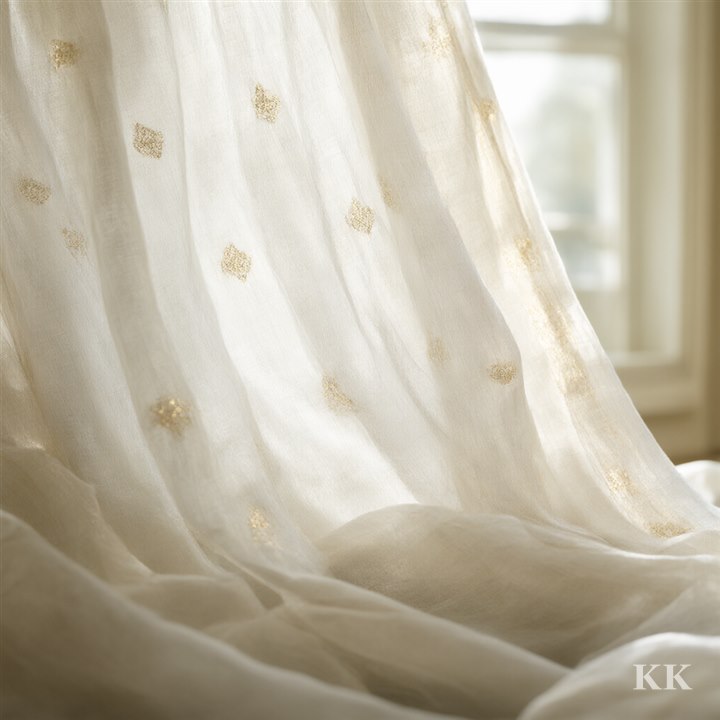
Chanderi
Sheer silk-cotton from Madhya Pradesh, light enough to see through, often with small gold zari motifs woven in.
Use it for
Evening tops, overlays, resortwear
Ikat
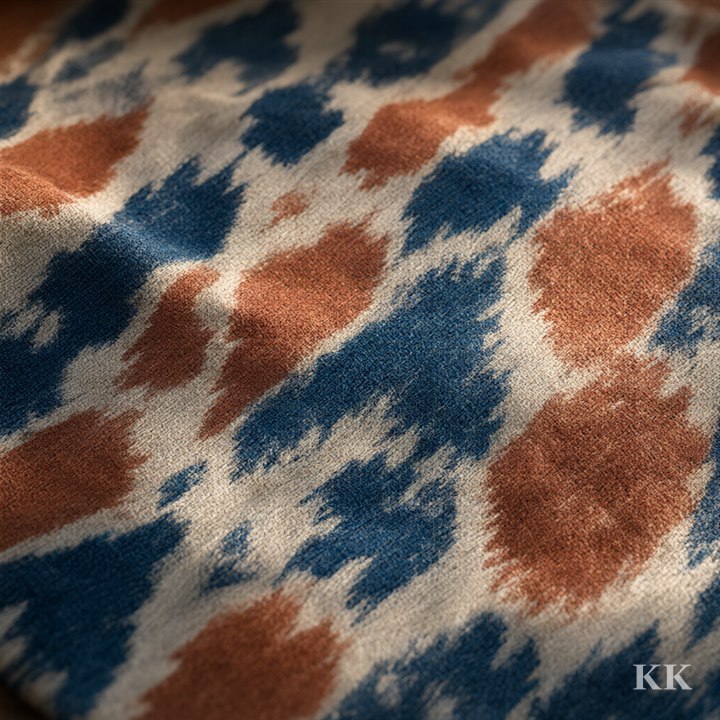
The yarn is tie-dyed before it goes on the loom, so the pattern edges come out feathered rather than crisp.
Use it for
Statement shirts, light jackets
Block print
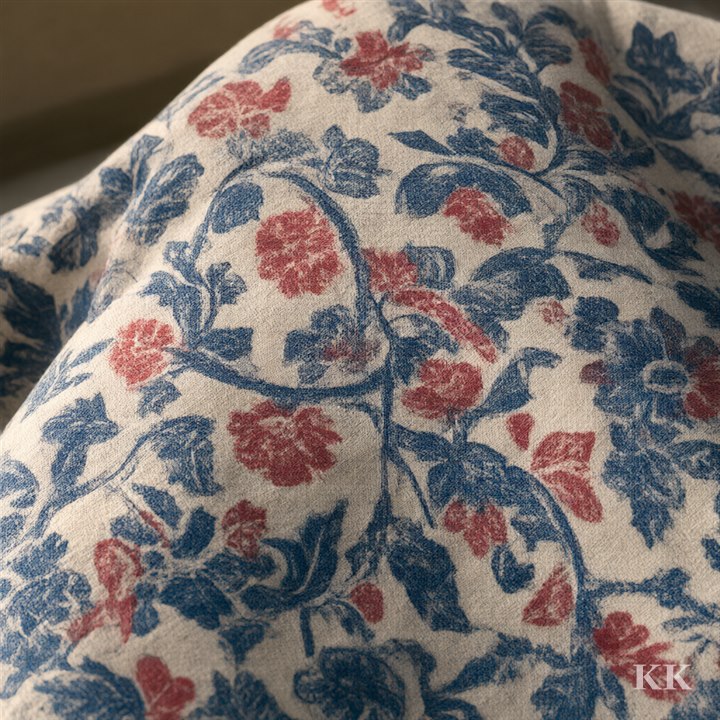
Pattern stamped by hand with carved wooden blocks. Look closely and you can see where each block was set down.
Use it for
Dresses, loungewear, scarves
Also in the range
Cotton
Mill-woven poplin, voile and twill, plus knit jersey.
For: Tees, shirting, dresses
Silk
Smooth mulberry silk or textured, slubby tussar.
For: Slip dresses, luxury tops
Linen blends
Linen with cotton for less crease and a softer hand.
For: Resort sets, overshirts
Handloom
Any cloth woven on a hand-operated loom, usually in short runs.
For: Limited capsules, hero pieces
2. Traditional Indian Craftsmanship Meets Modern Fashion
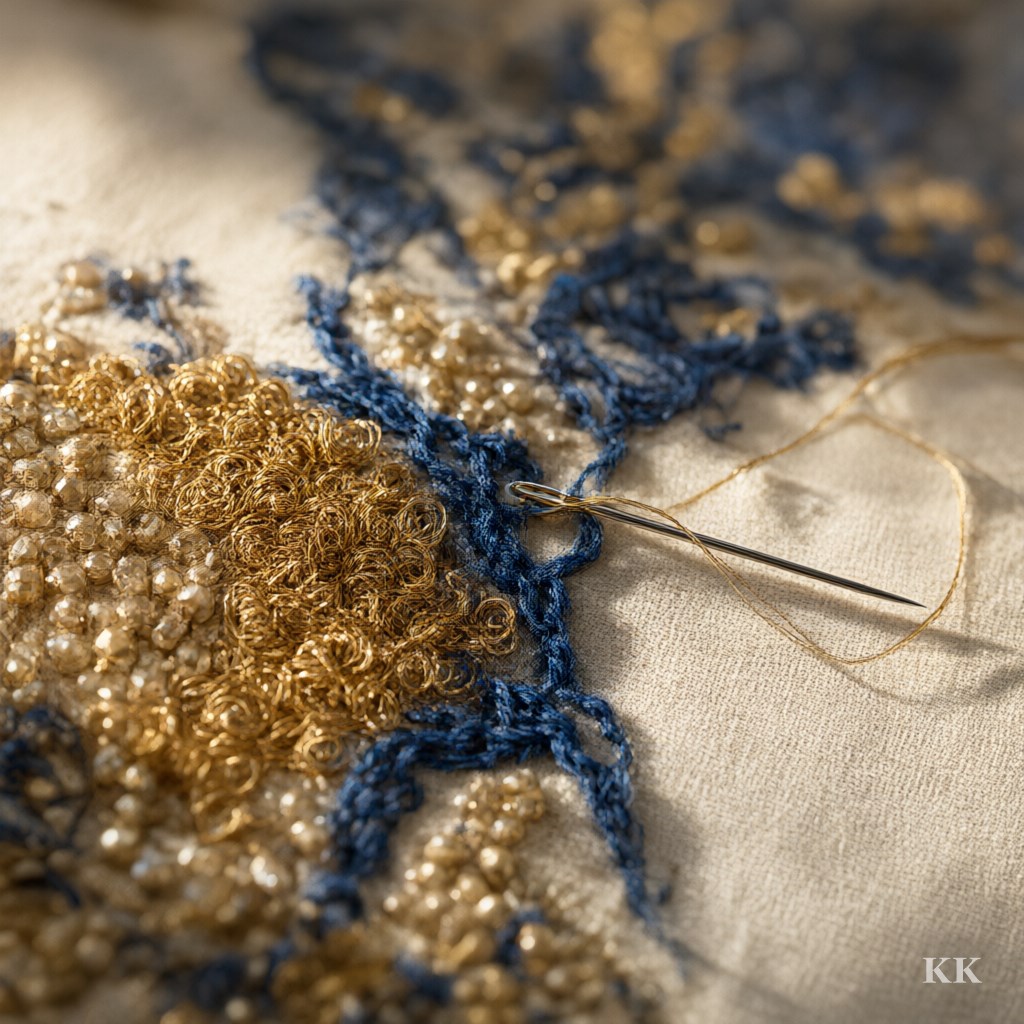
Indian weaving, embroidery and printing are still done for paying customers every week. Embroiderers work zardozi (raised metallic-thread embroidery) and aari (fine chain stitch made with a hooked needle). Printers carve their own blocks. The trick is to use the technique on a new shape: a block print scaled up and run in one colour, or a single hand-embroidered panel on an otherwise plain jacket.
How US Designers Can Use Indian Craftsmanship
Heritage doesn’t have to mean traditional clothing. Ikat and block prints suit resortwear and loungewear. Chanderi or cotton voile with an embroidered yoke makes a dress that sells on detail. Streetwear can carry a kantha-quilted (running-stitch quilting from Bengal) overshirt, and luxury lines can put zardozi on a silk shirt or a cropped jacket.
Hand work does bring variation. Two block-printed dresses from the same order won’t match exactly. If a style needs a perfect repeat across a large run, print it by machine and keep the hand work for a smaller capsule.
“What a US designer takes from Indian craft is the technique, not the costume.”
3. Customization for US Fashion Brands
The fabric weight and weave can change. So can the dye shade, matched to your colour reference, and the print, redrawn at your scale. Embroidery placement, seam construction and the final wash or finish are all yours to specify. All of it goes into a tech pack (the specification file the factory builds from).
Why Custom Manufacturing Matters for Fashion Startups
A young brand’s pitch to a buyer is that its product isn’t already on the next rail. Custom clothing manufacturing in India lets you own a print or a fabric a competitor can’t order from the same catalogue.
4. Flexible Manufacturing and Small-Batch Production
Emerging brands rarely know which style will sell. Ordering deep on one design is how a first collection ends up on the sale rail. What you want from Indian clothing manufacturers is the willingness to run small and then scale the styles that work.
From Prototype to Production
A sample shows you how a hand-woven fabric really drapes, whether a print holds its colour through a wash, and whether the fit works, all before you’ve paid for production. Our production timeline lays out the full calendar.
Free download
The Indian Textile Sourcing Brief
A one-page sheet to send with your first fabric request: the eight fabrics above with their usual widths and handle, the questions to ask about each, and a blank column for swatch notes.
5. Sustainability and Responsible Textile Sourcing
Sustainable Indian textiles are a real story, and an easy one to overstate. India has more GOTS-certified facilities than any other country, 27.8% of the 17,800 worldwide in 2025 (GOTS Annual Report 2025). GOTS, the Global Organic Textile Standard, certifies organic fibre through spinning, dyeing and sewing. A handloom also runs without power.
None of that makes a given fabric sustainable. Hand-woven doesn’t mean organic, natural fibre doesn’t mean low-impact, and the dye house can matter as much as the loom.
What Brands Should Verify Before Making Sustainability Claims
The FTC’s Green Guides tell US marketers not to make broad, unqualified claims like “eco-friendly” (FTC), and the EU’s rules are now stricter (our explainer). Before a word goes on a hangtag, have these on file:
- The fabric certificate, and a transaction certificate for your batch
- Where the fibre and the cloth came from
- How it was dyed and finished, and in what conditions
- How the unit handles waste and wastewater
- Supplier documents you hold yourself, not just a promise on an invoice
6. India Offers End-to-End Fashion Manufacturing
You can buy fabric in India and sew somewhere else. Then you’re the one shipping rolls between countries and chasing a shade match between two companies, and when the shirts shrink, nobody agrees whose fault it was. Fashion manufacturing in India with an end-to-end partner puts the whole chain with one team, so one team answers for the result.
What Can an End-to-End Manufacturer Handle?
The trade-off is choice. With one partner you work from its mills and units, rather than picking the best supplier for each step yourself.
7. Indian Textiles Can Help Build a Stronger Fashion Brand Story
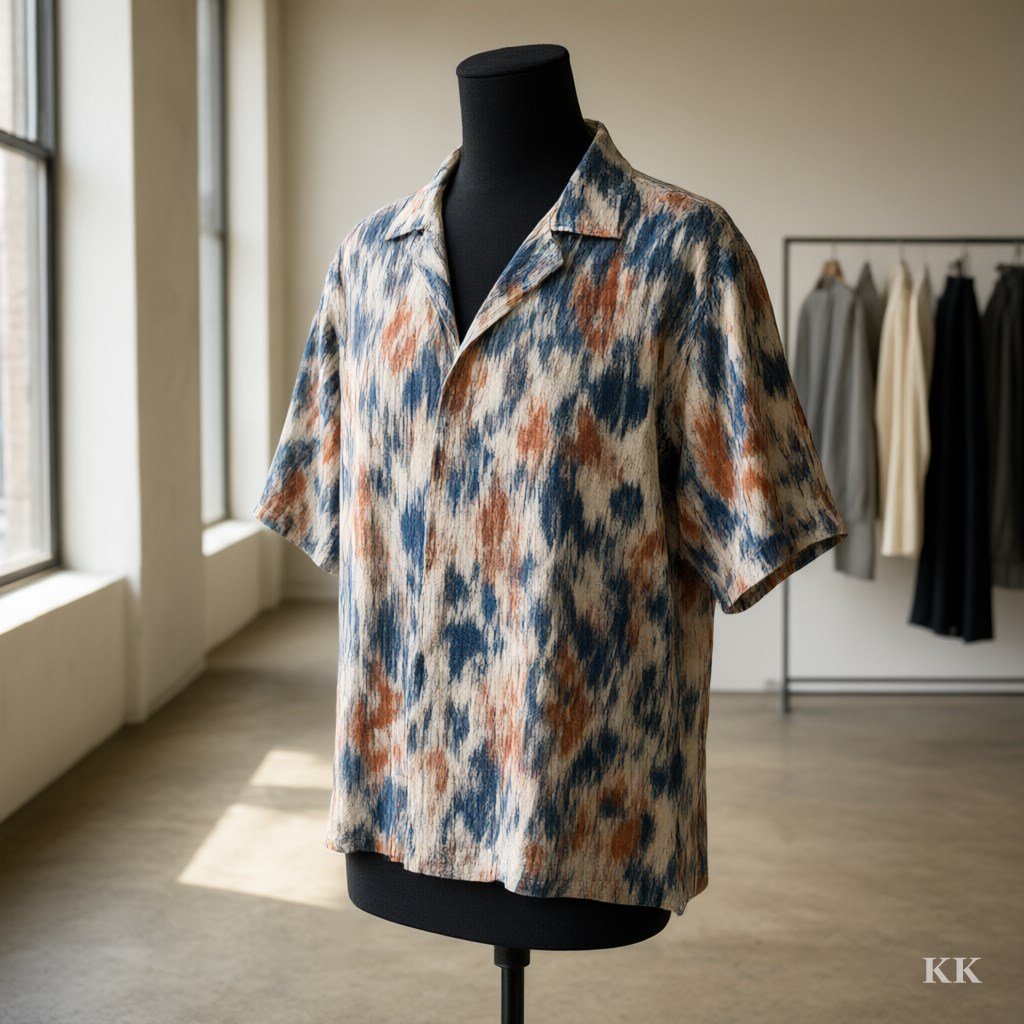
A fabric with a place and a process behind it gives you something true to say. “Ikat hand-woven in Telangana, the yarn dyed before it reached the loom” is a product description people remember, and it holds up if a customer asks.
Why Product Storytelling Matters for US Fashion Brands
The same facts work on your website, in product descriptions and social posts, in a campaign shoot, and in how you pitch a stockist. Keep them accurate. If the cloth is mill-made with a hand-finished print, say that rather than “handmade”. People who buy for craft do check.
8. What Should US Fashion Brands Check Before Choosing an Indian Manufacturer?
Get answers to these in writing before the first sample. A manufacturer who is slow to answer now will be slow in production too. If GSM is new to you, our GSM guide covers it.
The Indian manufacturer checklist
Six areas to cover before you approve a first sample
Fabric quality
- Fibre composition, in writing
- GSM (fabric weight, grams per square metre)
- Durability after washing
- Colourfastness (how well dye resists fading and bleeding)
Sampling & prototyping
- Who develops the sample
- How many revision rounds
- A written approval step before production
MOQ & capacity
- Minimum order quantity per style and colour
- Whether they run small batches
- Room to scale a style that sells
Quality control
- Inspection during production
- Final checks before packing
Communication
- One named contact
- Regular updates without chasing
- Dates held, or flagged early
International shipping
- Packaging spec
- Dispatch and paperwork
- Realistic delivery timelines
9. Why US Fashion Brands Can Partner With Krazy Kreators
Krazy Kreators is that single partner for US clothing founders, with textile sourcing and manufacturing in India and delivery to your door. What matters for this topic is that the people who choose your khadi or ikat also sign off the finished piece, so a fabric problem gets caught before it becomes a garment problem. Our case studies show work for other brands.
Planning your next collection?
Looking for an Indian textile and clothing manufacturing partner for your US fashion brand? Talk to Krazy Kreators about your next collection.
Frequently Asked Questions
Why are US fashion brands sourcing textiles from India?
For range and craft more than price. India is the sixth-largest textile and apparel exporter in the world and still has a large handloom sector, so one country can supply mill-made cotton, hand-woven silk, ikat and block prints. Since 24 July 2026 Indian goods pay the normal US duty plus a 10% Section 301 duty, the lower of the two new tiers.
What types of Indian textiles can US fashion brands source?
Cotton in woven and knit forms, khadi, Chanderi, ikat, mulberry and tussar silk, linen blends, handloom fabrics and hand block-printed cloth, along with embroidery such as zardozi and aari work. Most of these can be cut into contemporary silhouettes rather than traditional dress.
Can Indian manufacturers produce custom clothing for US brands?
Yes. Fabric, colour, print, embroidery, construction and finishing can all be specified in a tech pack and sampled before production. The tighter your tech pack, the fewer sample rounds you need.
Can US startups order small quantities from Indian manufacturers?
Many Indian manufacturers run small batches, though minimums vary by fabric and technique. Hand-woven and hand-printed cloth is often made in short runs anyway. Ask each manufacturer for the minimum per style and per colour before you commit.
How do I choose an Indian clothing manufacturer?
Check fabric quality (composition, GSM, durability, colourfastness), how sampling and approval work, minimum order quantity and capacity, quality control during and after production, how they communicate, and how they pack and ship to the US. Ask for it in writing before the first sample.
How does textile sourcing from India work?
It follows the seven steps in section 4. The bigger choice is whether you buy fabric only and arrange the sewing and shipping yourself, or use one partner for the whole chain.
Conclusion
India gives a US brand a wide fabric range, craft that still works for a living, room to customise, and factories that can start small and grow with you. None of it replaces checking the fabric and the paperwork yourself. If you were starting your next collection this month, which fabric would you want in your hands first?
Planning your next fashion collection? Explore Krazy Kreators for textile sourcing, product development and clothing manufacturing in India.
About Krazy Kreators
Krazy Kreators is the end-to-end brand-building partner for US clothing founders — design, sampling, fabric sourcing and retail-grade production, and packaging, under one roof, from first sketch to shelf. krazykreators.com
Read next
9 min read
The 'Made in India' Trend Reshaping American Luxury in 2026
How Indian craft moved from the souvenir shelf to the US luxury rail.
8 min read
Sustainability Simplified: Organic Cotton, GOTS, and Recycled Polyester
What the certificates in section 5 actually certify, fibre by fibre.
12 min read
What Is a Tech Pack? The File Your Factory Builds From
Where every customisation in this post has to be written down first.
Comments
No comments yet
Be the first to share your thoughts!