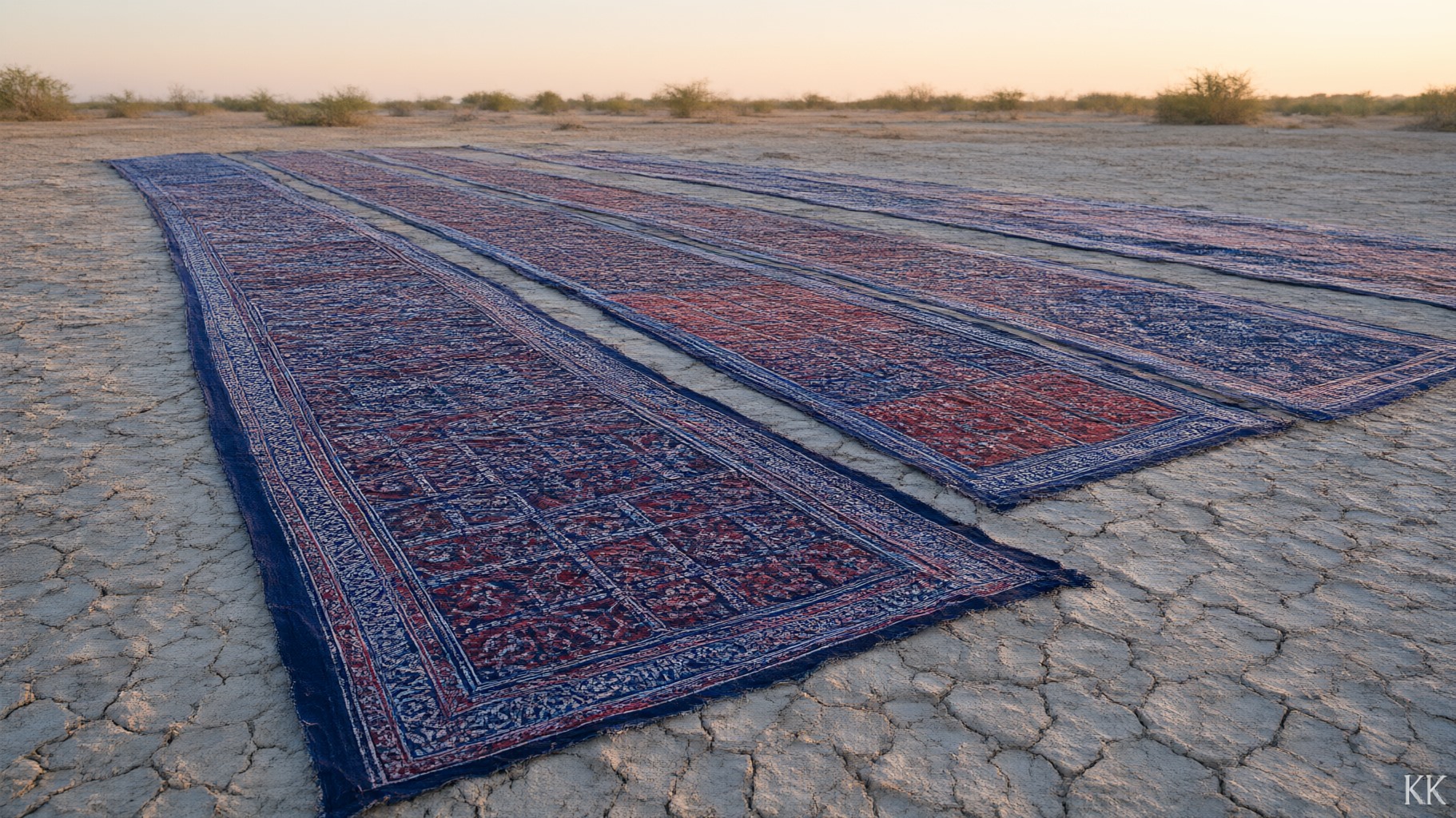
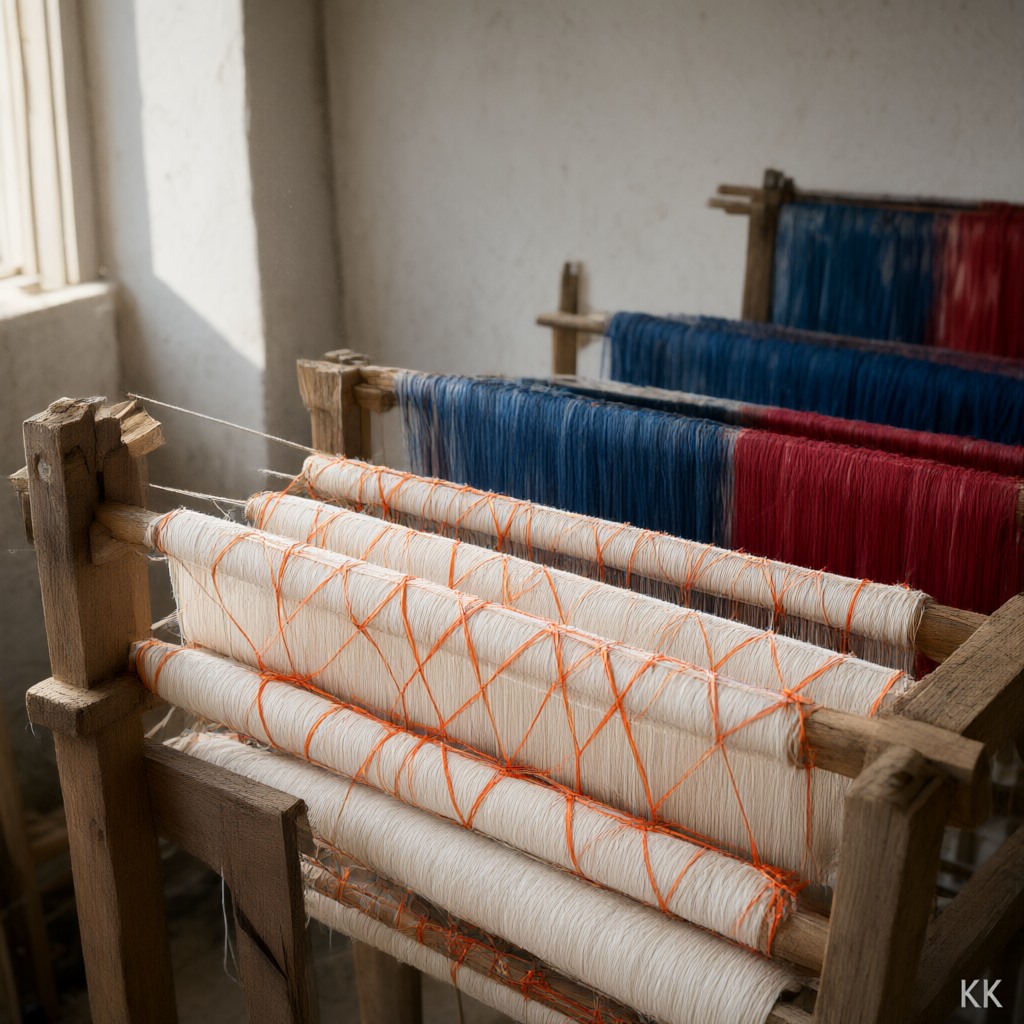
Alength of Ajrakh is printed, dyed, washed and printed again over several days before anyone can cut it. Ikat’s pattern is dyed into the yarn before the loom is even set up. For a US designer those two facts matter more than how either cloth looks, because they set your sampling calendar.
The calendar matters more this year. Trade policy and tariffs are the top business worry for US fashion companies in the 2026 USFIA Fashion Industry Benchmarking Study, and the response has changed. Companies are adding fewer countries and fewer vendors, and working more closely with the partners they keep.
So what follows covers seven Indian textile techniques, and for each one what it asks of production. The aim is a shortlist one capable partner can actually make.
The 2026 sourcing ledger
#1
business challenge for US fashion firms: trade policy and tariffs
USFIA 2026
4.0/5
India's vertical integration score, second only to China (4.8)
USFIA 2026
~1 in 3
surveyed firms plan to buy more from India over the next two years
USFIA 2026
10%
Section 301 duty tier for India since 24 July 2026, on top of normal duty
USTR via Greenberg Traurig
01The case
Why US Fashion Designers Are Looking at Indian Textile Craftsmanship
India is one of very few places where big mills and hand workshops share a supply base. In the USFIA survey India scored 4.0 out of 5 for vertical integration (fibre, fabric and garment made in one country), behind only China’s 4.8. In practice the block printer, the weaver and the sewing unit can sit a day’s drive apart, which is what makes a short custom run workable.
That matters to a small label. A print nobody else can order, or one hand-finished panel on a plain jacket, is how a new collection stands apart on a buyer’s rail.
02The swatch book
7 Indian Textile Techniques Every US Fashion Designer Should Know
Each page shows what the technique is, where it works in a US line, and the catch that shows up in your sampling calendar.
Hand block printing
Sanganer and Bagru, Rajasthan
Printers near Jaipur stamp cloth with carved wooden blocks, one block for each colour (National Portal of India).
Use it for: Shirts, dresses, resort wear, co-ords
The catch · Small misalignments between blocks are part of the look. No two pieces will match exactly.
Chikankari
Lucknow, Uttar Pradesh
White-on-white embroidery on fine cotton or georgette, with shadow stitches showing through from behind. It reads as quiet luxury.
Use it for: Blouses, slip dresses, occasion wear
The catch · Every motif is stitched by hand, so the embroidery sets your lead time, not the sewing.
Ajrakh
Kutch, Gujarat
Geometric prints in indigo and madder red, built up through rounds of resist printing, dyeing and washing.
Use it for: Shirts, unstructured jackets
The catch · The longest process of the seven, and the colour moves from batch to batch.
Ikat
Telangana, Odisha, Gujarat
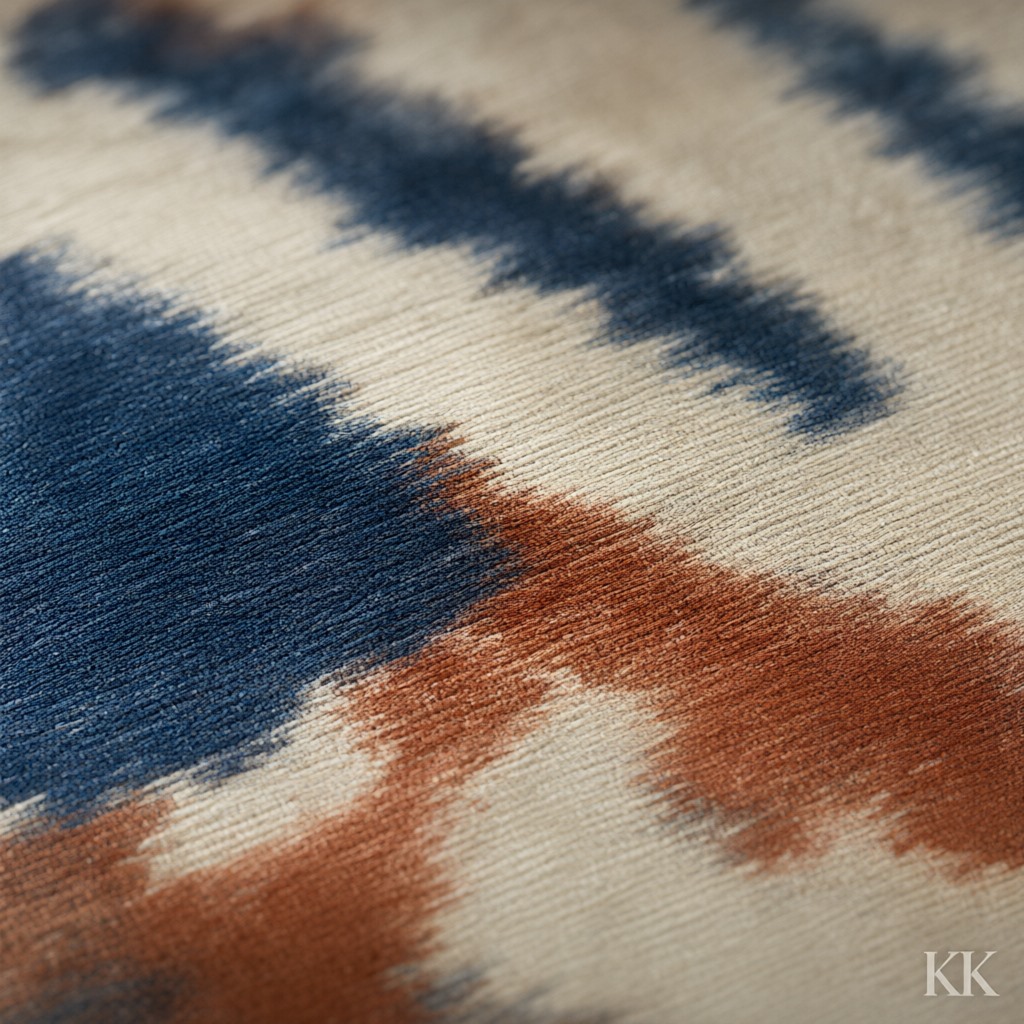
The yarn is tied and dyed before weaving, which gives ikat its feathered edges. Pochampally and Sambalpuri ikat are protected Geographical Indications (PIB).
Use it for: Statement shirts, resort dresses
The catch · The pattern is fixed before the loom is threaded. Approve colour early, because nothing changes after dyeing.
Kantha
West Bengal
Rows of running stitch, often through layered cotton, giving a rippled, quilted surface.
Use it for: Overshirts, jackets, accessories
The catch · Layering adds weight and stiffness. Sample the drape before you commit to a shape.
Handloom
Across India
Cloth woven on a hand-operated loom, with slubs and an uneven beat that mill fabric doesn’t have.
Use it for: Premium basics, small capsules
The catch · Widths are often narrower than mill cloth, which changes how many garments you cut from a metre.
Natural dyeing
Across India
Indigo, madder, turmeric, pomegranate rind. Designers like the depth and the soft variation. The FTC’s Green Guides still warn against broad terms like “eco-friendly”.
Use it for: Natural-colour capsules, knits, shirting
The catch · Some natural colours fade fast in light. Get wash and light fastness results before you sell it.
The technique map
Where each technique sits on lead-time pressure and batch-to-batch colour variation. Machine print is shown for comparison.
Colour variation →
High
Medium
Low
Low
Medium
High
Lead-time pressure →
Hand block printing: test wash fastness, print alignment
Chikankari: test tracing-ink washout, shrinkage
Ajrakh: test wash and rub fastness
Ikat: test colour approved before dyeing
Kantha: test weight and drape after stitching
Handloom: test width, shrinkage, slubs
Natural dyeing: test light and wash fastness
Need an identical repeat across a big run, or the same shade on reorder? Print it by machine and keep hand work for a capsule.
03The method
How US Fashion Brands Can Turn Indian Textile Techniques Into Modern Collections
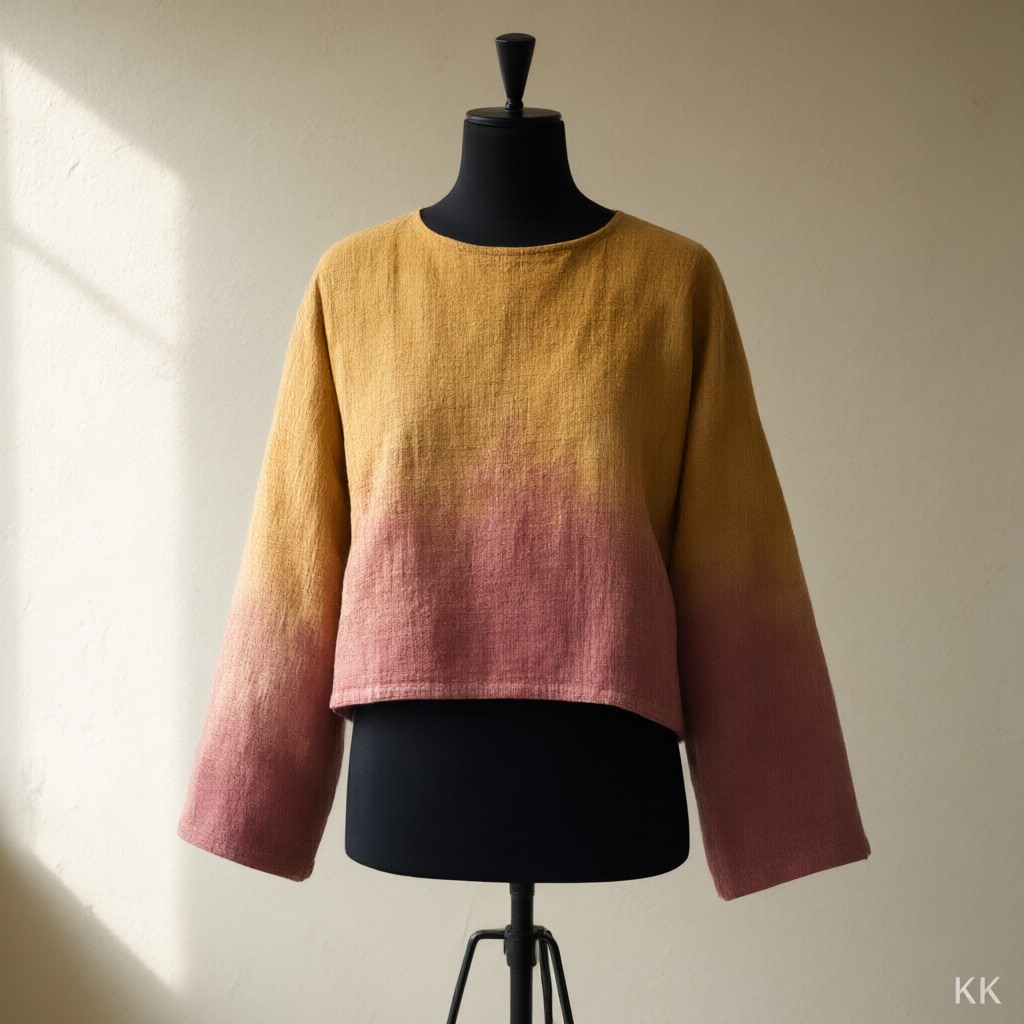
Use the technique on a new shape, not the traditional garment. Scale a block motif up and run it in one colour. Put Chikankari on one yoke rather than the whole dress.
Choose the base fabric’s weight for a US climate and a US fit (our GSM guide covers this), write all of it into your tech pack, and ask for a strike-off (a test print or weave on the real fabric) before any sample is sewn.
The thread, concept to shipping
Eight steps. Testing is the gate before you pay for a production run.
- 1
Design concept
Sketch, mood, tech pack
- 2
Textile selection
Pick 1-2 techniques
- 3
Fabric sourcing
Base cloth, strike-off
- 4
Sampling
First real garment
- 5
Fit & testingGate
Fit, wash, colour
- 6
Production
The approved run
- 7
Quality control
In-line + final
- 8
Shipping
Packed for the US
Steps 2 to 5 can repeat. On a hand technique, plan for more than one sample round.
Our production timeline puts dates against each step.
04The context
Indian Textiles + 2026 US Fashion Sourcing Trends
Tariff uncertainty is changing sourcing decisions
In the first four months of 2026, the average duty on US clothing imports from India was 37.8%, according to USFIA’s reading of USITC data. Since 24 July India has sat in the lower 10% tier of the new Section 301 duty, which is added to the normal rate (Greenberg Traurig). Lower isn’t cheapest, though. The same survey rated India less competitive on cost than China or Bangladesh. Our tariff tracker has rates by country.
“Lower number of vendors to stabilize lead time and cost.”
A respondent to the 2026 USFIA Benchmarking Study
Supply-chain diversification
The big brands are not abandoning diversification. They are going narrower. About a third of USFIA respondents plan to buy more from India, the same share as for Vietnam and Pakistan. But fewer plan to add new countries or vendors than in 2025. For a smaller label the lesson carries over: one partner who can run three techniques beats three workshops you manage yourself.
Sustainability is becoming a sourcing consideration
Buyers ask where fibre came from and how it was dyed. Hold the certificates and test reports yourself. If you sell into Europe too, the rules are stricter (our EU explainer).
05The spec sheet
What US Fashion Designers Should Check Before Sourcing From India
Get these answers in writing before you approve a first sample.
Sourcing spec sheet · India
Style ____ · Technique ____ · Supplier ____
Fabric quality
Composition and GSM in writing
MOQ
Minimum per style and per colour
Sampling capability
Who makes it, how many rounds
Customization
Your colours, scale and placement
Production capacity
Room to reorder what sells
Quality control
During the run, not only after
Lead time
Dated, per technique
Compliance
Labels, fibre content, origin
Colourfastness testing
Wash, light and rub results
Packaging
Folding, bagging, carton spec
Shipping and logistics
Who books it, who clears it
Total landed cost
Price + duty + freight + fees
Our first-time buyer’s checklist covers the export paperwork.
06The match
Which Indian Textile Technique Is Right for Your Collection?
Start from what the collection needs, not from the technique you like best.
Resort wear
Luxury and occasion wear
Contemporary prints
Premium textured garments
Artisan-inspired pieces
Natural-colour concepts
07The partner
Why Choosing the Right Indian Manufacturing Partner Matters
Split the work across a printer, a weaver and a sewing unit and you become the one matching shades between them. When a shirt shrinks, nobody owns it. A partner who sources the textile, develops the design, samples it, makes it, checks it and ships it answers for the result, and understands what a US buyer will reject.
That is how Krazy Kreators works with US clothing founders: textile sourcing, design development, sampling, production, quality control and shipping, run by one team.
Planning your next fashion collection?
Looking for Indian textile sourcing, custom apparel manufacturing, sampling or production support for your US fashion brand? Talk to Krazy Kreators about your collection.
Frequently Asked Questions
What Indian textile techniques are popular with fashion designers?
Seven come up most often: hand block printing, Chikankari embroidery, Ajrakh resist printing, ikat weaving, Kantha running-stitch embroidery, handloom weaving and natural dyeing. Designers usually use them on contemporary shapes such as camp shirts, co-ords, overshirts and slip dresses rather than on traditional dress.
Are Indian textiles cheaper to source than China in 2026?
Not automatically. Since 24 July 2026 Indian goods pay the normal US duty plus a 10% Section 301 duty, the lower of the two new tiers. But in the 2026 USFIA Benchmarking Study, US fashion companies rated India less competitive on sourcing cost than China or Bangladesh. Compare landed cost, not the fabric price.
Which Indian textile technique has the longest lead time?
Usually Ajrakh and ikat. Ajrakh is printed, dyed and washed in repeated stages over days, and ikat's pattern is dyed into the yarn before weaving starts, so colour has to be approved before the loom is set up. Hand embroidery such as Chikankari is also slow, because every piece is stitched by hand.
Can I call naturally dyed Indian fabric eco-friendly?
Not as a blanket claim. The FTC's Green Guides warn US marketers against broad, unqualified environmental claims. Say what is true and specific, such as "dyed with indigo", keep the supplier's documents on file, and get wash and light colourfastness test results before you sell it.
How do I start sourcing Indian textiles for my clothing brand?
Start with a tech pack and a shortlist of one or two techniques. Ask for a strike-off (a test print or weave on the real fabric) and a sample, test it for colourfastness and shrinkage, and agree minimums, lead time and landed cost in writing before you approve production.
Final Thoughts
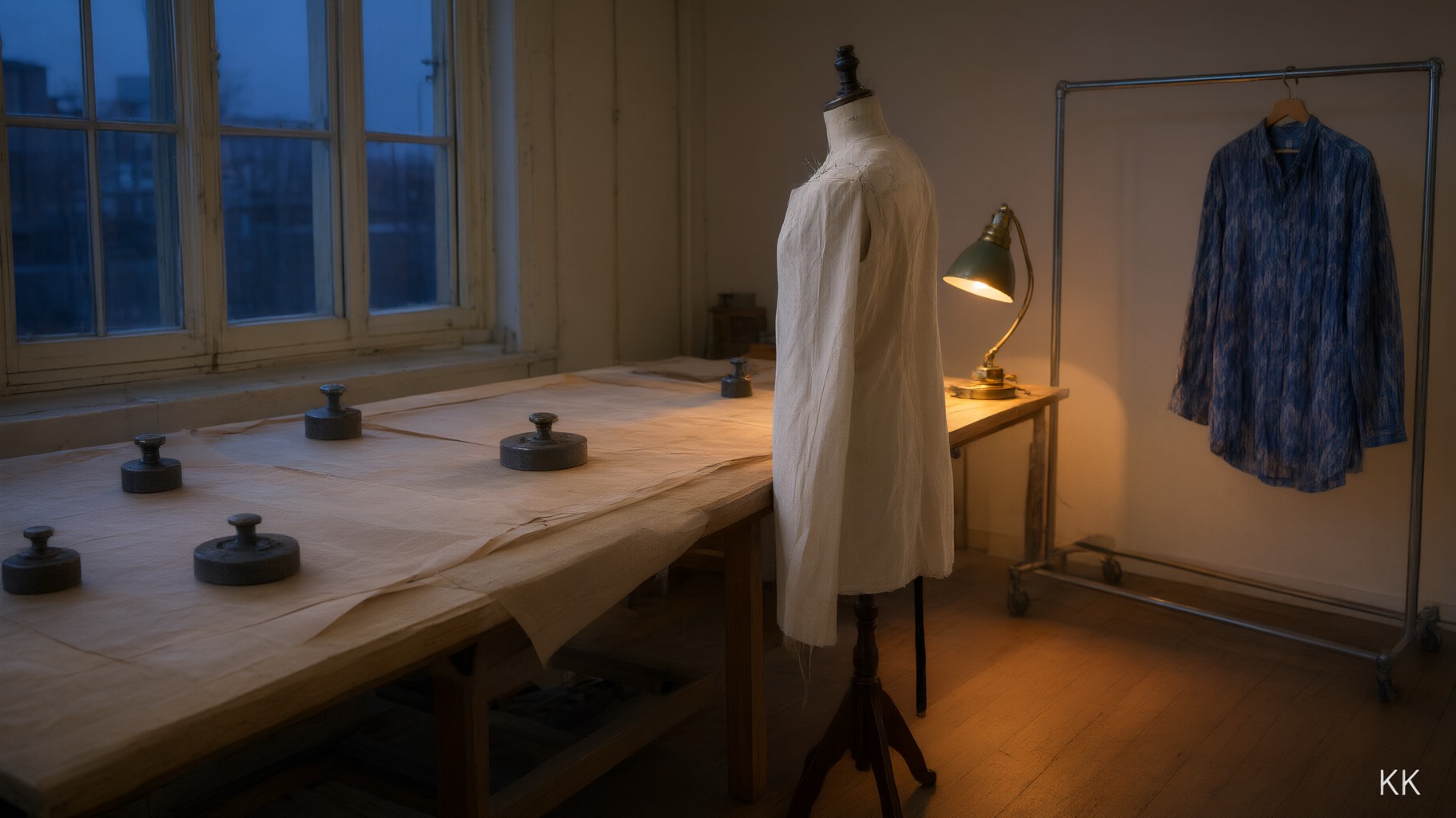
A beautiful fabric is half the decision. The other half is whether someone can sample it, test it, repeat it and land it at a cost your price can carry. If we were in your shoes, we’d pick one technique, write a tight production brief and ask for a strike-off this month. Which technique would you sample first?
About Krazy Kreators
Krazy Kreators is the end-to-end brand-building partner for US clothing founders — design, sampling, fabric sourcing and retail-grade production, and packaging, under one roof, from first sketch to shelf. krazykreators.com
Read next
9 min read
The 'Made in India' Trend Reshaping American Luxury in 2026
How Indian craft moved from the souvenir shelf to the US luxury rail.
11 min read
From Sketch to Store: A Real Clothing Production Timeline
The dates behind the eight steps in this post.
11 min read
Exporting Apparel from India: A Checklist for First-Time Buyers
The paperwork side of sourcing clothing from India.
Comments
No comments yet
Be the first to share your thoughts!