Ask American shoppers what they plan to buy this year and the answer is not a blazer. In Cotton Incorporated’s 2026 New Year survey of 891 US consumers, sweatpants, sweatshirts and joggers topped the list of clothing people tied to their resolutions, at 62%. T-shirts came next at 56%, then activewear at 55%.
It is one survey, from a cotton trade body, and it records intentions, not sales. It still matches what any founder can see: people dress for comfort first.
That is why we think a founder who wants to start a loungewear clothing brand is making a reasonable bet. The shapes are plain, one fabric becomes several products, and a small first drop tells you quickly whether anyone wants it. The traps are in the cloth and the fit.
Growing Consumer Preference for Comfort and Everyday Fashion
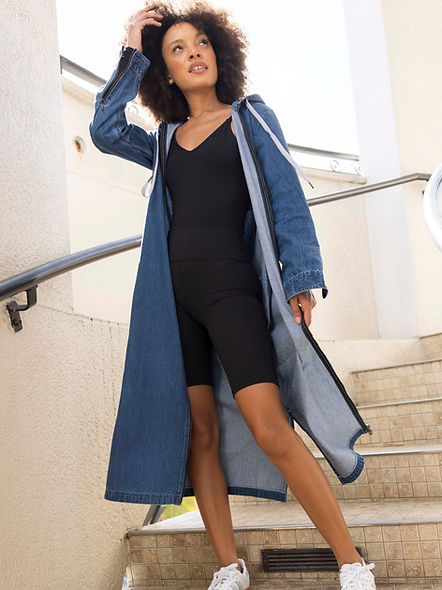
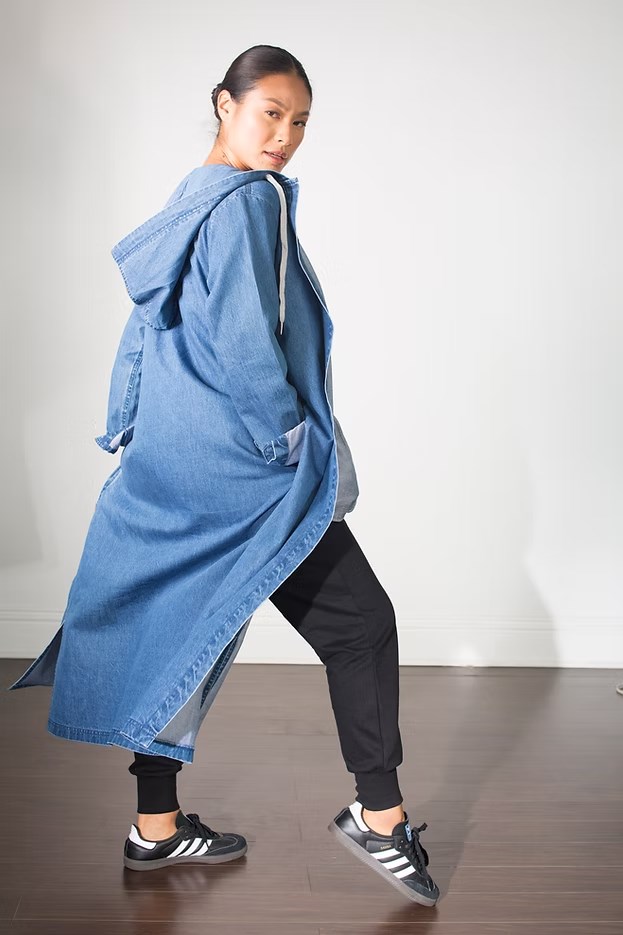
Comfort used to be what you gave up to look put together. For much everyday clothing that has flipped. The same sweatshirt now goes to the school gate, a video call from the kitchen table and an airport.
That wider use is the opening for a new brand. A lounge set bought for evenings in gets worn on Saturday errands, so it has to look decent in daylight and survive a weekly wash.
The catch: everyone can see this, and every large retailer sells a jogger. “Comfortable” is the entry ticket, not a position. You need a view on who the clothes are for.
Lower Entry Barriers for New Clothing Brands
A tailored jacket has a lining, interfacing and a collar that must roll correctly. A sweatshirt has a body, two sleeves, a neckband, two cuffs and a hem. A jogger is two legs, a waistband and elastic. Fewer pieces to pattern and sew means fewer arguments at the fit sample (the trial garment you check against your measurements).
Simple shapes also let you start small: a few styles in one fabric, then the colours and cuts people ask for.
“Simple to make is not the same as simple to make well.”
A plain sweatshirt shows every flaw: a rippling neckband, a twisting side seam, uneven sleeves. The barrier to trying is low. The standard you are judged on is not.
Multiple Product Opportunities Within One Category
One fabric can become a sweatshirt, a short, a jogger and a set, and each is another reason to buy again. The table sets out the six families new brands usually choose from.
Six loungewear families, and where each one slips
Typical fabric direction and the common fault to check at sampling
| Product | Fabric direction | Watch for |
|---|---|---|
| Matching lounge sets | Jersey, French terry or brushed knit, cut from one roll | Top and bottom drifting apart in colour or shrinkage |
| Oversized T-shirts | Heavier cotton jersey | A rippling neckline; length lost in the first wash |
| Shorts and joggers | French terry, fleece, light jersey | A waistband that rolls; drawcords and elastic that fail first |
| Sleepwear and pajama sets | Cotton or modal knit, woven cotton, flannel | Seams that chafe; children’s sizes carry federal flammability rules |
| Sweatshirts and hoodies | Fleece, French terry | Pilling; cuff and hem rib that stops springing back |
| Co-ord sets and casual homewear | Waffle, rib, light knits and weaves | Pieces dyed in different batches that no longer match |
Colour and print multiply this further: one jogger in four colours is four products to the customer and one pattern to the manufacturer.
Sleepwear deserves a flag. In the US, children’s sleepwear above 9 months and up to size 14 must pass a flame test or be cut snug and labelled as such. Adult pajamas fall outside those rules, so a kids’ version of the same print is a different product, as our post on family matching apparel explains.
Opportunities for Customisation and Brand Differentiation
Loungewear lets a small brand look different without inventing a new garment. There are four levers: print and colour; fabric weight and hand-feel; fit, such as a longer sleeve or a size range competitors skip; and trims, like a woven neck label or tonal embroidery.
Pick one or two. A brand known for one rib texture or colour palette is easier to remember than one with custom everything, and each custom element adds sampling time.
Know how private label clothing manufacturing differs from fully custom work before you brief anyone. The first adapts styles a manufacturer already makes. The second builds fit and fabric from your design.
Work through it with us
Got a loungewear idea you are still turning over?
Tell us the piece you would build first and the fabric you have in mind. We will point out where it is likely to go wrong before you spend anything on it.
Why Loungewear Can Support Repeat Purchases
Nobody re-orders a bad sweatshirt. These clothes get worn and washed weekly, so the first wash is your real launch. A set that keeps its colour sends a customer back for a second one. One that pills by week three gets a one-star review.
Structure helps. Matching sets give a reason to return for the missing piece, and new colours each season give buyers something to add.
All of it rests on product quality, customer satisfaction, pricing and a clear brand position. A discount code will not fix a garment that did not last.
Easier Collection Planning for Emerging Fashion Brands
The usual first-collection mistake is launching a whole wardrobe. Four styles in two colours is eight colour-styles. In five sizes, XS to XL, that is 40 items to make and stock. Double both and it is 160.
Start with four styles in one fabric, say a hero set, a tee and a short, in two colours: one neutral, one that photographs well. Read the reorders and the returns, then plan the next season around what sold.
A small range can look thin online. If so, add colours before styles: the pattern and fit are already approved, so a new colour is a smaller risk than a new shape.
Choosing the Right Loungewear Manufacturer Matters
If the category is simple, the manufacturer decides whether it looks simple. Most loungewear complaints trace back to six production decisions.
- Fabric. Is the bulk cloth the cloth you approved, washed and measured for shrinkage before cutting?
- Pattern and sampling. A tech pack (the document the factory builds from) and a fit sample you wear and wash.
- Stitching and finish. Necklines that recover, flat seams that will not chafe, waistbands that stay put.
- Sizing. A medium in the first order that matches the medium in the reorder.
- Production checks. Inspection during sewing, not only at the end. Our clothing production process post shows where the checkpoints fall.
- Branding. Labels, hangtags and packaging to your spec.
Krazy Kreators is a clothing manufacturing partner that helps fashion brands develop and make their collections, from fabric sourcing and sampling to production. You can see how that works across our clothing manufacturing services, and where a brand wants one team on all of it, our fashion brand manufacturing service covers it end to end.
Whoever you pick, ask to see a wash-tested sample, and ask what happens when bulk differs from the sample you approved.
Common Mistakes to Avoid When Starting a Loungewear Brand
- Picking fabric on the swatch. Soft in the hand, pilled in the wash.
- Ignoring fit and sizing consistency. Relaxed fit should not mean sizes that drift between batches.
- Launching too many products. Thin stock in every size and no clear signal on what sold.
- Compromising on stitching and finishing. It is the first thing a customer feels and the last thing you can fix.
- Not knowing who it is for. “Everyone who likes comfort” is not a customer.
- Hiring a manufacturer without checking what it can make. Ask for samples of the exact kind of garment.
How to Start Your Own Loungewear Clothing Brand: A Step-by-Step Approach
- Research your audience and the brands already selling to them.
- Define your positioning in one sentence.
- Finalise a small range, around four styles.
- Select the fabric first, then the colours and designs.
- Find a manufacturer that can show you the same kind of garment.
- Develop samples and check quality, washing them before you approve.
- Plan pricing, packaging and branding from your real unit cost.
- Launch online, to a small audience first.
- Collect feedback and returns, and let them shape the next collection.
For the groundwork around these steps, such as the legal entity and the trademark, see our guide on how to start a clothing brand.
Is Loungewear the Right Category for Your Fashion Startup?
Not always. Five questions will tell you.
- Who is the buyer? If you cannot describe them in a sentence, you are not ready to pick fabric.
- What can you afford to get wrong? Cost moves with fabric, styles, sampling rounds and run size. Get quotes on a small, specific range.
- What is your edge? A fabric, a fit, a look. Being cheaper is not one.
- Who else sells this? Their one-star reviews are your brief.
- Where does it go next? Outerwear, kidswear, a second fabric family.
And there are exceptions. If your skill is tailoring or occasion wear, loungewear may pull you off what you do best. If you cannot sell on fabric and fit, the category is crowded enough to punish you.
Build Your Clothing Brand Around Everyday Comfort
If you want to start a loungewear clothing brand, the case is a plain one: shapes people already wear every day, many products from a few fabrics, and a small first drop that tells you what to make next. What decides it is the manufacturing partner you pick, so choose that before you choose the second colour.
If you could launch with only four pieces, which would they be?
Start your collection
Planning to launch your own loungewear collection?
Partner with Krazy Kreators to bring your clothing brand ideas to life with quality-focused clothing manufacturing.
FAQs
Is loungewear a profitable clothing business?
It can be, but no category guarantees it. Profit comes from your cost per piece, your price, how many customers come back and how many send the garment back. Loungewear helps on some of those: simple shapes, clothes people wear and wash weekly, a small first run. It does not rescue poor fabric or a price set before you know your costs.
How do I start my own loungewear clothing brand?
Pick one customer, choose a few styles in a single fabric, write a tech pack, and approve samples that include a wash test before anything goes into bulk. Then make a small first batch, sell it online, and let the reorders and returns tell you what to add.
What products should a new loungewear brand launch first?
A matching set, a tee and a short or jogger, all cut from one fabric in two colours. That is enough to test the fabric, the fit and the colours without stocking a whole wardrobe. Leave children's sleepwear for later, because it comes with federal flammability rules.
Which fabrics are best for manufacturing loungewear?
Cotton jersey and French terry (a knit with soft loops on the inside) cover most pieces. Brushed fleece suits heavier sweats, modal or cotton-modal blends feel soft against skin, and woven cotton or flannel works for pajamas. The label matters less than the yarn and the knit, so ask for a wash-tested sample and not only a swatch.
How do I find a reliable loungewear manufacturer?
Look for one that builds from a tech pack, shows you wash-tested samples, and runs a fit sample and a pre-production sample before bulk. Ask what happens when the bulk order differs from the approved sample, and how they check sizing between the first run and a reorder.
What is private label loungewear manufacturing?
It means putting your brand on garments a manufacturer already knows how to make: a proven base style with your label, colours and sometimes your print. It is the quicker way in. Custom manufacturing builds the fit and fabric from your own design, which takes longer and gives you more to differentiate on.
How much investment is required to start a clothing brand?
There is no honest single figure. The cost moves with the fabric you choose, how many styles you launch, how many sampling rounds the fit needs and the size of the first run. Get quotes on a small, specific collection and work backwards from what you can afford to be wrong about.
About Krazy Kreators
Krazy Kreators is the end-to-end brand-building partner for US clothing founders — design, sampling, fabric sourcing and retail-grade production, and packaging, under one roof, from first sketch to shelf. krazykreators.com
Read next
12 min read
What Is a Tech Pack? The File Your Factory Builds From
The document that makes unit 200 match the sample.
11 min read
From Sketch to Store: A Real Clothing Production Timeline
How long each stage takes on a real calendar.
15 min read
How to Start a Clothing Brand in 2026
The groundwork underneath any category choice.
Comments
No comments yet
Be the first to share your thoughts!