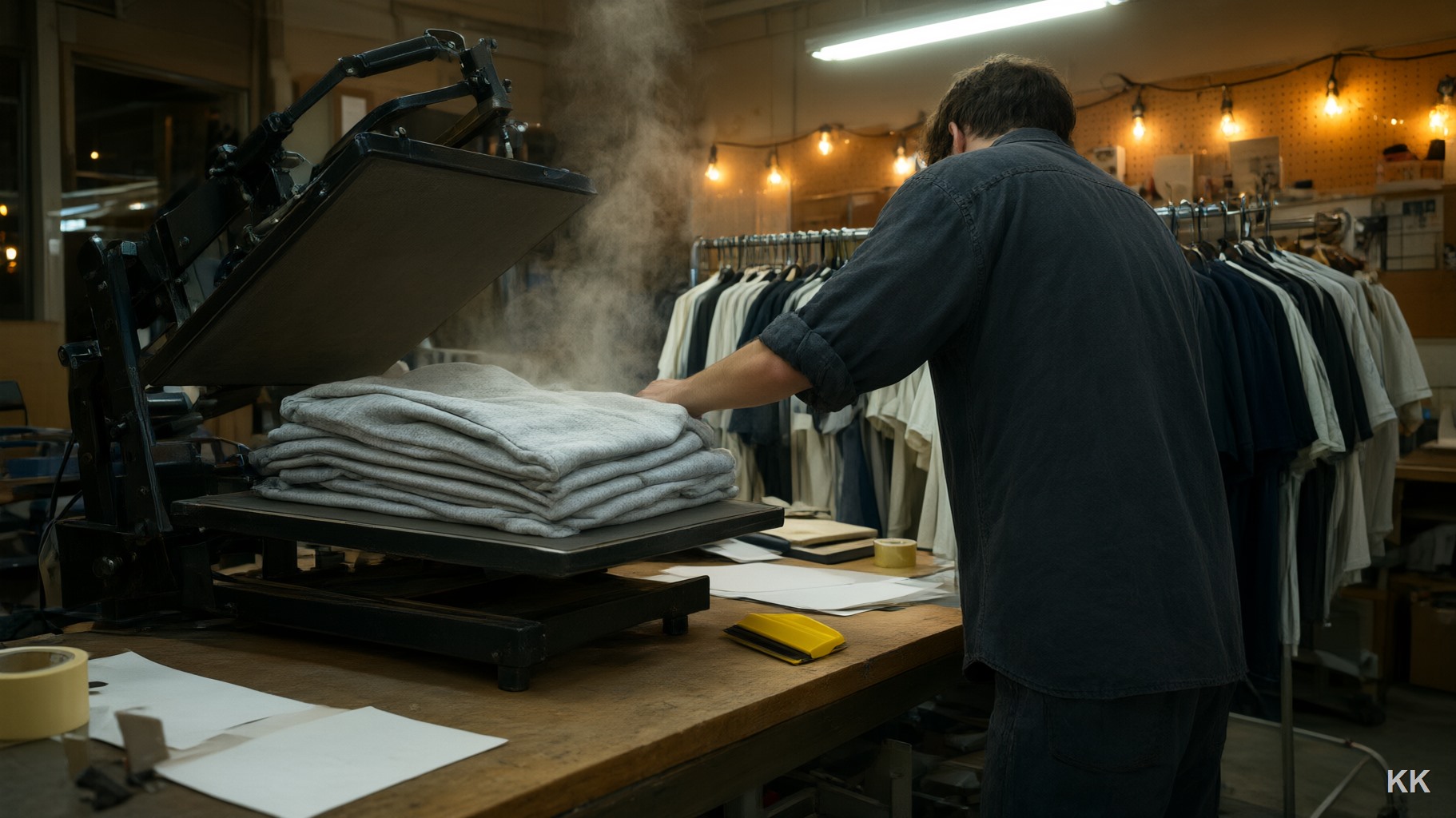
On March 31, a platform called NIL Club opened storefronts for college athletes who had never sourced a garment in their life.
It called the feature Athlete Merch: pick a graphic, tie it to your name, and it becomes a sellable product within days (PR Newswire). Nobody on the platform asked where the shirt actually gets printed.
That gap is now real money. Opendorse — the firm the industry itself uses to track this — puts total 2026-27 NIL athlete earnings at $4.5 billion, 61% higher than the estimate it published twelve months earlier (Opendorse). A growing slice of that is not an appearance fee or a sponsored post; it is a physical product with one person’s name on it, made to order and shipped to a stranger’s door. That is NIL merch manufacturing, and it runs on a different clock than any university licensing office ever did.
How NIL turned athletes into apparel founders
For most of NIL’s first four years, that money bought an athlete’s face for someone else’s product. LSU gymnast Livvy Dunne fronted a national ad campaign for the activewear brand Vuori (Business of College Sports). The athlete supplied the audience. Someone else’s warehouse, quality control and factory relationships supplied the actual product.
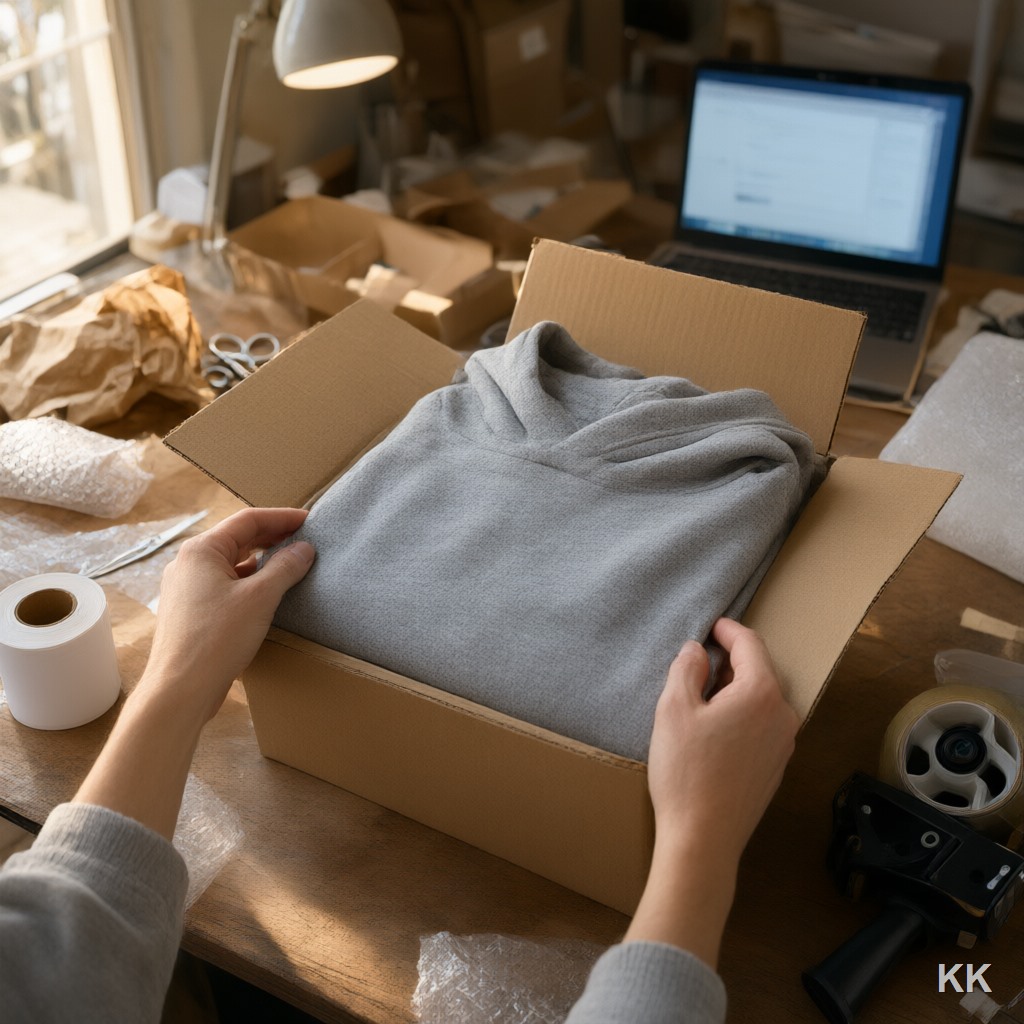
2026 changed the second half of that sentence. NIL Club’s Athlete Merch uses built-in design tools to take an athlete from an idea to a sellable graphic fast, without a design team of their own. Individual schools are building the same thing at campus scale: the University of Denver opened an officially licensed NIL storefront this spring, run through the print company Campus Ink, so any Denver athlete can sell branded gear without negotiating their own manufacturing deal (Denver Pioneers).
Part of the reason is the House settlement. Schools can now pay athletes directly, up to a cap of roughly $20.5 million per school for 2025-26 that climbs every year of the ten-year deal (ESPN). That cap did not slow spending down. It pushed schools, collectives and agents toward everything sitting above it, and Opendorse counts an extra $735 million in athlete earnings coming from exactly those above-cap deals this year. Merchandise, run correctly, is one of the few above-cap categories an athlete can own outright.
What NIL apparel manufacturing actually requires from a partner
A university athletics department is a stable, patient customer: one order a year, placed months ahead, paid on invoice. An individual athlete with a merch drop is nothing like that. They need speed, real low minimums, and — the part a lot of print shops skip — a clear line between what they own and what the school owns.
That line matters more than it looks. An athlete’s NIL rights cover their own name, image and likeness — not their university’s trademarks, colors, mascot or logo, which stay school property unless the school signs off on a co-licensing deal (Sports Litigation Alert). Plenty of schools have simply declined to sign off. That is the real reason so much NIL merch reads as a jersey number, a nickname or a signature phrase rather than a team crest: it is the safe side of a line the athlete doesn’t get to draw for themselves.
There is a second line now, and it is new for 2026. Any third-party NIL deal worth $600 or more has to be filed with NIL Go, the review platform Deloitte runs for the College Sports Commission, within five days of being signed. The CSC has cleared more than 17,000 of those deals worth over $127 million — and rejected more than 500 worth almost $15 million, mostly for lacking a real business reason or a market-based price (ESPN). A merch royalty between an athlete and a factory is exactly the kind of deal that draws that scrutiny.
“None of this makes the factory a law firm. It means the paper trail is now part of the product.”
A manufacturing partner who can produce a real per-unit royalty structure, an actual invoice and a shipped-unit count is doing part of the athlete’s compliance work along with the printing. One who can’t is handing the athlete’s agent a problem instead of a product.
The formats actually selling: game-day tees, warm-ups, limited drops
Three formats cover almost everything moving right now. A game-day tee, built around one specific matchup and meant to sell out before kickoff and go stale by Monday. A warm-up or hoodie carrying the athlete’s own number or nickname rather than the team’s branding, worn as everyday streetwear instead of fan gear. And a limited drop tied to a single moment — a viral highlight, a senior night, a walk-off — priced and positioned like a collectible rather than a restockable product.
What ties the three together is that none of them is planned on a season calendar. They are triggered by an event, and the event sets the deadline. A clip that goes viral on Saturday creates demand that is real by Sunday and mostly gone by the following weekend — which is a genuinely tighter production brief than the low-inventory drop model DTC brands already use (our earlier piece on the drop-culture model).
One graphic, six SKUs: building a real line from a single drop
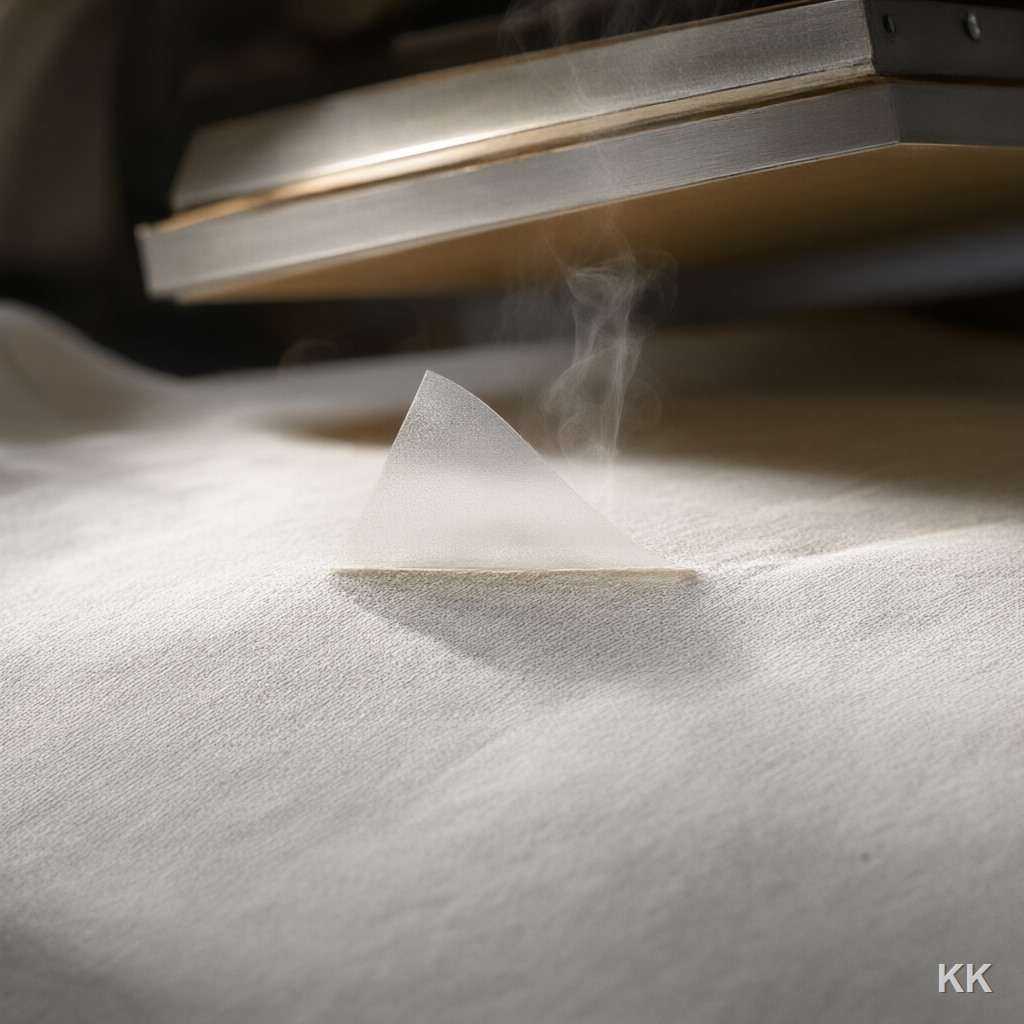
Most athletes start with exactly one piece of intellectual property — a signature, a number, a catchphrase — and need it to become six or eight sellable SKUs almost overnight: a tee in two colors, a hoodie, a cap, maybe a crewneck. That is a different job than designing six garments. It is one graphic, applied fast and cleanly across garments that already exist.
Print method decides how fast that happens. A direct-to-film transfer gets printed once and pressed onto a tee, a hoodie and a cap with no new screens or setup cost per color — which is why DTF, not screen printing, is the default at NIL order volumes, where a single drop might be a few hundred units split across five SKUs rather than a few thousand of one style (our DTF-versus-screen-printing breakdown).
The bigger decision is private label versus custom. Private label means printing on a blank garment that already exists, and it can ship in three to five weeks. A fully custom garment, built from the athlete’s own pattern and fabric, takes fourteen to twenty-six weeks — most of it before a single unit is cut (the private-label-versus-custom math). An NIL merch window rarely has fourteen weeks in it.
Free download
The NIL Merch Launch Checklist
A one-page rundown: the trademark line between an athlete’s own NIL and a school’s marks, what to have ready before a deal crosses the $600 NIL Go threshold, a starter SKU grid (tee, hoodie, cap), and the private-label lead times from the chart above.
Built around a season, not a retail calendar
Traditional apparel plans around buying markets that sit months apart, and a factory calendar built for that rhythm can hold a twenty-three-week lead time without anyone losing money on it (our week-by-week production timeline). A college season doesn’t offer that room. A football regular season runs about thirteen weeks. March Madness compresses an entire tournament into three. A single-elimination loss can end an athlete’s commercial peak on a Tuesday.
That is the argument for building the season into the plan rather than reacting to it: pre-approve the SKU set and the blank garments before the season opens, so the only thing that has to happen fast once a moment hits is printing and shipping, not sourcing and sampling. It’s the same logic a holiday apparel plan runs backward from a fixed shipping cutoff (our holiday production playbook) — except the deadline here is a scoreboard, not a calendar date, and nobody tells you in advance which week it lands.
The counterexample is the athlete whose season never really ends — a pro prospect whose name keeps selling well past their last college game. For everyone else, a merch line built for one live season and wound down cleanly afterward is the more honest plan than treating a single drop like the start of a permanent product line.
Keeping one athlete’s brand consistent as the portfolio grows
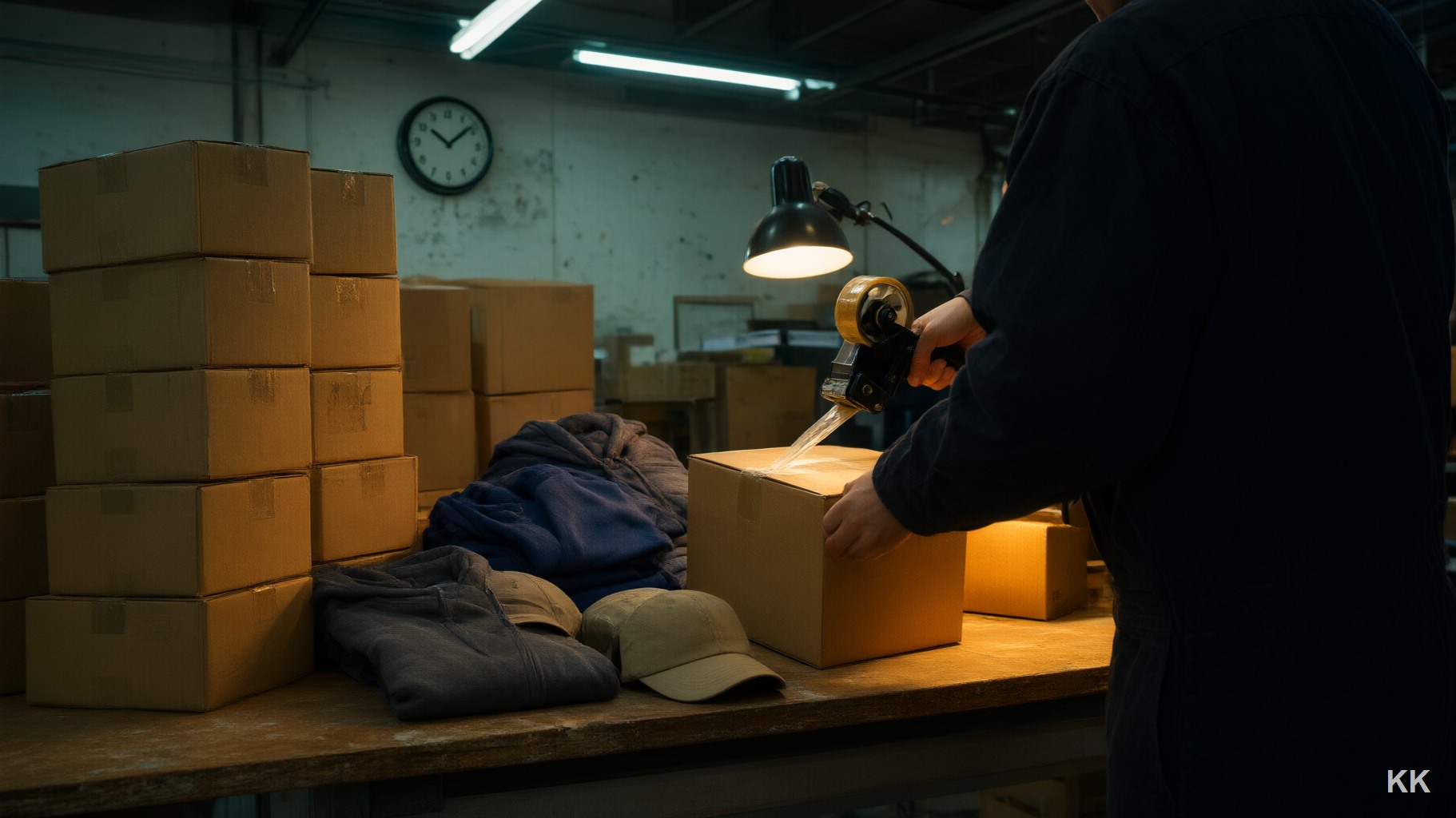
The risk changes once an athlete has shipped four or five drops instead of one. A slightly different shade of grey between the first hoodie and the third, a transfer that cracks after two washes, a cap that runs a size small — none of it reads as a print-quality issue anymore. It reads as a trust issue, because the entire appeal of NIL merch is that it is genuinely that person’s, not mass merch with a name printed on.
The fix is the one wholesale apparel brands already use: one point of production accountability across every SKU and every drop, instead of re-sourcing a new blank or a new print vendor each time the design changes. That consistency is invisible when it works and very visible in a one-star review when it doesn’t.
This doesn’t apply evenly across the market. An athlete whose NIL value is large enough to run a real operation — a handful of football and basketball stars carry a disproportionate share of that $4.5 billion figure — can absorb an in-house apparel team. For the far larger group of athletes now filing their first $600 NIL Go report, the manufacturing relationship isn’t a vendor. For a season or two, it’s the entire operation.
FAQs
Can a college athlete put their school’s logo on their own merchandise?
Not without the school’s separate permission. NIL rights cover an athlete’s own name, image and likeness — not a university’s trademarks, colors, mascot or logo, which stay school property unless the athlete and school agree to a co-licensing deal. Many schools have declined to grant that, which is why most NIL merch uses a number or nickname instead of a crest.
What NIL deals actually have to go through NIL Go?
Any third-party NIL agreement worth $600 or more has to be reported to NIL Go, the Deloitte-run system the College Sports Commission uses, within five days of signing. As of the CSC’s most recent public figures, more than 17,000 deals worth over $127 million have been cleared, and more than 500 worth almost $15 million have been rejected — mostly for lacking a real business purpose or a market-based price.
How big is the NIL merchandise market in 2026?
Opendorse projects total 2026-27 NIL athlete earnings at $4.5 billion, up 61% from the estimate it published a year earlier. Merch-specific platforms are a visible piece of that growth — NIL Club’s Athlete Merch launched in March 2026 specifically to help athletes turn a design into a sellable product rather than another appearance fee.
What’s a realistic first order size for an NIL merch drop?
The same range that works for any small brand’s first run: roughly ten to thirty units per style through a sample-room minimum, rather than the few hundred per color a standard wholesale factory asks for (our no-MOQ cost breakdown). That is enough to test one design across a few SKUs without betting a season’s NIL income on unsold inventory.
About Krazy Kreators
Krazy Kreators is the end-to-end brand-building partner for US clothing founders — design, sampling, fabric sourcing and retail-grade production, and packaging, under one roof, from first sketch to shelf. krazykreators.com
Read next
8 min read
The 'Drop Culture' Model: Strategies for Sold-Out Collections
Why low-MOQ drops sell out without inventory risk — the mechanic behind every NIL limited drop.
7 min read
Private Label vs Custom Clothing Manufacturing
The 3–5 week private-label lane versus the 14–26 week custom one, worked in full.
7 min read
DTF vs. Screen Printing: Which Is Right for Your Volume?
Why one design across five SKUs favors DTF over screens at NIL order sizes.
Comments
No comments yet
Be the first to share your thoughts!