
Fifteen weeks from today, the post office stops promising Christmas. USPS publishes its cut-offs late and they barely move: in 2025 the last Ground Advantage date was 17 December. Plan to that.
A first production run with a new factory takes about twenty-three weeks. That is arithmetic, not a scheduling problem urgency can fix, and it has already decided most of what you will sell this December.
So this is not a piece about planning early. It is about holiday custom apparel 2026 as it stands today: what a US founder can still put in front of a buyer, and the date next June when the 2027 collection starts.
It is also the plan Krazy Kreators runs with founders who arrive in September: pick the route that still lands, buy it to the right depth, book the slot that fixes next year.
Holiday Apparel Production Planning: When Should You Start?
November and December run at about 19% of annual US retail, and 2025 was the first year the pair cleared $1 trillion. Clothing sits near the top of the gift list: 46% of shoppers wanted clothing or accessories, behind only gift cards.
None of that moves the calendar. Holiday apparel manufacturing runs on the ordinary clock: our own stage-by-stage timeline puts a first run at twenty-three weeks from tech pack to shelf — development, sampling, bulk, then freight. Ocean from India is 30 to 40 days door to door; air is 8 to 10.
Start today and a from-scratch collection lands in February. Even a reorder of a garment you already sell — roughly twelve weeks of making, plus the crossing — is a January delivery.
Infographic 01
Holiday collection production: fifteen weeks against the clocks you can run
Every route to holiday custom apparel 2026, in elapsed weeks from a start date of 3 September. The dashed line is 17 December — the last ground shipping date USPS committed to in 2025. Anything crossing it arrives after Christmas.
Christmas Merch Manufacturing: What Can You Still Produce?
Three Christmas merch manufacturing lanes are open, each narrower than the last.
Decoration on stock blanks. The fastest holiday clothing production route: buy garments that already exist, decorate them, ship domestically. Six to eight weeks, no fabric development, no ocean. You give up fit, fabric weight and every construction detail that would have made the garment yours — a real cost, not a footnote. For a graphic hoodie in September it is usually the honest answer.
A reorder, flown in. If a style already sells, cutting it again is about twelve weeks plus 8 to 10 days in a plane — stock in early December, at a freight cost that eats the margin you were protecting. Worth it on a proven seller, never on a guess.
Selling it before it exists. More below.
| Decorated blanks | Reorder by air | Pre-order | |
|---|---|---|---|
| What you are actually buying | A garment that already exists, with your artwork on it | A second cut of a style you have already sold | A promise, paid for now |
| Time to first shipment | 6–8 weeks | About 13½ weeks | Sells now, ships January |
| What it costs you | Fit, fabric weight, every construction detail | Air freight, on every single unit | Everyone who will not wait |
| Stock left in January | Whatever did not sell | Whatever did not sell | None |
| Use it when | The graphic is the product | The style is already proven | You would rather hold cash than stock |
Not sure which lane you are in?
Tell us what you already have — a sketch, a sample, or a style that sold last year — and a Krazy Kreators production lead will tell you which of these three is realistic before you spend anything.
Building a Gifting Apparel Collection
Three categories: matching family sets, cozy loungewear, novelty prints. Same season, wildly different risk.
Matching sets are the strongest gifting proposition in custom holiday apparel: the buyer is not the wearer, and one transaction moves four garments that then get photographed. The trap is the size curve — a four-piece set is dead the moment one size sells out.
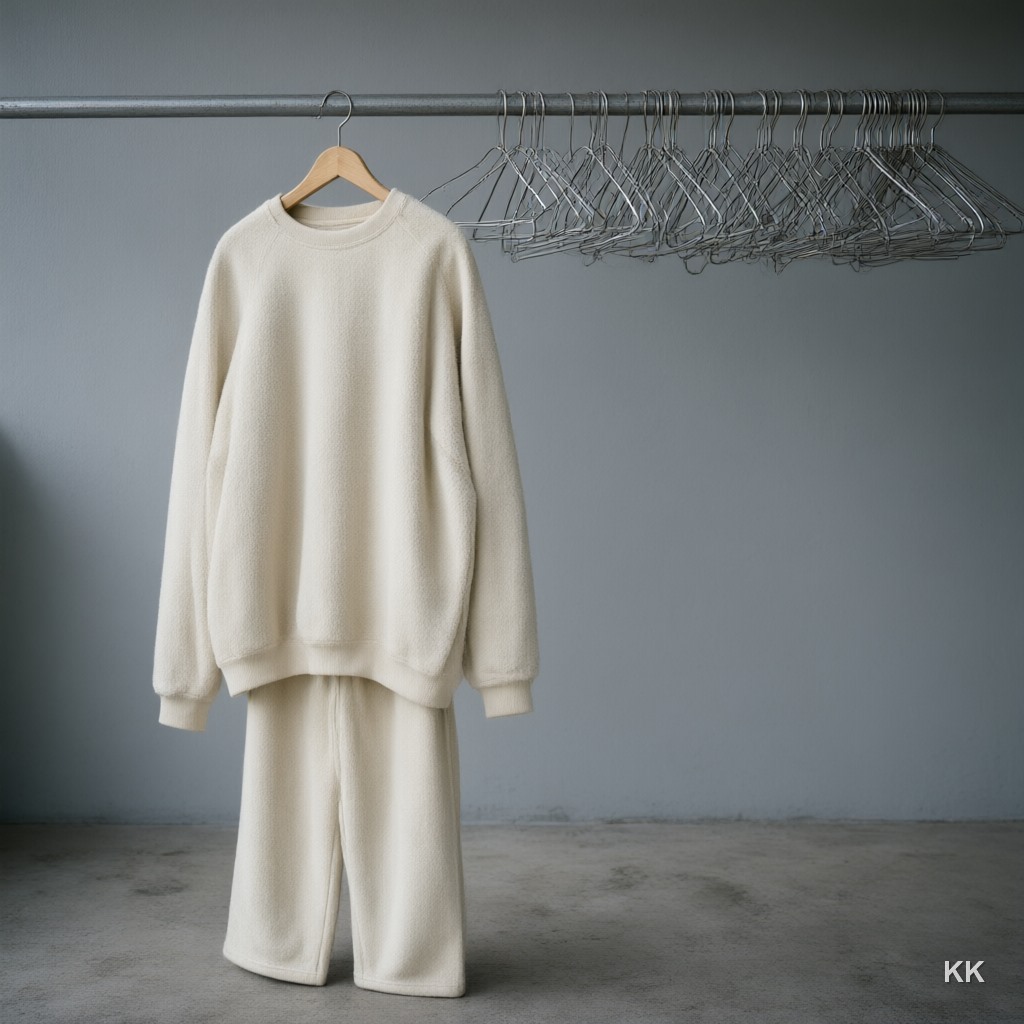
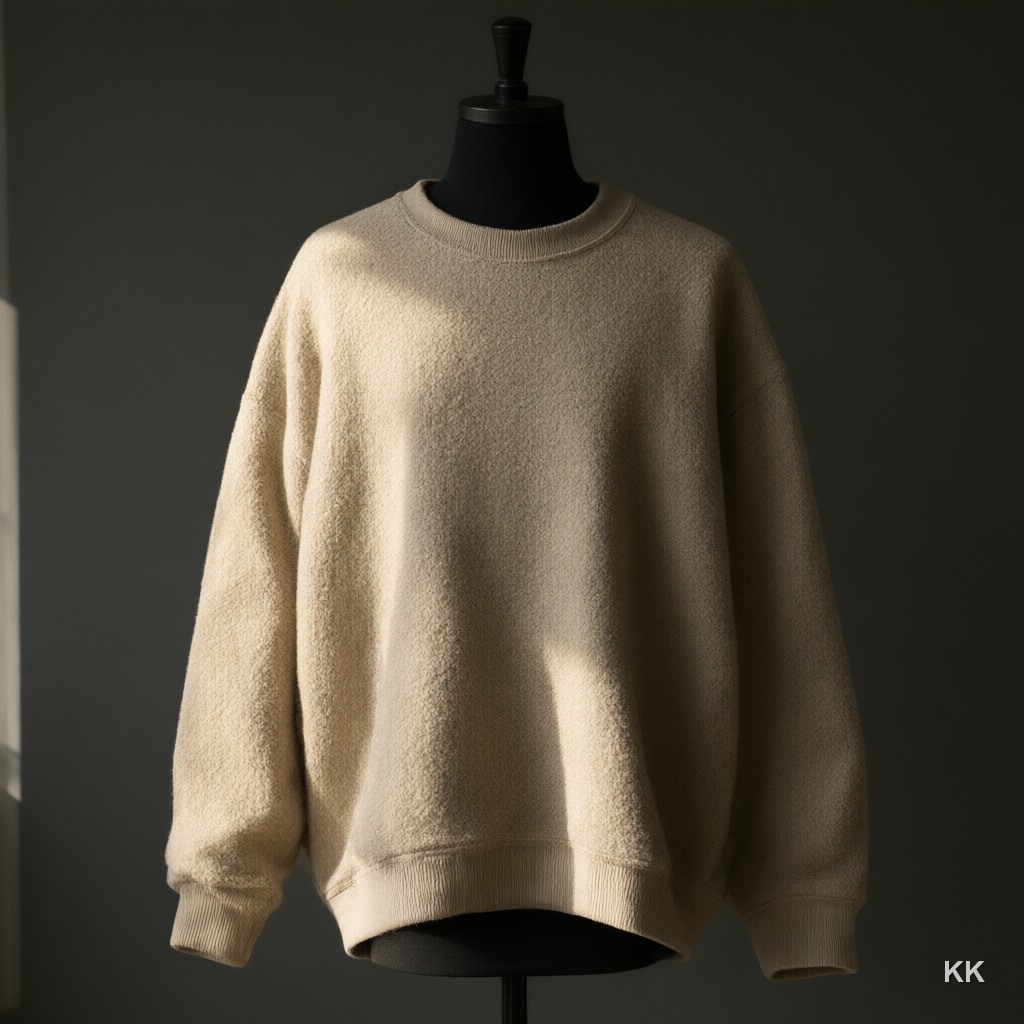
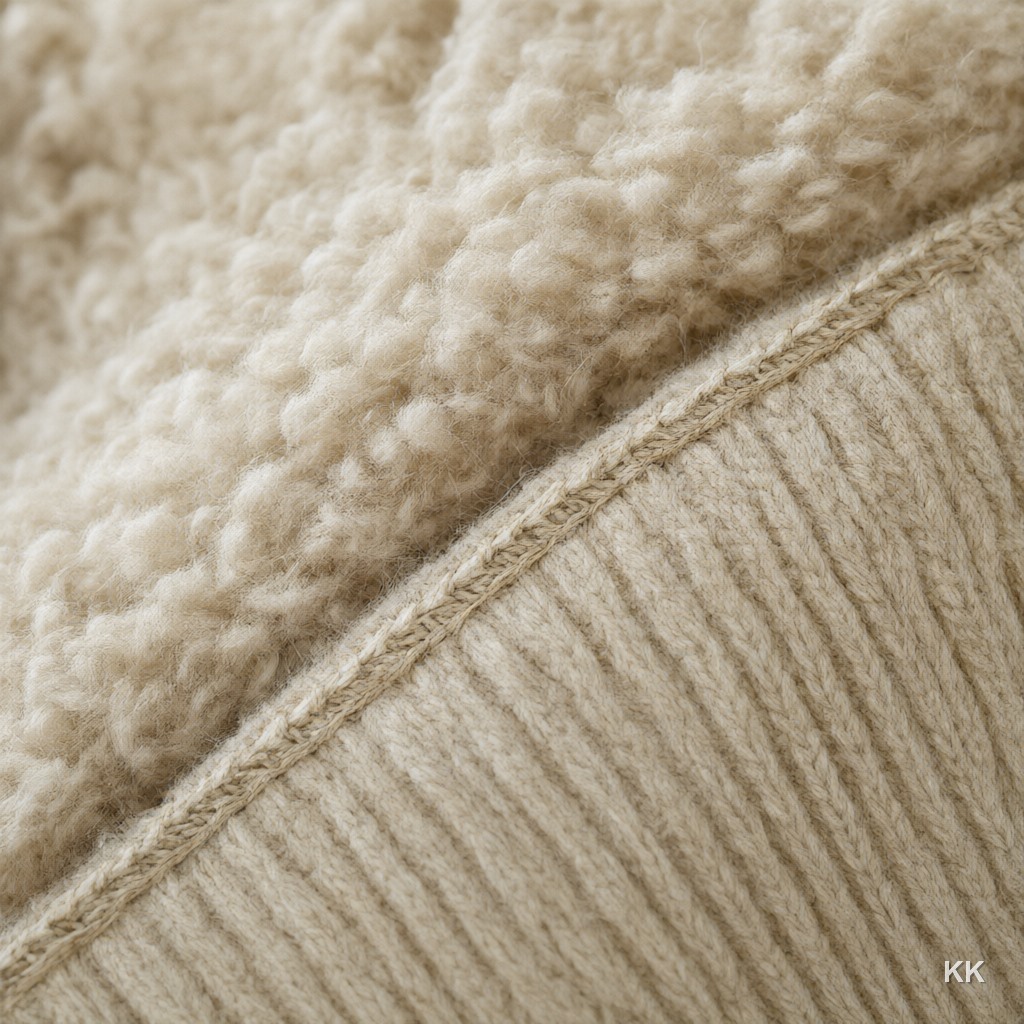
Loungewear is the safest and least seasonal. A heavyweight fleece set still sells in January, which is why it deserves your deepest buy.
Novelty prints are where founders lose money. Cheap to design, impossible to reorder in time, and worthless on 26 December. Print them shallow, on blanks, and accept that you are renting the season, not building a category.
Free download
The Holiday Countdown
Every date in Infographic 02 as a working sheet: what has to be signed by each one, the buy-depth rule per category, and a pre-order page checklist with the ship-date wording that keeps a January delivery from turning into a refund. Spreadsheet + PDF.
Would rather skip the reading? and we will mark up the dates that will not hold.
Bulk pricing against the January markdown
Deeper buys cost less per unit. True, and every seasonal apparel manufacturing quote leans on it — what a low-minimum run really costs is the other half of that sum.
Here is the half founders skip. Retailers expect 17% of holiday sales to come back as returns, against 15.8% across the year, and online runs higher still at 19.3%. Those returns arrive in January, when the goods are worth whatever a clearance page will pay.
So a lower unit cost is only a saving if the unit sells at full price. Buy deep on loungewear that still moves in March, shallow on anything with a snowflake on it. A no-warehouse launch gives up margin per piece to avoid precisely this trade.
Pre-orders, drops, and the box it arrives in
A pre-order moves the risk onto the customer’s calendar instead of your warehouse. Take the order in November, promise January, cut only what sold. The drop model does the same job with a deadline instead of a delivery date.
The condition is that you say the date out loud, on the product page and in the confirmation email. Founders who bury it get the sale and lose the customer.
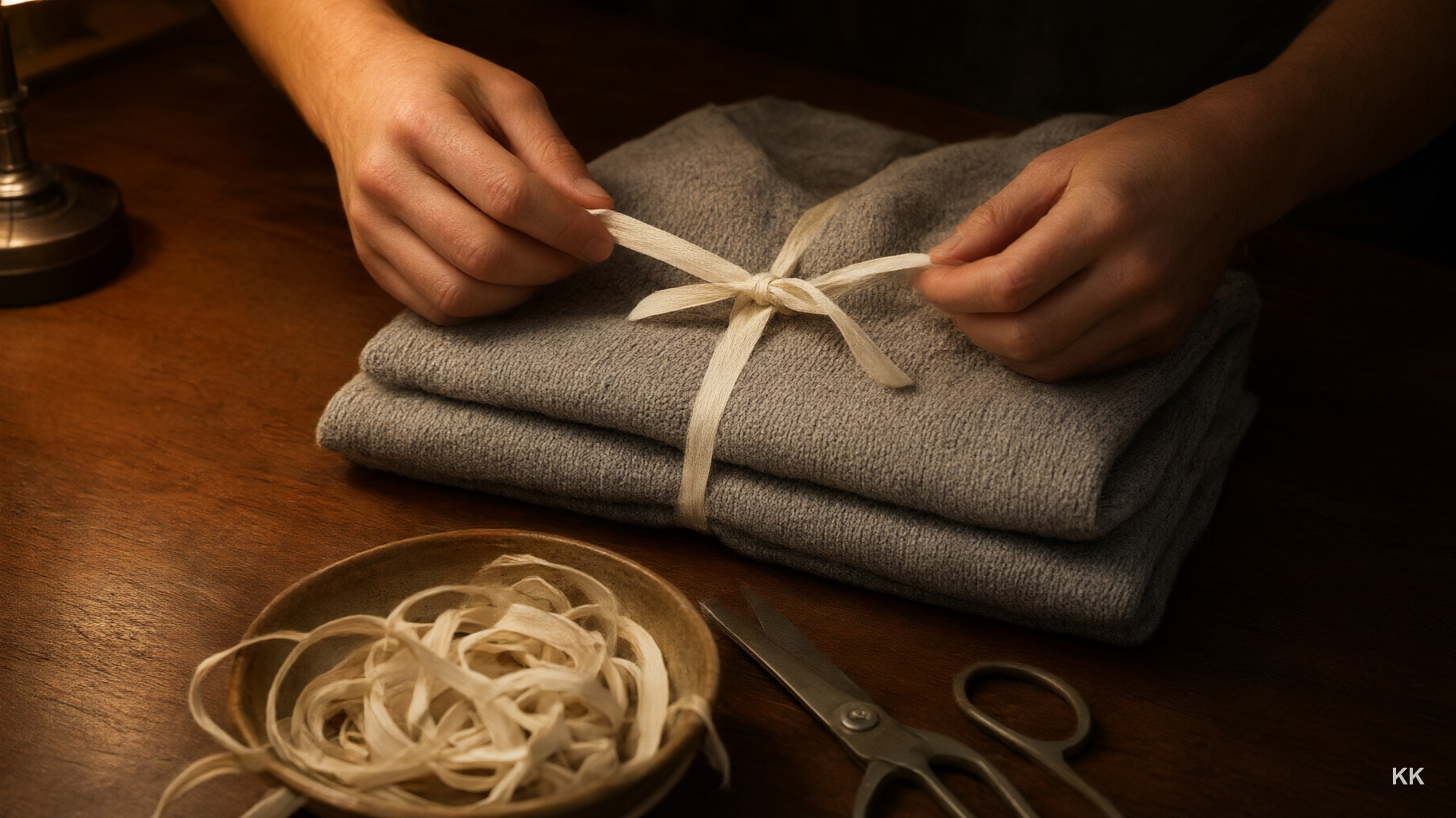
Packaging is the cheapest quality signal you can buy, and holiday is the one season where the box is opened by someone who did not choose what is in it. A branded mailer, tissue, a card — trim-level spend that reads as expensive and takes weeks, not months. Order it alongside the garments, not after them.
Holiday T-Shirt Production Timeline
The production timeline ends where the selling calendar begins, and two of its dates are not yours to move.
Diwali falls on 8 November and Indian factories run reduced through that week. If you make in India, that sits inside your window and needs planning around, not discovering.
Black Friday is 27 November, Cyber Monday 30 November. And 42% of shoppers start before November, so the October work below is not early. It is on time.
Infographic 02
The countdown: 1 October to 17 December
The selling spine of a seasonal clothing brand launch, drawn to scale across 77 days. Two dates are fixed by the calendar rather than by you, and both bite Christmas apparel manufacturing — Diwali on 8 November and Black Friday on 27 November.
Seasonal Clothing Brand Launch: Planning for 2027
Pick one lane this week and commit. If nothing is in production today, that means blanks and decoration for December, plus a pre-order on one hero piece you cut in January. Do not attempt a full collection — you will pay air freight for goods that arrive in time to be marked down.
Then put a note in the calendar for the first week of June 2027 — when the launch aimed at next Christmas actually begins, and when the holiday window opens. Everything here follows from that date passing unnoticed.
So: what are you actually shipping this December? If the answer is “not sure yet”, that is the twenty-minute conversation we have with founders every autumn.
Common questions
When should holiday apparel production planning start?
The first week of June, for anything made from scratch. Work it backwards rather than forwards: fix the date you want stock in the warehouse, subtract the crossing, subtract the sewing, subtract sampling, and subtract the weeks of development before that — and week one lands in early June. Founders miss it because they count forwards from the idea instead. One practical addition: book the factory slot separately from placing the order. Capacity for October and November is committed months earlier, and a confirmed order against an unbooked slot is not a schedule, it is a queue position.
Can I still make a Christmas collection if I start in September?
Not a new one, and it is worth being blunt about it. Christmas clothing production does not compress on request. There are roughly fifteen weeks between early September and the ground shipping cutoff, which in 2025 fell on 17 December. Decorating stock blanks takes six to eight weeks and fits comfortably. A reorder of a style you already sell is about twelve weeks of production plus 8 to 10 days by air, so about thirteen and a half weeks — it fits, but you pay air freight on every unit. A reorder sent by sea is seventeen weeks and misses. A first run from scratch is twenty-three weeks and misses badly.
Which apparel categories sell best as holiday gifts?
Matching family sets, loungewear and novelty prints, in that order of gifting strength. But the more useful thing to understand is why gift buying behaves differently: the person paying is not the person wearing it, and they are usually guessing at a size. That single fact should shape the range. Relaxed and oversized cuts, ribbed and elasticated waists, and one-size pieces such as beanies, scarves and socks all survive a wrong guess; a tailored or slim fit does not. Publish real garment measurements rather than S/M/L alone, include a gift receipt in every parcel, and set the January expectation as an exchange rather than a refund — an exchange keeps the money and the customer.
How do pre-orders reduce the risk of a holiday collection?
By turning stock you might not sell into stock you already have. There is a legal frame around it in the US that founders often miss. Under the FTC's Mail, Internet, or Telephone Order Merchandise Rule you must have a reasonable basis for the shipping date you advertise, and if you state none you are held to 30 days. Miss it, and you have to get the buyer's agreement to the delay or refund them. For a delay of up to 30 days silence counts as agreement; beyond that the order cancels automatically unless the customer actively says otherwise, and a cancellation means a prompt refund. So the delivery date on a pre-order is a commitment with teeth, not marketing copy. Give yourself a date the factory has actually confirmed, then add a fortnight.
How much holiday stock should I buy?
Let shelf life set the depth, and split the buy rather than placing it all at once. A useful way to size a first cut is to ask how many units you would be comfortable still owning on 2 January, because that is the number you are really committing to. Buy that much, then hold the rest of the budget as reserved factory capacity for one reorder on whatever sells fastest in the first fortnight. Two things follow from this. Selling out early costs you less than it feels like it does, because a markdown takes the margin off every remaining unit rather than a few. And a garment that is still sellable in March can carry a deeper buy than one that stops meaning anything the day after Christmas.
Does Diwali affect holiday production in India?
Yes, and it lands inside the window for anyone doing Christmas apparel manufacturing in India. Diwali falls on 8 November 2026, with the festival running roughly 6 to 10 November, and Indian factories run at reduced capacity through that week. If your production sits in India, that reduction overlaps the run-up to Black Friday on 27 November. It needs planning around at the point you place the order rather than discovering when a shipment slips.
About Krazy Kreators
Krazy Kreators is the end-to-end brand-building partner for US clothing founders — design, sampling, fabric sourcing and retail-grade production, and packaging, under one roof, from first sketch to shelf. krazykreators.com
Read next
7 min read
What to Lock for Holiday Before the Window Closes
The June companion to this post: the three decisions that decide a December delivery.
8 min read
The Drop Culture Model
How limited releases sell out a collection without a warehouse full of guesses.
10 min read
No MOQ Manufacturers: What You Really Pay
The unit-cost maths behind buying shallow, laid out honestly.
Comments
No comments yet
Be the first to share your thoughts!