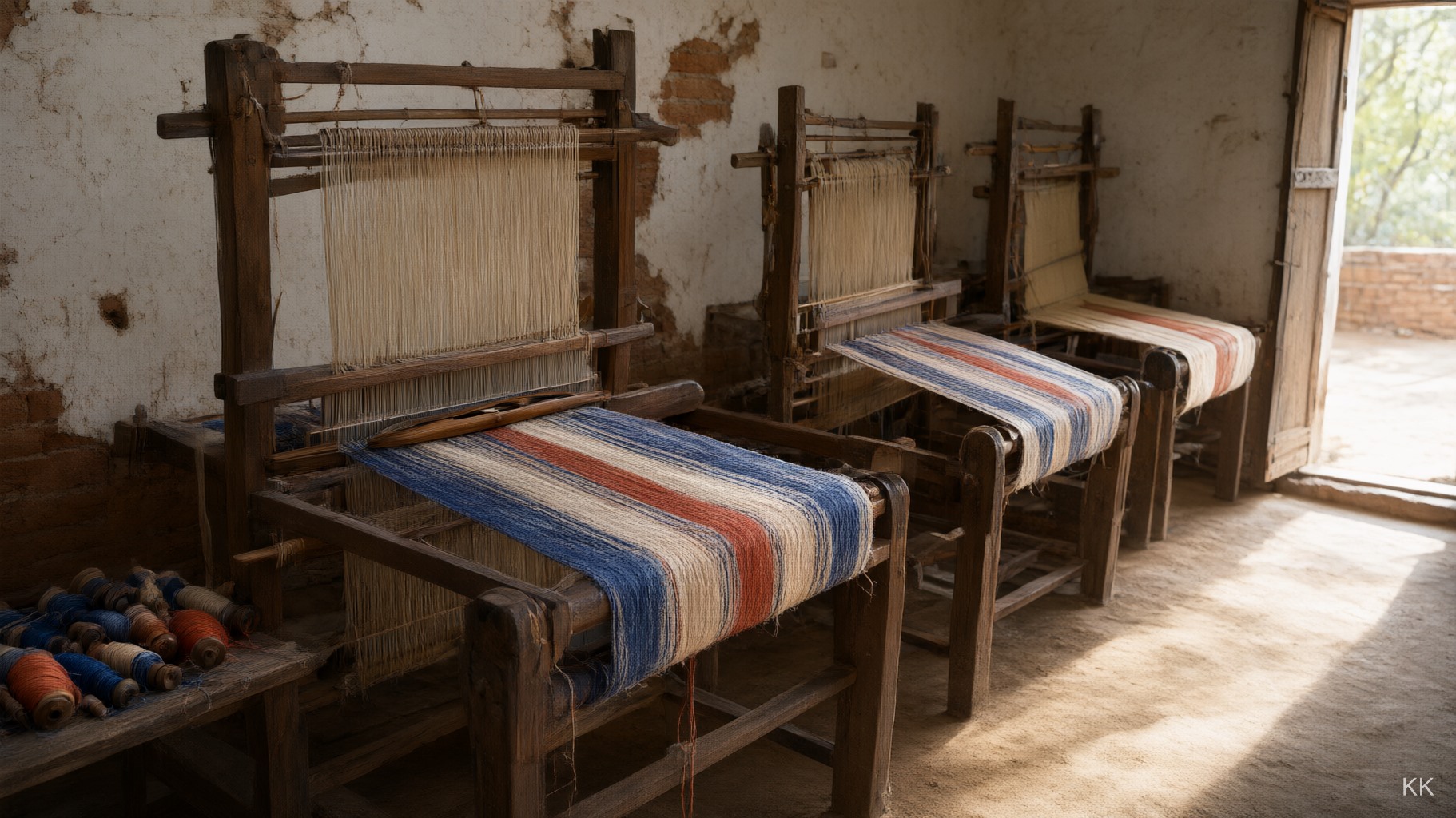
Two shirts hang on the same rail, both tagged “handloom cotton.” One was woven on a wooden frame loom, the weaver throwing the shuttle and working the pedals by hand. The other came off a power loom set up to fake the slubs. Most shoppers can’t tell them apart, and until now very little stopped the second being sold as the first.
India is changing that. In January the Ministry of Textiles published draft Handloom Mark Standards (Labelling and Display) Regulations. Under them, anything sold, displayed or advertised as “handloom” must carry a numbered Handloom Mark label, export goods included, and selling it without one counts as misleading (Ministry of Textiles draft). India told the WTO in March that it planned to bring the rules into force on 1 October 2026 (ELP summary of the WTO notice). When we checked on 23 October, the final version had not yet appeared in India’s official gazette. US brands buying hand-woven cloth should plan for it anyway.
At Krazy Kreators we source hand-woven Indian fabric for US labels and turn it into finished collections. Below is what we tell founders before they order the first metre.
India’s handloom sector, in four numbers
3.52M
handloom weavers and allied workers, over 72% of them women
Handloom Census 2019-20
2.82M
handlooms counted across India, nine in ten of them rural
Handloom Census 2019-20
29,402
Handloom Mark registrations issued by 30 June 2026
Ministry of Textiles, Aug 2026
₹1,331 cr
handloom exports in 2025-26, with the US among the leading buyers
Ministry of Textiles, Aug 2026
What Makes Indian Handloom Textiles Different?
The draft rules define handloom cloth plainly. It is woven on a pit loom, a frame loom or something like them, where the weaver works the loom by hand and controls the whole process. No motor drives the shuttle, and that is where the look comes from. Each row of weft is beaten in by hand, a little harder on some rows than others, so the cloth carries small shifts in density and the odd thick slub.
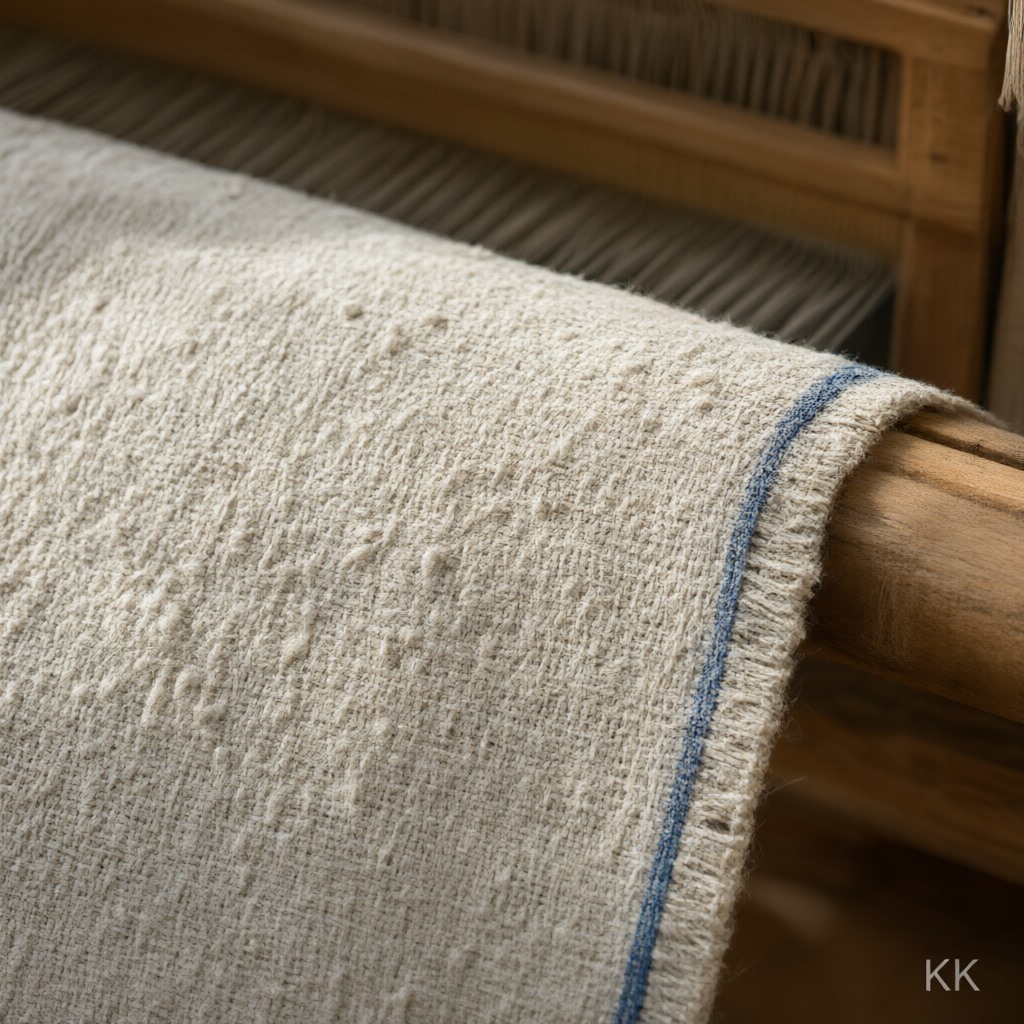
India still weaves this way at scale. The last handloom census counted 35.22 lakh, about 3.5 million, weavers and allied workers, more than 72% of them women, working 28.2 lakh looms, almost all of them in villages (Ministry of Textiles via PIB).
Khadi is a trademark as well as a fabric
Khadi is cotton spun by hand as well as woven by hand. The word is also a registered trademark of the Khadi and Village Industries Commission (KVIC), and the Delhi High Court ruled it a well-known mark in July 2022 (PIB). KVIC had sent 2,172 notices over unauthorised use by January 2022 (PIB), and it has filed to register the mark abroad, the US included (PIB). Check with your supplier before “khadi” goes on a hangtag.
Handloom vs power loom
What changes for a US collection
| Handloom | Power loom | |
|---|---|---|
| What drives the loom | The weaver's hands and feet | An electric motor |
| Texture | Small shifts in density, the odd slub | Even, unless set up to imitate hand weaving |
| Two lots of the same cloth | Differ slightly in shade and handle | Close to identical |
| Speed | Slow. Suits capsules and limited runs | Fast. Suits repeat basics |
| Proof it is hand-woven | Handloom Mark label with a unique number | None. It cannot carry the Mark |
| Where it earns its place | Hero pieces, resort shirting, capsules | Core basics that need a perfect repeat |
Why US Fashion Brands Are Exploring Indian Textiles
Handloom gives a small brand something hard to get anywhere else: cloth a competitor can’t reorder from the same catalogue. Indian labels have spent years cutting it into shirts, jackets and dresses rather than saris and kurtas (Vogue India), so a US designer no longer has to imagine what it looks like in a modern silhouette.
American buyers are already there. India exported about ₹1,331 crore, roughly $150 million, of handloom products in 2025-26, and named the United States among its leading markets alongside the UAE, France, the UK and Spain (Ministry of Textiles via PIB).
Six Indian handloom traditions, cut for a US line
What each one is, where it fits, and the thing to ask first
Khadi
Cotton spun by hand and woven by hand
Use it for
Casual shirts, relaxed dresses
“Khadi” is a KVIC trademark
Ikat
Yarn tie-dyed before weaving, so the edges blur
Use it for
Jackets, statement shirts
Pochampally ikat is GI-registered
Chanderi
Sheer silk-cotton from Madhya Pradesh
Use it for
Occasion wear, overlays
GI-registered
Jamdani
Motifs inserted into the weave by hand, one at a time
Use it for
Premium detailing, yokes
The slowest on this list
Handloom cotton
Plain, striped or checked everyday cloth
Use it for
Resort sets, shirting
Shade shifts between lots
Banarasi
Brocade woven with metallic zari in Varanasi
Use it for
Luxury and occasion pieces
Ask whether zari is real or imitation metal
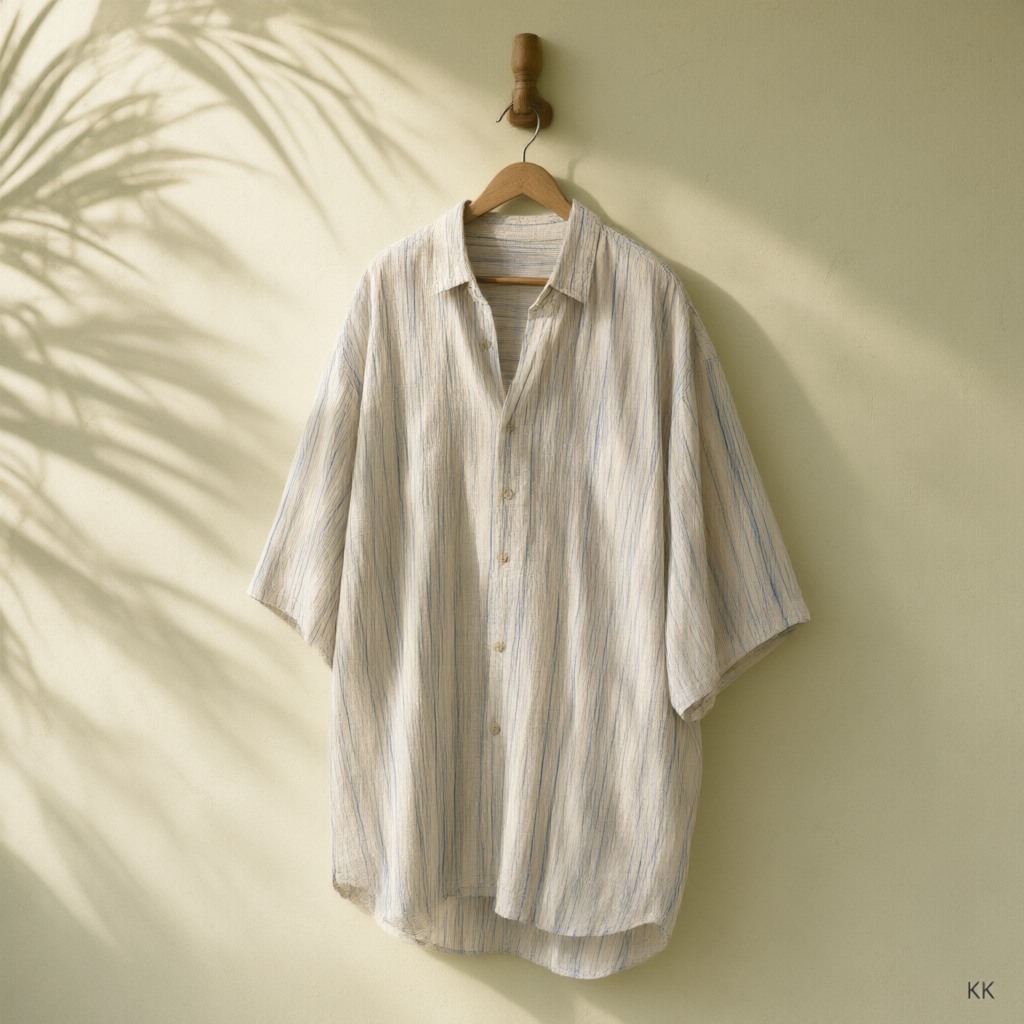
The point is to adapt the cloth, not export the costume: a traditional weave as an oversized shirt, handloom cotton as a resort set, ikat on a streetwear jacket, a handwoven panel on a minimal dress.
How Indian Handloom Supports Sustainable Fashion, and Where It Doesn’t
The case for it is real. The loom runs on human power. Hand weaving works in short runs, so you can order closer to what you will actually sell. And it keeps paid, skilled work in villages that have few other options.
But the loom is one step of many. Unless the cloth is khadi, the yarn usually comes from a mill. The dye may be synthetic, and what matters most is how the dye house treats its water. Hand-woven doesn’t mean organic, and it doesn’t mean low-impact.
“The Handloom Mark proves who wove the cloth. It says nothing about the dye.”
The FTC’s Green Guides warn US marketers off broad claims like “eco-friendly” that they can’t back up (FTC), so say what you can prove: “hand-woven in Telangana,” “GOTS-certified organic cotton.” India’s separate India Handloom Brand label goes further than the Handloom Mark. It covers natural fibre, fast colours, skin-friendly dyes and social compliance, and had 2,305 registrations by June 2026 (PIB). Our sustainable manufacturing guide covers the rest of the evidence.
Have a handloom fabric in mind?
Send us the name or a photo.
We’ll tell you what proof it should come with, how it is likely to behave in a US wash test, and which piece in your line it suits.
What US Fashion Brands Should Consider When Sourcing Indian Textiles
Each proof answers a different question, so ask for the ones your claims rely on before you approve a sample.
Plan for the cloth to vary
Handloom has limits a US production plan has to allow for. It is slower than power-loom cloth, and two lots of the same fabric rarely match exactly. Buy all the fabric for a style in one lot, check its weight against your spec (our GSM guide explains how), and wash-test a sample before you approve it.
If a style needs the same shade across thousands of units for three seasons, handloom is the wrong cloth for it. Keep it for the capsule, and write the variation into the product copy so customers expect it.
Nothing changes on the US side. Every garment still needs its fibre content and country of origin on the label (FTC Textile Rules).
How Krazy Kreators Helps Fashion Brands Turn Textile Ideas Into Collections
We start with design: your mood board and a tech pack that names the cloth. Then we source the handloom, collect the proof that backs your claims, and sample until the drape and the wash are right. Bulk production runs from one fabric lot with checks on the line, followed by a final inspection, packing and dispatch to the US.
Planning a handloom capsule?
Looking to create a fashion collection with Indian textiles? Tell us the pieces and the quantities you have in mind, and we’ll plan the route from design and sourcing to sampling and production.
FAQs About Indian Handloom & Sustainable Textiles
Why are US fashion brands sourcing textiles from India?
For cloth they cannot get elsewhere. India still has about 3.5 million handloom weavers and allied workers alongside a large mill sector, so a brand can buy hand-woven ikat, Chanderi or khadi and mill-made basics from the same country. The US was among India's leading handloom export markets in 2025-26.
Are Indian handloom textiles sustainable?
Some are, and none is automatically. The weaving runs on human power and in short runs, which helps. But the yarn is usually mill-spun, the dyes may be synthetic, and the dye house matters as much as the loom. Under the FTC Green Guides, claim only what you can document: the fibre certificate, the dye process, where the cloth was made.
What Indian fabrics are popular for sustainable fashion?
Khadi (hand-spun, hand-woven cotton), handloom cotton, ikat, Chanderi, Jamdani and Banarasi brocade are the best known. For a sustainability claim, the fibre and dye matter more than the weave: organic cotton with a GOTS certificate and natural or low-impact dyes give you something to prove.
Can Indian handloom fabrics be used for modern Western clothing?
Yes. Handloom cotton makes a strong resort shirt, ikat works as a camp-collar shirt or light jacket, and Chanderi suits occasion tops and overlays. Plan for slight variation between fabric lots and test a washed sample before you approve production.
How can US brands verify sustainable textile suppliers in India?
Ask for the Handloom Mark label number and the supplier's registration to prove the cloth is hand-woven, India Handloom Brand registration for quality and dye standards, GI registered-user status for named weaves, a fibre certificate such as GOTS with a transaction certificate for your lot, and lab results for shrinkage and colourfastness.
How does textile sourcing affect the sustainability of a collection?
Most of a garment's footprint is set before it is sewn: the fibre, how the yarn was spun, how the cloth was dyed and finished, and how much of it ends up unsold. Choosing a certified fibre, a responsible dye house and a run size close to real demand does more than any label on the finished piece.
What We’d Do in Your Shoes
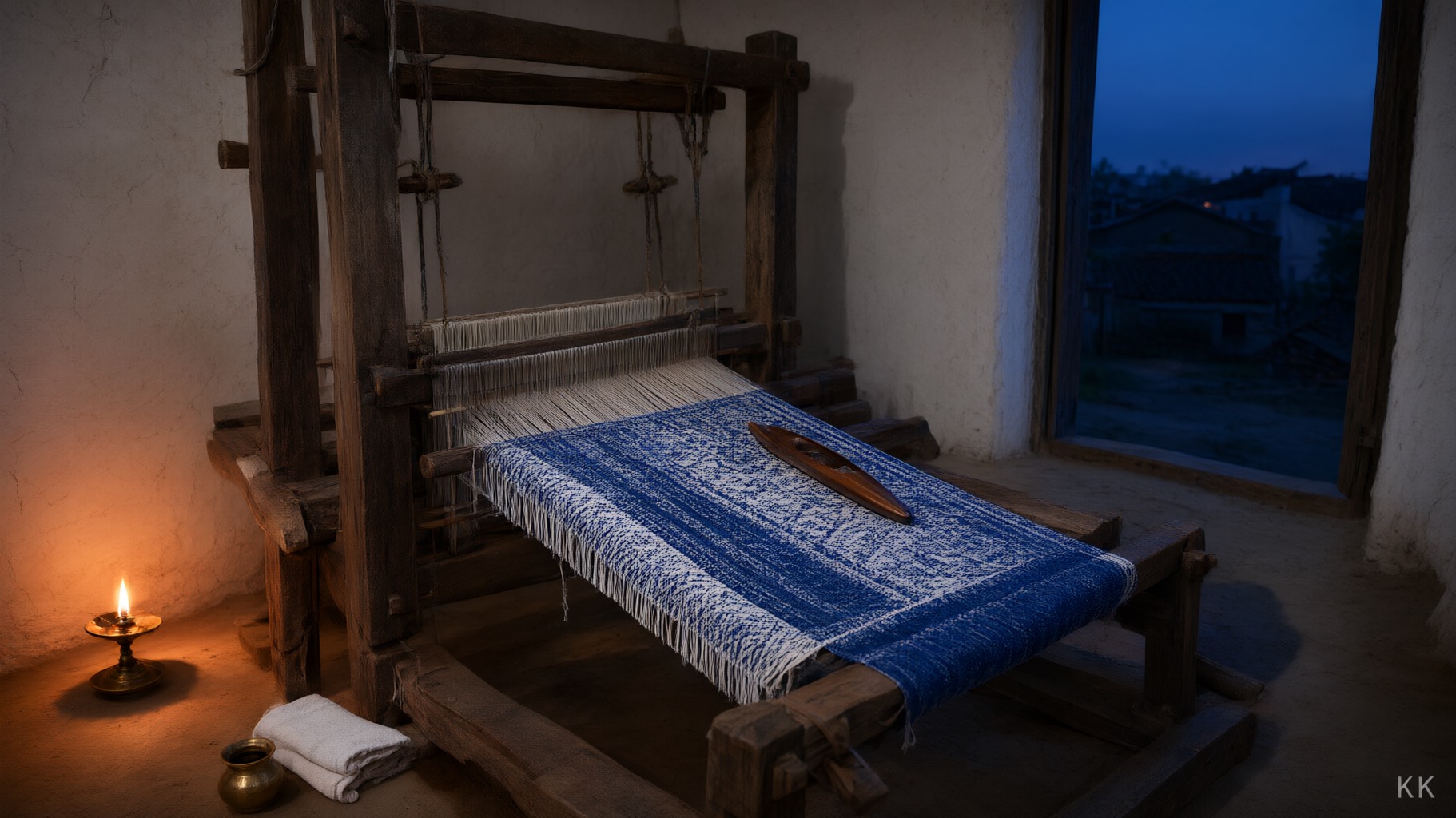
Start with one hero piece in a hand-woven cloth, and ask for its Handloom Mark number before the sample. Sell the variation as the point of the piece. Which piece in your line would you weave by hand first?
About Krazy Kreators
Krazy Kreators is the end-to-end brand-building partner for US clothing founders — design, sampling, fabric sourcing and retail-grade production, and packaging, under one roof, from first sketch to shelf. krazykreators.com
Read next
9 min read
The 'Made in India' Trend Reshaping American Luxury in 2026
How Indian craft moved from the souvenir shelf to the US luxury rail.
11 min read
Beyond China: Why More Fashion Brands Are Sourcing From India in 2026
The duty, lead-time and country comparison behind the fabric decision.
8 min read
Sustainability Simplified: Organic Cotton, GOTS, and Recycled Polyester
What layer four of the proof stack actually certifies, fibre by fibre.
Comments
No comments yet
Be the first to share your thoughts!