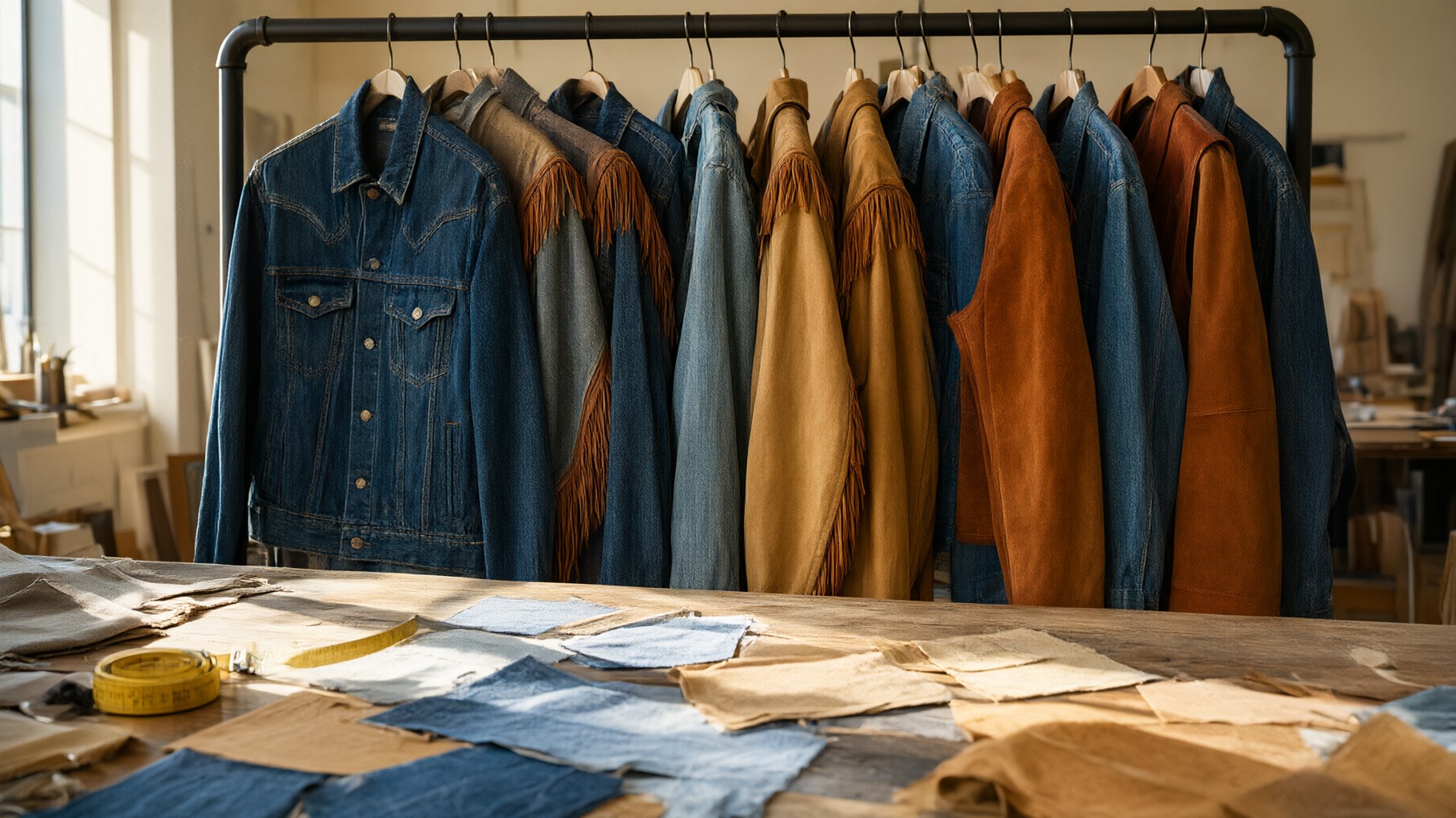
Western wear has moved off the specialty rack and onto the main feed. Oversized denim, fringe jackets and co-ord sets turn up in styling videos as often as almost anything else right now, and shoppers who found the look online are already looking for somewhere to buy it.
For someone thinking about starting a clothing brand, that is an opening: a defined aesthetic, a customer who already knows what she wants, and a short list of fabrics and silhouettes to build around.
None of that works without three things handled early: the right fabric for each piece, a manufacturer who samples before bulk, and a brand that looks considered rather than copied. Here is the build order, step by step.
Why is western wear a growing business opportunity in 2026?
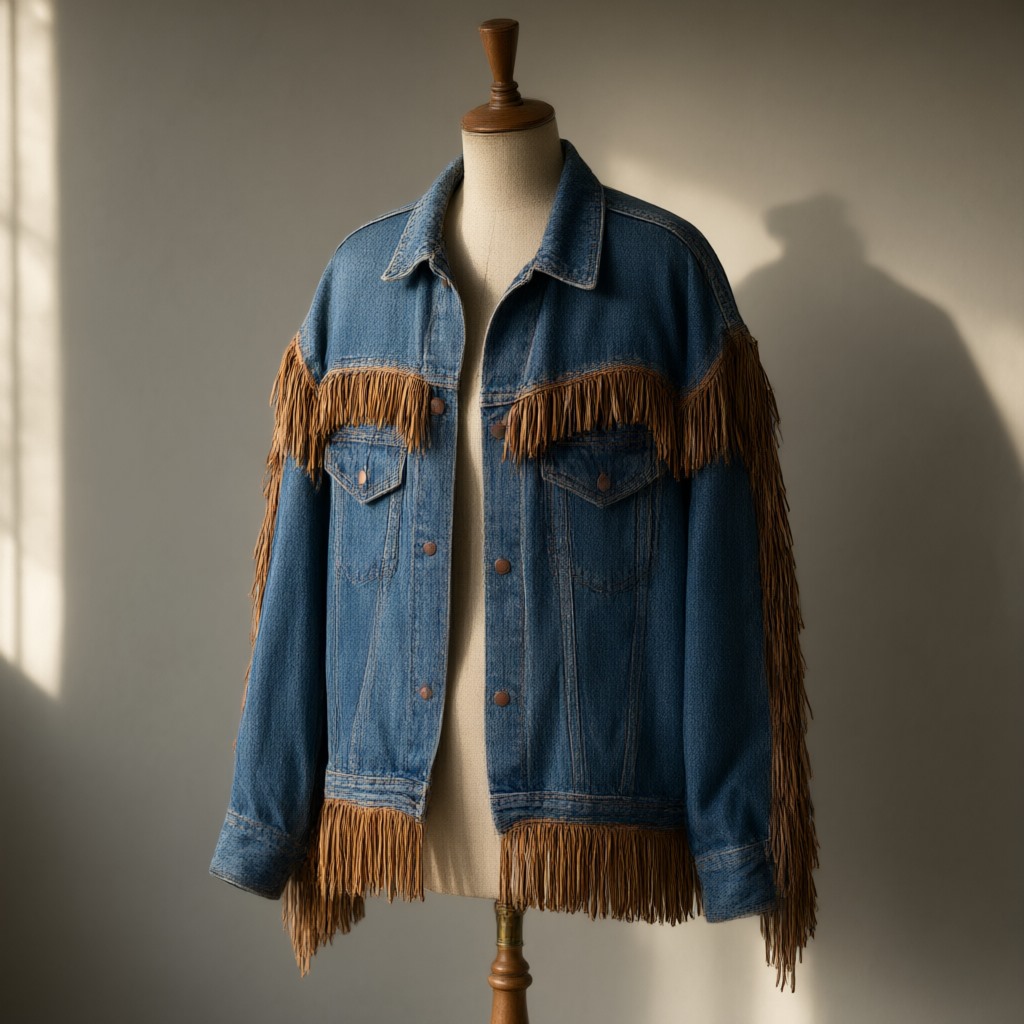
Western wear earns its current attention honestly. Comfortable, versatile pieces keep outselling anything occasion-only or heavily structured, and a look this photogenic travels well on video, which is where a lot of shoppers now discover a new label before they ever see a website.
Online stores make the category easier to test, too. A founder can launch a handful of styles, see what actually moves, and adjust before committing to a full range rather than guessing at scale from day one.
That popularity brings competition with it. The aesthetic is easy to copy and easy to overbuy, so the founders who hold onto a style once it is trending tend to differentiate on fit and fabric rather than on simply being first.
Western fashion trends to watch in 2026
- • Oversized shirts and relaxed fits
- • Denim jackets and jeans as the backbone of the category
- • Co-ord sets built around one silhouette
- • Statement tops and dresses with western detailing
- • Comfortable, easy-care fabrics over anything precious
Step 1 — Choose your western fashion brand niche
A general “western wear” store competes with every retailer already in the category. A specific one does not. Decide which version of the look you are building before anything else, because that choice shapes the fabric, the price point and the customer who finds you.
Popular western wear categories
- • Women’s casual western wear
- • Premium western fashion
- • Streetwear and oversized silhouettes
- • Sustainable, easy-care western pieces
- • Indo-western fusion
Understand your target audience
Write down who you are designing for in concrete terms: an age range, a budget, how often they buy clothes online, and whether they are shopping for a complete look or single statement pieces. That answer shapes every choice that follows, from fabric weight to where you advertise.
Step 2 — Research the market and competitors
Once the niche is set, build a working list of five or six labels selling into it at a similar price point and aesthetic, and treat their product pages as a dataset rather than inspiration. Note which SKUs carry a “bestseller” or “low stock” badge, which have the most reviews, and which colourways or sizes sell out first — that says more about real demand than a single viral post does.
Reviews are the fastest competitive intelligence available, and most founders skim past them. Read the one- and two-star reviews on four or five competitor products specifically. The complaint that keeps repeating — fringe shedding after a few washes, a cut that runs small, a fabric that pills by the third wear — is usually the exact gap you can build a brand around.
A 30-minute research routine
- Pull up five or six competitor sites in the same niche and price band.
- Sort each by bestseller or most-reviewed; note the three styles that keep reappearing across all of them.
- Read 15–20 one- and two-star reviews across those styles and log the complaint that repeats.
- Check Google Trends for your core search term over the last 12 months to confirm the interest is steady, not a single spike.
- Save 20–30 reference images to one folder, tagged by silhouette rather than just “inspo.”
The goal is not to copy a competitor’s range. It is to find the one thing they are doing poorly and build your unique selling proposition around fixing it.
This research has to run deeper than a mood board once it reaches the factory. On Drover Cowboy Threads, our research phase meant studying rodeo riders, ranchers and western-lifestyle customers specifically — not “western wear shoppers” broadly — and that specificity is what decided which silhouettes made the final cut, not just which ones looked good in a mood board.
Step 3 — Select the right fabrics for western wear
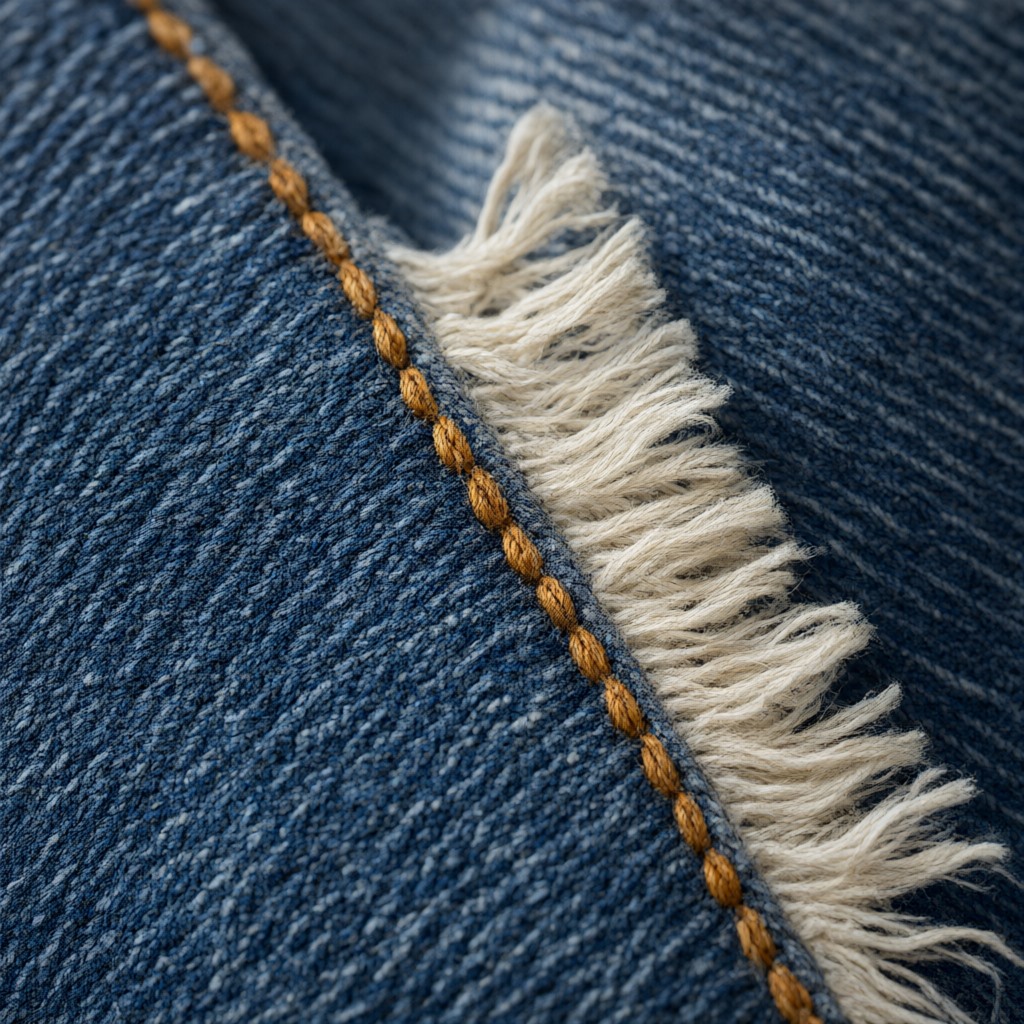
Fabric choice decides more about the finished garment than the pattern does. The same denim jacket wears differently depending on the weight and weave of the cloth underneath it, and a customer feels that difference the first time they put it on.
Where the five core western-wear fabrics work best
Match the fibre to the piece before you match it to the design
| Fabric | Common applications | Breathability & care |
|---|---|---|
| Cotton | Shirts and casual tops | Breathable, machine-washable, can shrink slightly on first wash |
| Denim | Jeans, skirts and jackets | Durable and heavier; colour can transfer when new |
| Linen | Summer dresses and shirts | Very breathable, creases by design, best hand- or gentle-washed |
| Rayon | Dresses and flowy tops | Soft drape, moderate breathability, loses shape if over-washed hot |
| Satin | Partywear and statement outfits | Low breathability, snags easily, usually dry-clean or delicate-cycle |
“A fabric that looks right in a sample and performs differently in the customer’s washing machine is a return, not a sale.”
Beyond the fibre itself, ask your supplier about shrinkage after washing, whether the dye lot holds its colour run to run, and what care the fabric actually needs. Those three questions catch most of the problems a swatch alone will not show you.
Step 4 — Design your first clothing collection
Keep the first collection small enough to execute well. Five to eight styles built around one consistent idea will outperform twenty styles built around none.
Start with a small collection
- • Oversized shirts
- • Casual tops
- • One co-ord set
- • A denim-inspired piece
- • One statement dress or jacket
Work from a mood board and a fixed colour palette before you sketch, so every piece reads as part of one line rather than five unrelated ideas. Build the size run early and fit-test it on real bodies, not only the sample size, before committing to a production quantity.
Work through it with us
Have a first western-wear collection sketched out?
Send us the styles you are planning and the fabric you have in mind. We will tell you what a sample round on it would realistically need.
Step 5 — Find a reliable clothing manufacturer
Manufacturing is where a good design either survives or falls apart, and the difference rarely shows up in the first conversation with a factory. It shows up in the first washed sample. Every build we run starts from a tech pack: flat sketches, measurements graded across the full size run, and construction notes specific enough to call out a detail as small as no top-stitch at a seam or a double yoke — built before a single yard of fabric is cut. Skip that step and two “identical” production runs can come back measuring differently, with nobody able to say why.
How a sketch becomes a finished, wearable sample
- • Tech pack and pattern — measurements graded across the full size run, with construction and trim called out piece by piece.
- • Proto sample — a first fit sample, usually revised once or twice before the fit is locked.
- • Pre-production sample — built in the actual bulk fabric and trims, not a substitute. This is the sample to approve, because it is the version the factory will try to match at scale.
- • Inline and final inspection — checks during cutting and sewing for stitch accuracy and print alignment, then a random check across the finished run for material, durability and trim security before it ships.
From our own build: Drover Cowboy Threads
Western shirts get worn hard — on a horse, not just on a hanger — so the tech pack for Drover specified gussets and stretch-compatible seams for riding movement, not just a flattering flat-lay. We supervised the sample runs ourselves, approved fit across different body types moving as well as standing, and sent trial shirts out for wear testing before bulk cutting started. That shirt now sells in 29 US states, Canada and Australia — the construction choice was invisible on the rack and is the reason the brand holds up after repeat wear.
Fabric-specific checks a western-wear line needs
Western wear has its own failure points, and they are specific enough that a generic quality checklist misses them.
- • Raw or rigid denim can shrink several percent on its first wash — we pre-wash and measure a swatch before patterns are cut, not after.
- • Fringe and suede-look trims need a rub and colourfastness check, since a dark dye can transfer onto a lighter base fabric in the customer’s wash, not just the factory’s.
- • Fringe should be bar-tacked or lock-stitched at the base, not run on a single straight stitch — that is the difference between fringe that survives a season and fringe that is gone after three washes.
- • Die-cut fringe comes out even length to length; hand-trimmed fringe does not, and the inconsistency shows in a flat-lay or product photo even when it reads fine on the body.
A realistic timeline
A first western-wear order typically moves through tech pack finalisation, two to three sample rounds, bulk cutting and sewing, and then four to six weeks of ocean freight to the US. Budgeting three to four months end to end, sampling included, keeps a launch date honest instead of aspirational.
Questions to ask your manufacturer
- Can you provide a pre-production sample in the actual bulk fabric before cutting the full run?
- Do you pre-wash and measure denim before patterns are cut?
- How is fringe or trim attached — bar-tacked or straight-stitched?
- What inspection happens between cutting, sewing and shipment, and who signs off at each stage?
None of this is guesswork a factory can shortcut. It is a sequence, and skipping a step — approving a proto sample instead of the pre-production sample, say — is how a brand discovers a problem only after a few hundred units have already shipped.
Signs you are making this mistake
- • You approved the fit sample, not the pre-production sample, before bulk cutting started
- • Nobody can tell you whether fringe is bar-tacked or straight-stitched
- • Your denim was never pre-washed and measured before the patterns were cut
Step 6 — Calculate your clothing brand startup costs
The major expenses sit in a short list: fabric and raw materials, sampling and stitching, manufacturing, packaging and labels, a website, and marketing. A simple way to see where the money goes is to cost one product end to end.
Costs founders forget to budget for
- • Ocean freight and import duties on top of the factory price, not folded into it
- • A second or third sample round, since the first fit sample is rarely the one you approve
- • A lab dip or strike-off if you want a custom colour match — that is costed and approved separately from the garment itself
- • Grading the pattern across your full size run (an S–3XL range, say), not just the sample size
- • Fibre-content and country-of-origin labelling, which US rules require on every garment before it can legally ship, and which has to be finalised before cutting starts, not stuck on after
- • Payment-processing and marketplace fees, which take a cut of every sale before it reaches your account
- • Product photography, shot separately from any lookbook or campaign imagery
- • A returns and damaged-stock buffer, since western wear’s fit-sensitive fringe and denim pieces return more than a basic tee
Hold a realistic margin above that landed cost rather than pricing off instinct, and recheck the number once you have an actual quote from your manufacturer. Multiply the per-piece figure by the quantities you actually plan to produce across every style in the first collection, not the quantities you hope to sell — that total, plus the forgotten costs above, is the number to have in hand before you commit to a production run.
Step 7 — Build your brand identity and online store
Create a recognisable brand identity
A brand identity for western wear earns its keep in photos as much as on a hangtag: a memorable name, a logo and colour palette that read clearly in a square product shot, consistent packaging and labels, and a brand story that explains why you are making this particular version of the look.
Before you call the branding “done”
- • Run the name through the USPTO’s trademark database and check the matching domain and social handles are actually available — a name you cannot register or claim online costs more to fix later than to check now.
- • Lock a three-colour palette and test it against an actual product photo, not just a mood board. Western wear’s warm denim and suede tones can clash with a palette chosen on a screen.
- • Decide how the logo is applied — woven label, embroidery or print — before the tech pack is finalised. Each is sourced and set up differently at the factory, and switching after cutting has started means redoing that step.
- • Decide the unboxing sequence before you order packaging — mailer or box, tissue or none, one insert card with care instructions and your story rather than five, since every added piece is a per-unit cost that compounds across the whole run.
Launch your online store
Shopify or WooCommerce both handle a small catalogue well. What matters more than the platform is the basics: real product photography, a size guide specific to your patterns, detailed descriptions, and a checkout that works cleanly on a phone, since most of this category gets bought on one.
Step 8 — Market your western fashion brand
Effective marketing strategies
Marketing for this category leans visual before it leans anything else. Instagram Reels and short styling videos do more for a western-wear piece than a product description ever will, and a handful of well-chosen influencer collaborations can introduce a new label to an audience that already wants the look.
Pinterest works as a slower, longer-running source of the same traffic. SEO-friendly product pages and blog content build on top of that over time, paid ads on Meta and Google fill the gaps, and customer reviews with real photos do the final convincing.
Common mistakes to avoid when starting a western wear brand
The mistakes that sink a western-wear launch are rarely about the aesthetic itself.
- • Skipping market research before committing to a niche
- • Choosing fabric on price instead of performance
- • Ordering too much inventory before demand is proven
- • Picking a manufacturer purely on the lowest quote
- • Copying a competitor’s range directly
- • Ignoring early customer feedback
Key takeaways
- • Western wear is selling on comfort and versatility, discovered on video first — not on costume appeal.
- • Pick a specific niche inside the category before anything else; a general “western wear” store competes with everyone.
- • Fabric decides fit and feel more than the pattern does — check shrinkage, dye-lot consistency and care before committing.
- • Keep the first collection small: five to eight styles built around one idea outperform twenty built around none.
- • A manufacturer who samples before bulk matters more than a low quote.
- • Price from a real landed cost per piece, not a guess — then hold a realistic margin above it.
- • Marketing for this category is visual-first: Reels, influencer collabs, Pinterest and real customer photos do the convincing.
- • Most launches fail on execution, not aesthetics — skipped research, cheap fabric, overordering and copying a competitor’s range.
FAQs
How do I start a western clothing brand in 2026?
Start with market research, pick a niche inside western wear, choose your fabrics, design a small first collection, and find a manufacturer who can sample before bulk. Branding and marketing come after the first pieces exist, not before.
Is western wear a profitable business in India?
It can be, with the right product mix, pricing and a customer base that actually wants the category. Profit depends more on execution — fabric choice, fit, and finding a manufacturer who won't let sample quality drift from the bulk order — than on the category itself.
Which fabrics are best for western wear?
Cotton, denim, linen, rayon and satin are the five that come up most often, and each suits a different piece. Denim for jackets and jeans, linen for warm-weather shirts, rayon and satin for dresses and eveningwear, cotton across almost everything casual.
How do I find a reliable clothing manufacturer?
Check fabric sourcing capability, ask for samples before committing to a bulk order, confirm they support custom designs rather than only stock patterns, and ask directly how they maintain quality between the sample and the finished run.
How much does it cost to start a western wear brand?
The main costs are fabric, sampling, manufacturing, packaging, a website, and marketing. A small first collection of a few styles in modest quantities keeps the opening spend manageable; price your pieces only after you know what that first run actually cost per unit.
Build your western fashion brand with the right manufacturing partner
None of the steps above matter much without the fabric and the manufacturing behind them. A western-wear line stands or falls on whether the denim holds its shape, whether the fringe is sewn to survive a season, and whether the sample you approved is the piece that actually ships.
Which part of your first collection are you least sure about right now — the fabric, the fit, or the factory?
About Krazy Kreators
Krazy Kreators is the end-to-end brand-building partner for US clothing founders — design, sampling, fabric sourcing and retail-grade production, and packaging, under one roof, from first sketch to shelf. krazykreators.com
Read next
15 min read
How to Start a Clothing Brand in 2026
The full build order, from niche to first launch, for any category.
12 min read
What Is a Tech Pack? The File Your Factory Builds From
The document that makes your sample match the bulk order.
9 min read
7 Common Mistakes New Fashion Brand Founders Make
Real launch examples, and the warning signs to check against your plan.
Comments
No comments yet
Be the first to share your thoughts!