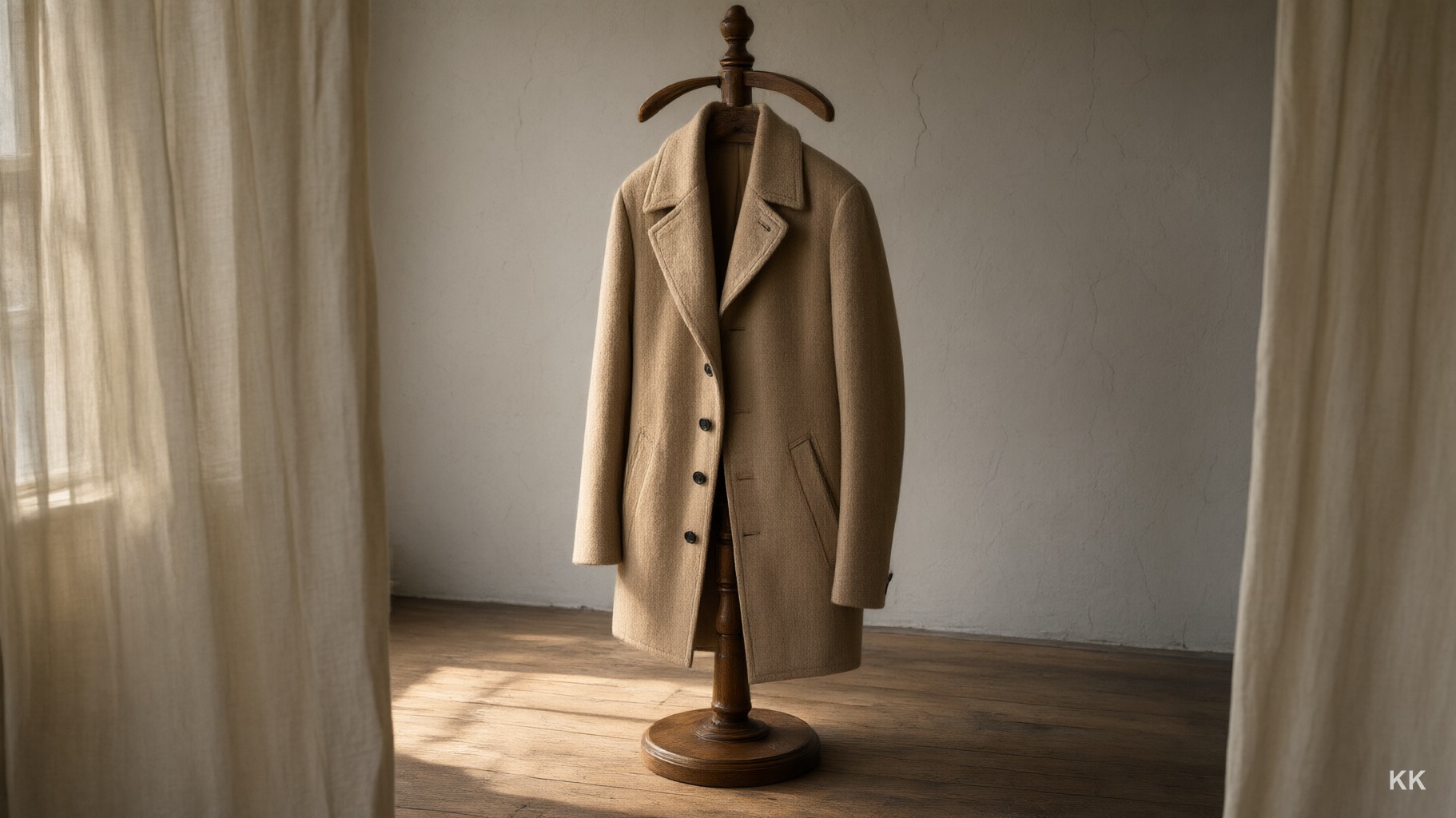
Brunello Cucinelli sells cashmere with no logo on the front and closed 2025 at €1.41 billion in revenue, up 10.1%. The Americas were its largest region, at €520.5 million. A brand that never prints its name across the chest is clearly not a niche.
A new label cannot copy that, though. Cucinelli has decades of reputation sitting behind every plain sweater. A founder starting out has the opposite problem: no reputation, and nothing on the garment to borrow one from. The work moves into the cloth, the cut and the sewing.
That is what this post is about: how to build a premium clothing brand when the garment has to make the argument on its own.
Quiet luxury fashion: what it means, and why it still sells
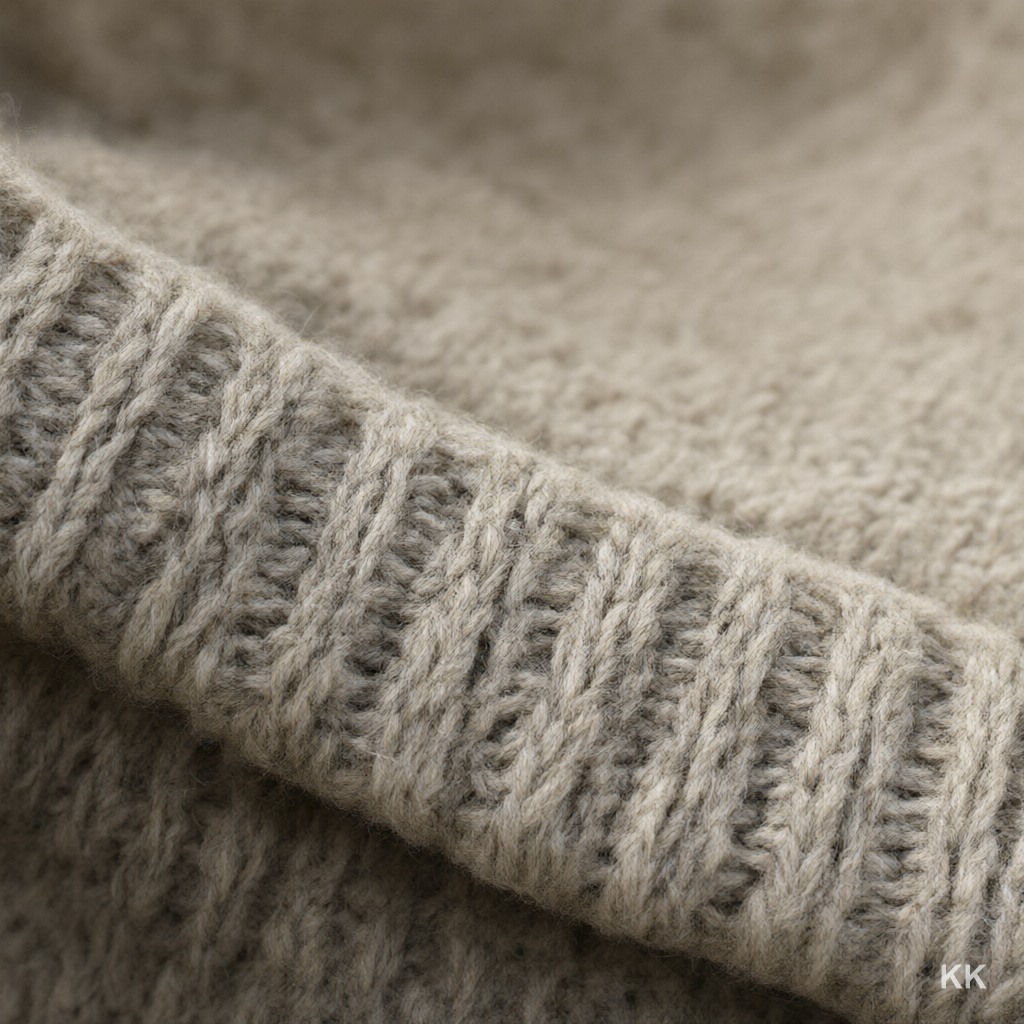
Quiet luxury means clothes that tell people who know what they are looking at that the garment is good, and tell everyone else nothing. No monogram, a plain label sewn inside, a fabric that hangs well enough that you only notice it when you touch it.
It is not the same as minimalism, which is a look. A plain white tee from a fast-fashion rack is minimalist. Traditional luxury sells a name, and the logo is the receipt. Quiet luxury sells the object itself, and the proof is in the fit, the weight and the stitching, which a screen print cannot fake.
Where a garment shows its value
Logo-led fashion against quiet luxury, row by row
| Logo-led | Quiet luxury | |
|---|---|---|
| Where the value shows | On the chest, from across the street | In the cloth, seams and hang, up close |
| What the customer checks | Whether the brand is the real one | Weight, hand-feel, fit, finishing |
| What breaks it | A fake, or a logo that goes out of fashion | Pilling, twisting seams, a size run that fits unevenly |
| Where production effort goes | Print, placement, brand assets | Fabric, extra sampling rounds, finishing |
Is the aesthetic finished? We argued that it has been picked clean in The Quiet Luxury Aesthetic Is Dead, because mass retail copied the palette. What it could not copy is the cloth. That gap is where a small brand has room.
Choosing premium fabrics for a quiet luxury clothing brand
Decide who you are selling to before you pick a single swatch of anything. Someone buying one coat to wear for ten years wants wool that keeps its shape. Someone buying a summer shirt wants linen and is happy for it to crease. Fabric follows the customer, not the other way round.
Five fibres come up in almost every brief like this, and each has a weak spot. Organic cotton is only as good as its fibre length, and the organic label says nothing about that. Linen creases, which is fine if you design for it. Tencel, the trade name for lyocell (a soft fibre made from wood pulp), drapes beautifully but can show wear at the seams. Merino is warm and fine but costs more and needs careful care instructions. Viscose can look rich and then lose its shape after a few washes if the grade is poor.
Weight is the easiest number to ask for. GSM (grams per square metre, how heavy the cloth is) tells you roughly how a fabric will hang.
“A customer who cannot see your name will look for your standards instead.”
Fit, construction and the details that replace a logo
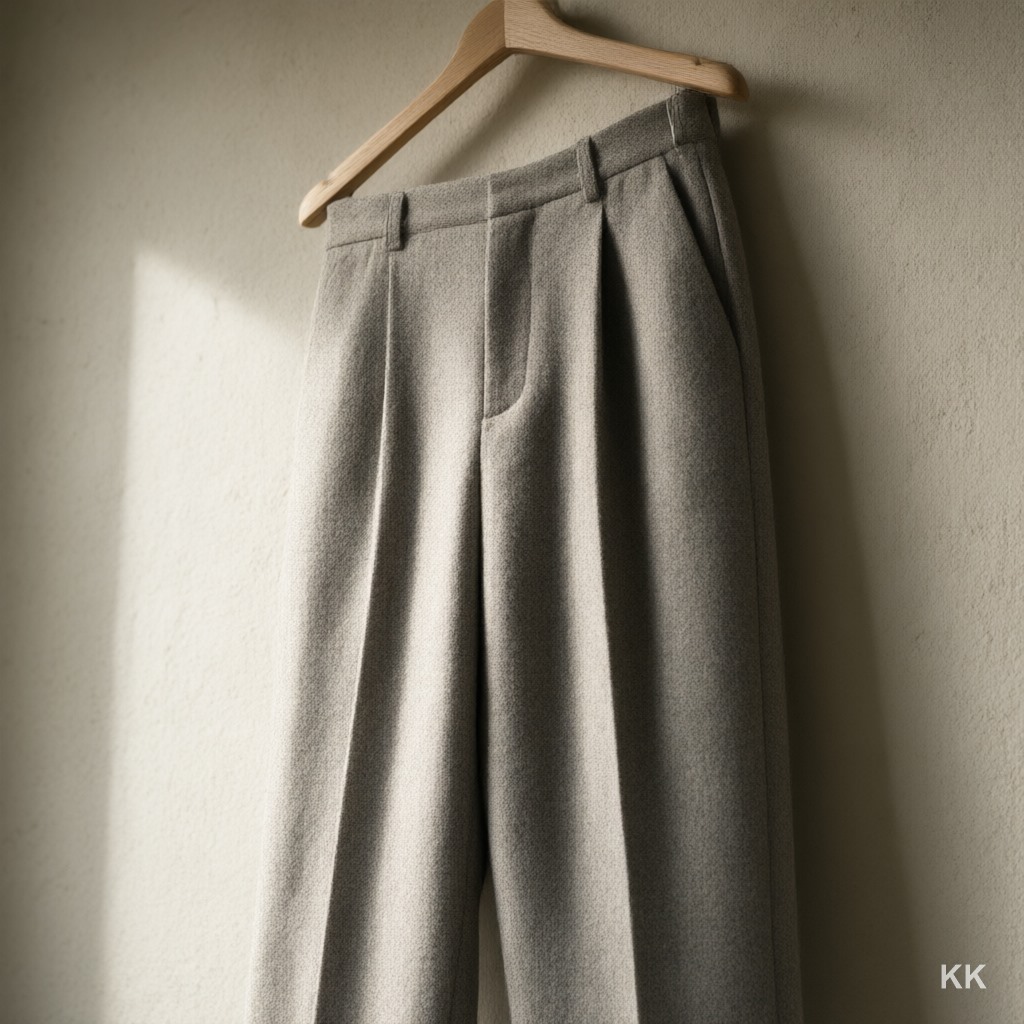
Without print to look at, people look at the garment. They notice whether the shoulder seam sits where the shoulder ends, whether the hem hangs level, whether the buttons are sewn on firmly. Choose a silhouette you can stand behind for several seasons and spend your fit-testing on that rather than on a new shape every drop.
Colour works the same way. A tight palette of stone, ivory, charcoal and navy lets every piece sit with every other, so a customer who buys twice can already build outfits from your line. Add a seasonal shade in small amounts and keep the base steady.
For the branding itself, think tonal embroidery, a woven neck label in the colour of the garment, a care label that is easy to read. A small mark is not a betrayal of the idea. Wrap the parcel in good tissue and a plain box, and treat the unboxing as part of the finish.
Work through it with us
Have a fabric and a silhouette in mind?
Send us the piece you would build first, with the fibre you are considering. We will tell you where it is likely to go wrong in sampling.
Sourcing and manufacturing quiet luxury clothing
This is where plain garments get expensive, and it is the part founders underestimate. With nothing to look at but the garment, every flaw is visible. Start with a tech pack that states the fabric, the weight, the stitch type, the trims and the measurements, so the factory is building to a document and not to a mood.
Then sample in stages and approve each one before the next starts.
Be wary of the cheapest quote. It usually got there by dropping a sampling round or swapping a trim, and in a garment with no logo those are the two things the customer will notice. Fabric and trim suppliers should show you wash results, not just a swatch.
Signs you are making this mistake
- • The design looks expensive in the render and ordinary in the cloth
- • You picked the factory on the lowest quote and skipped a fit round to hold it
- • You are launching a full range before one piece has sold twice
Pricing and marketing a quiet luxury clothing brand
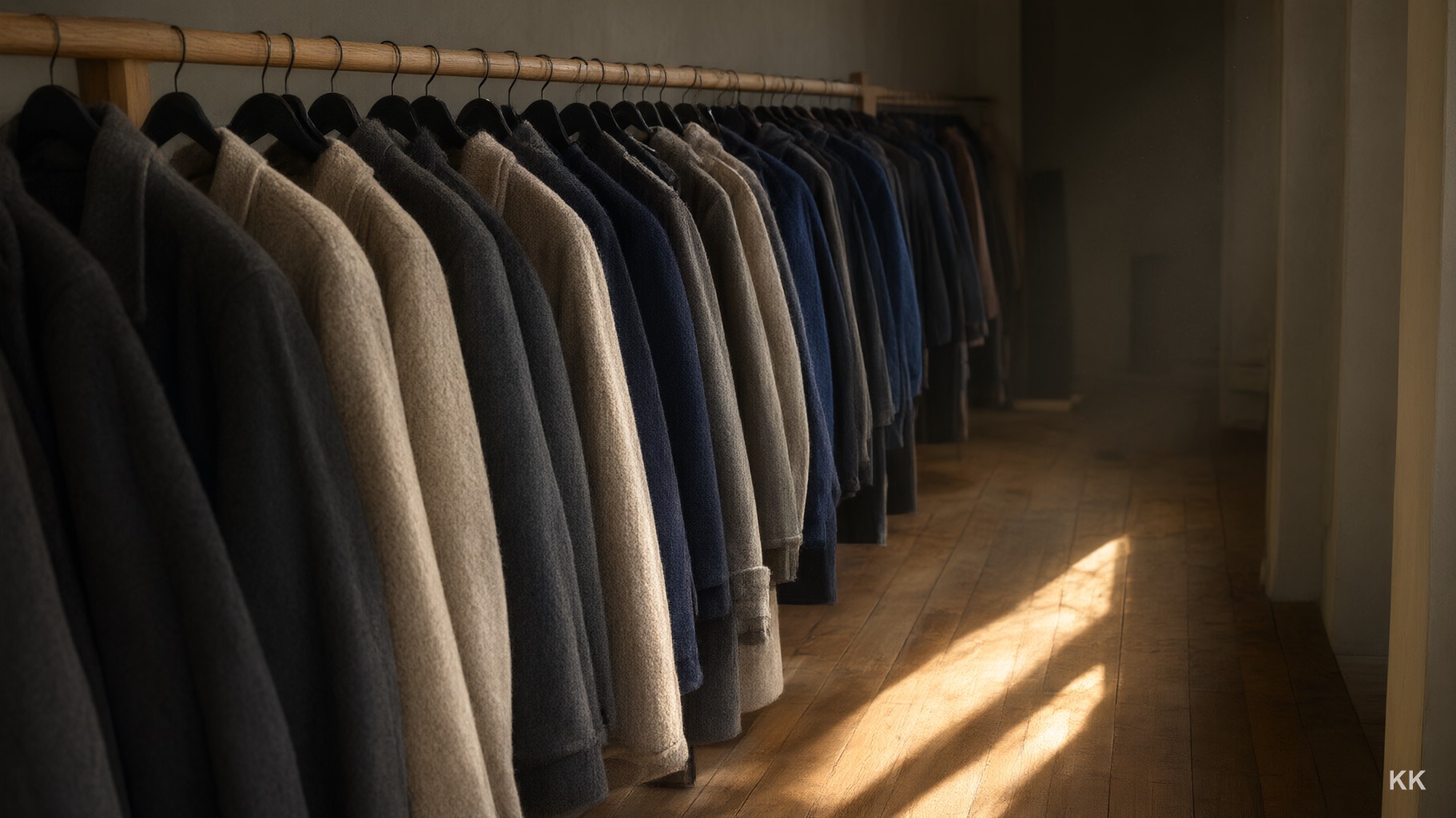
A premium price needs reasons the customer can verify. Put the fibre, the weight and the construction on the product page, shoot close-ups of the seam and the cuff, and let the copy say what the cloth is made of. A discount tells people the first price was a guess, so a quiet luxury brand has less room for them than most.
There is a real limit here. Shoppers can only price quality they can judge, and a brand nobody has touched yet has to earn that. Start with one or two pieces done properly. Unit cost moves with order size, so decide the price after you know what a small first run costs. Instagram and Pinterest suit this kind of product because the pictures do the explaining.
A manufacturing partner for a brand with nothing to hide behind
HY Official is not a no-logo brand. It describes itself as streetwear with luxury craftsmanship and carries a Rising Star emblem. But its case study lists the same trouble spots: sample quality that did not match bulk, and no single place that handled design, sampling and production. Logo or none, the garment stands or falls on those.
Krazy Kreators is a manufacturing partner for that stage: design development, fabric sourcing, tech packs, sampling, quality control and production, which can run as one end-to-end service for US founders.
If your garment had to sell with the label cut out, which part would you worry about first: the fabric, the fit or the finishing?
FAQs
What does quiet luxury mean in fashion?
Clothes that signal quality through fabric, fit and finishing instead of logos. Branding is minimal or hidden, silhouettes are timeless, palettes are neutral, and the proof is in how the garment feels and holds up over time.
How do you start a quiet luxury clothing brand?
Pick one customer and one or two pieces, choose the fabric before the design, write a tech pack, and approve every sampling stage before bulk production. Add pieces only after the first ones have sold more than once.
What fabrics are best for a quiet luxury clothing brand?
Organic cotton, linen, Tencel lyocell, merino wool and good-grade viscose all work. Match the fibre to the garment: wool for structure, linen for warm weather, lyocell for drape. Ask for fibre, yarn and knit details, not weight alone.
Can a clothing brand look premium without expensive logos?
Yes, and that is the point of quiet luxury. Fabric weight, clean construction, a consistent palette, well-sewn trims and careful packaging do the work a logo would. A small, discreet mark is fine if it suits the brand.
How much does it cost to start a premium clothing brand?
It depends on the fabric, how many sampling rounds the design needs and the size of the first run. Better fabric and extra fit rounds raise the cost per piece, and small runs cost more per unit than large ones, so price after you know the first-run cost.
How do I find a manufacturer for a luxury clothing brand?
Look for a partner that works from a tech pack, shows wash and sample results, and runs fit and pre-production samples before bulk. Ask how they handle a sample that differs from the bulk order, and do not choose on price alone.
What makes a clothing brand look expensive?
Consistent weight and drape, a clean neckline, level hems, firm stitching, a tight colour palette and plain, careful packaging. Inconsistency from one piece to the next reads as cheap.
Is quiet luxury a good niche for a new fashion brand?
It can be, if you can deliver the quality. It rewards small, well-made ranges, but mass retail has widely copied the look, so it only works when your fabric and finishing are clearly better than the copies. Without that, choose a different position.
About Krazy Kreators
Krazy Kreators is the end-to-end brand-building partner for US clothing founders — design, sampling, fabric sourcing and retail-grade production, and packaging, under one roof, from first sketch to shelf. krazykreators.com
Read next
10 min read
Custom Clothing Manufacturing Cost at Every MOQ Tier
What your unit cost really does as the order size moves.
12 min read
What Is a Tech Pack? The File Your Factory Builds From
The document that makes unit 200 match the sample.
15 min read
How to Start a Clothing Brand in 2026
The groundwork underneath any retail expansion plan.
Comments
No comments yet
Be the first to share your thoughts!