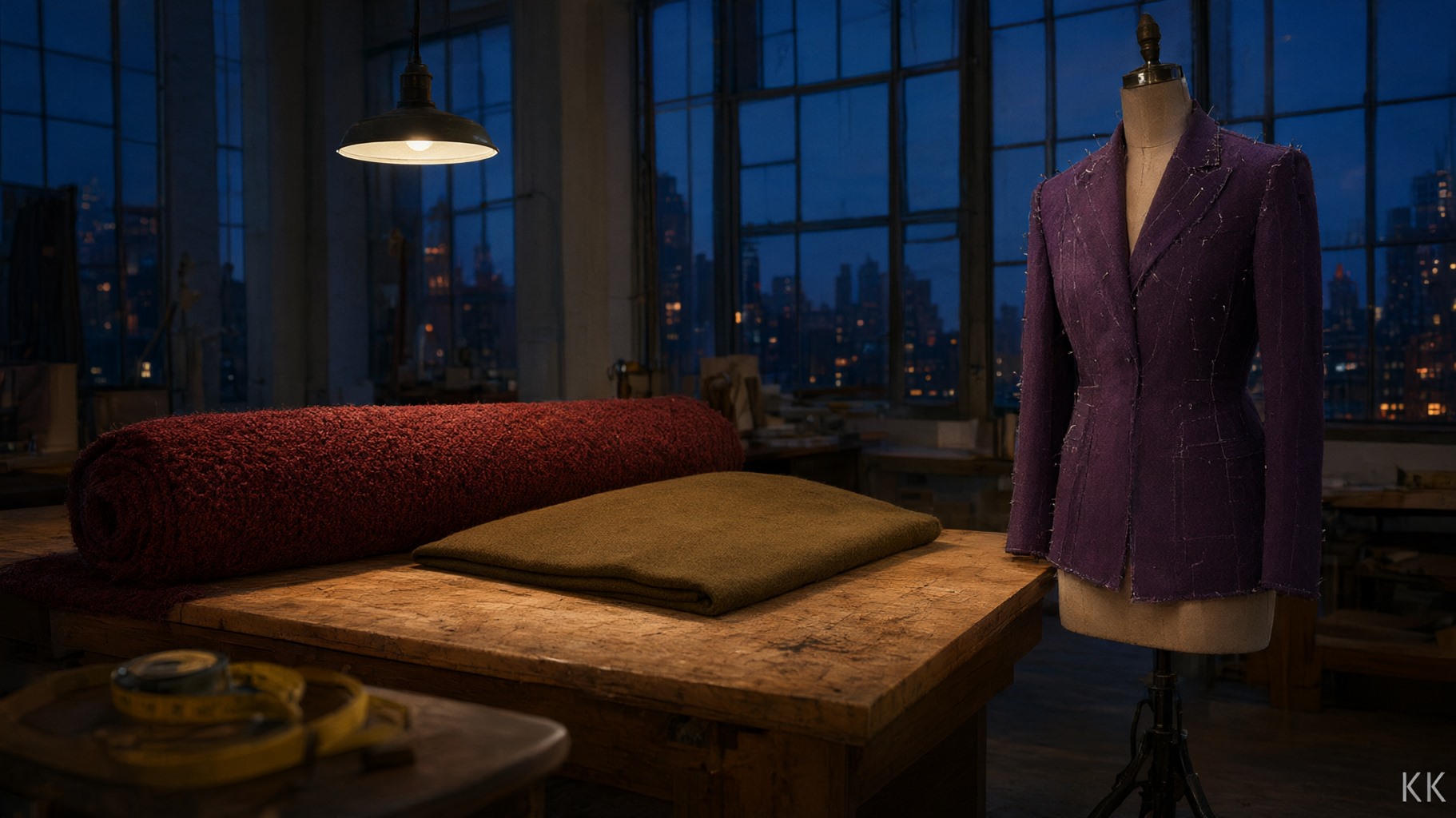
Pantone published its Fall/Winter 2026 palette on 11 February. The coats it described have been on US shop floors since July.
That is the awkward truth about fall winter 2026 fashion trends for a small brand reading about them in September: the stores bought this season in March. A from-scratch collection committed on Monday lands on 22 February 2027, after the markdowns. So here is the palette and the fabric list, verified against the forecasters’ own publications — and the two windows that are actually open.
What the Fall/Winter 2026 forecast actually said
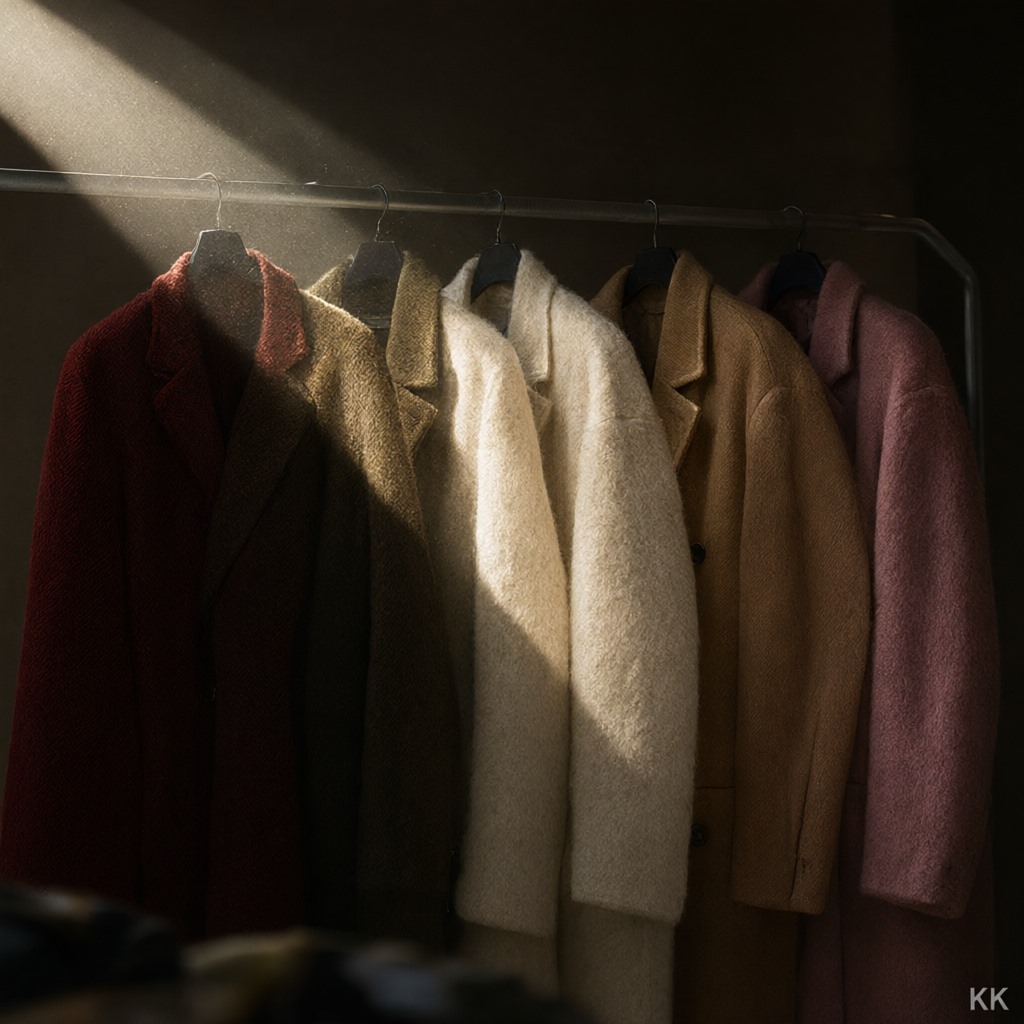
Two forecasts matter for a US brand. Pantone’s New York Fashion Week report names ten colours and five “seasonless” neutrals for Autumn/Winter 2026/2027 (Pantone Color Institute). WGSN and Coloro named five key colours for the same season, led by Transformative Teal (WGSN).
Where they agree is what you can bank. Both put a red-toned brown at the centre — Pantone’s Red Mahogany, WGSN’s Cocoa Powder. Both carry a purple: Foxglove and Festival Fuchsia on one list, Fresh Purple on the other. Both include an acid yellow-green, and both rest on a warm off-white, the same territory as Cloud Dancer, Pantone’s Colour of the Year (Pantone).
The runways confirmed the purple: Net-a-Porter’s buyers saw “chartreuse and purple appearing consistently throughout fashion month” (Who What Wear). A colour only one forecaster names is a house opinion. Treat it as optional — the same discipline we argued for when quiet luxury ran out.
Color trends 2026 apparel: five colours, not fifteen
Fifteen colours is a department-store palette. A small brand’s constraint is the dye lot (the minimum quantity a mill will dye in one colour): every colour you add is another minimum to meet and another lab dip to approve. Five is what a first or second collection can carry — two neutrals Pantone itself calls seasonless, two core colours both forecasters agree on, one accent bought at the minimum.
The caveat: if your customer buys black, charcoal and one blue, do not dye a hoodie purple because a report said so. Take the neutrals and the mahogany and leave the accent to a brand whose customer has shown they will pay for colour.
“A colour both forecasters name is a signal. A colour one of them names is an opinion you are paying a dye lot to test.”
Fabric trends for clothing brands: the weights that sell in the cold
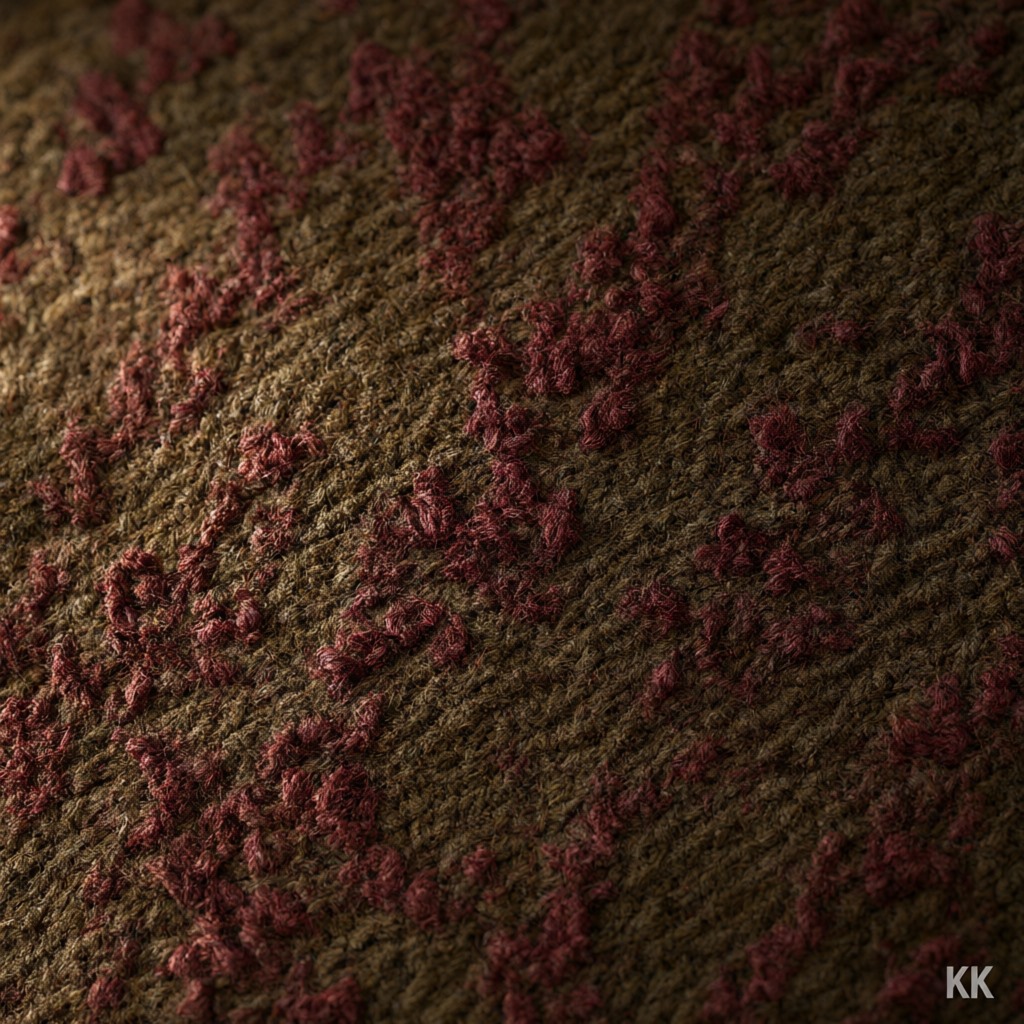
The fabric story is weight and structure. Fashion month ran on “rich brocade and jacquard fabric,” shearling and plaid (Who What Wear), and the fit went slimmer — coats at Prada and Jil Sander “so fitted they almost looked a size too small.” Denim mills say it plainly: Candiani’s new range runs to 14.5 oz, about 490 g/m², and Artistic Milliners told Sourcing Journal that “consumers are increasingly associating weight with quality” (Sourcing Journal).
For a small brand that sorts into three tiers. Easy: heavier weights of what you already run — a 400 g/m² fleece instead of 320, a 13 oz rigid denim instead of 10 oz stretch; our GSM guide explains what those numbers mean on the body. Medium: yarn-dyed checks and sherpa pile (a knitted fabric brushed to mimic sheepskin), which most mills stock. Hard: jacquard (a pattern woven in on the loom, not printed) and bouclé (a looped, knobbly yarn woven into a nubby cloth).
Hard because a jacquard needs its own loom set-up per design and a minimum per colourway — our cost-by-tier breakdown shows where that lands on a unit price — and bouclé snags, slips at the seams and needs a lining. Put it on one style, in one colour, on a block you already trust. And write the colour as a Pantone code and the cloth as a composition and a weight; that is what a tech pack exists to hold.
None of this cancels the fibre story: hemp and bamboo blends sit comfortably in these weights, and our earlier piece on 2026 fabric trends is the sustainable companion to this one. Fabric Sourcing 101 walks the choice from the fibre up.
Free download
The Forecast-to-Line-Sheet Template
A one-page spreadsheet: the five Pantone codes above with hex values for your design files, a 60/30/10 style grid with colour-per-style slots, a fabric-consolidation column, and the 12-week and 23-week date maths pre-filled from the day you open it. Excel and Google Sheets.
F/W 2026 manufacturing: the two windows still open
US wholesale delivers Fall in July and August and Holiday in October and November, against orders written between January and May (AIMS360). A first run of a small collection takes about 23 weeks by sea — 11 development, 7 making, 5 moving — and a reorder of a style whose pattern and fabric exist takes 12; we drew that timeline week by week.
Commit on Monday 14 September and the arithmetic is fixed. A from-scratch line lands 22 February 2027. A 12-week colour-up lands 7 December, or 9 November if you fly it. And Fall/Winter 2027 gets bought at MAGIC Las Vegas on 16–18 February 2027 (MAGIC), so samples are due at the start of that month.
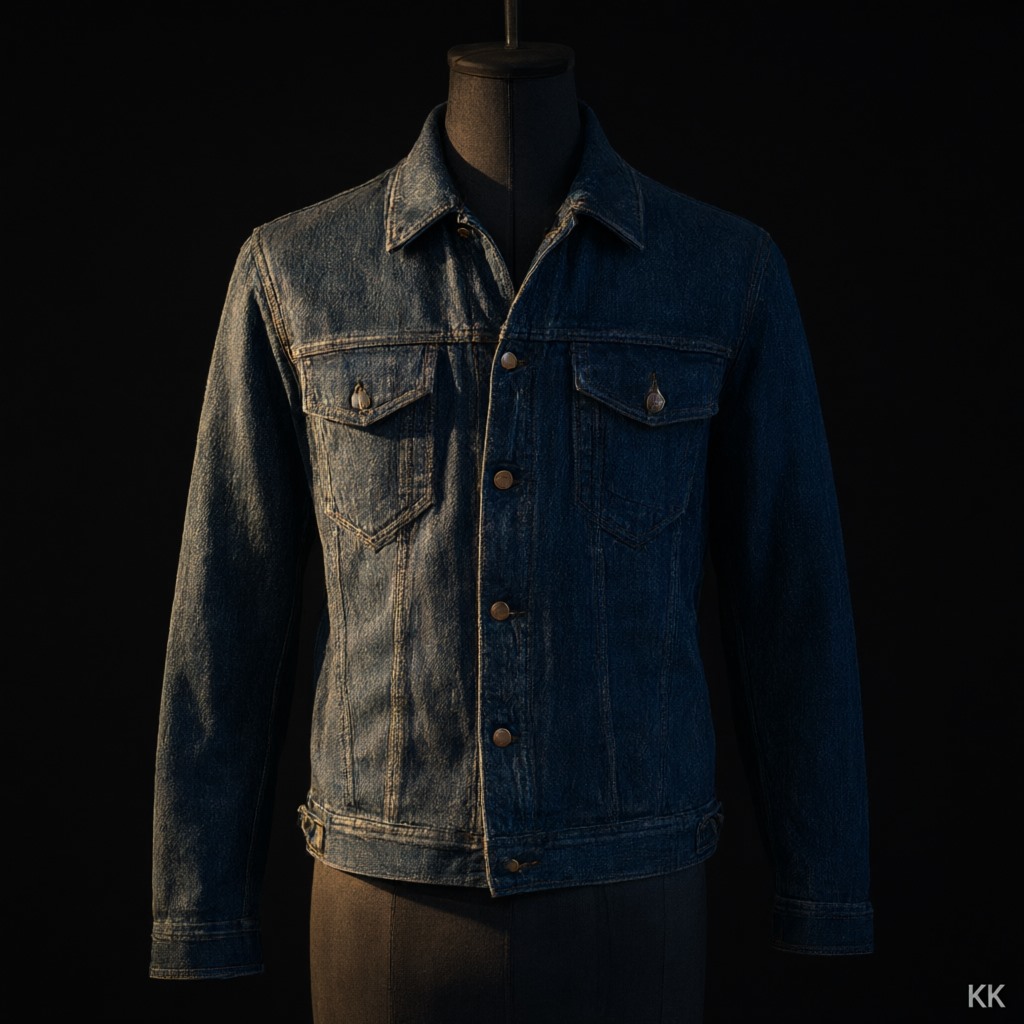
So the first open window is a colour-up: your best-selling block in Red Mahogany or Burnt Olive, one weight up, landing in early December for your own site’s January and February floor. Wholesale will not take it this late; your own channel will, and the report is titled Autumn/Winter 2026/2027 for a reason.
The second is bigger. The eleven development weeks you would spend on a from-scratch line are the same eleven that produce Fall/Winter 2027 samples, finishing 30 November with two months to fit and price before Las Vegas. In your shoes we would do both, and spend nothing new on a block. Which style would you trust with the first colour-up?
FAQs
What are the key fall winter 2026 apparel trends in colour?
The colours both major forecasters agree on are a red-toned brown (Pantone Red Mahogany 19-1521 and Arabian Spice; WGSN Cocoa Powder), a purple-pink (Pantone Foxglove 16-1710 and Festival Fuchsia; WGSN Fresh Purple), an acid yellow-green (Pantone Acacia; WGSN Green Glow), and a warm creamy off-white (Pantone Egret 11-0103; WGSN Wax Paper). Pantone’s seasonless neutrals for the season are Egret, Candied Ginger, Toffee, Underworld and Poseidon.
Which fabrics are trending for Fall/Winter 2026 clothing brands?
Weight and visible structure: yarn-dyed jacquards and brocades, bouclé, shearling and sherpa pile, plaid and tartan checks, and rigid or raw denim in heavier weights — Candiani’s new range runs to 14.5 oz, about 490 g/m². For a small brand the practical order is heavier versions of fabrics you already run first, stocked checks and sherpa second, and custom jacquard or bouclé last, on one style only.
Is it too late to manufacture a Fall/Winter 2026 collection?
For a from-scratch line, yes: about 23 weeks from a mid-September commit lands on 22 February 2027, after the season is marked down. Two windows are open. A 12-week colour-up of a style whose pattern and fabric already exist lands on 7 December by sea, or around 9 November by air, for your own site’s winter floor. And the same development weeks produce Fall/Winter 2027 samples in time for MAGIC Las Vegas on 16–18 February 2027.
About Krazy Kreators
Krazy Kreators is the end-to-end brand-building partner for US clothing founders — design, sampling, fabric sourcing and retail-grade production, and packaging, under one roof, from first sketch to shelf. krazykreators.com
Read next
6 min read
2026 Fabric Trends: Why Hemp and Bamboo Are Taking Over
The fibre side of this season's fabric story — the sustainable companion to this post.
7 min read
Understanding Fabric GSM: Choosing the Right Weight
What 320 versus 400 g/m² means on the body before you order one weight up.
12 min read
What Is a Tech Pack? The File Your Factory Builds From
Where the Pantone code and the fabric weight have to be written down.
Comments
No comments yet
Be the first to share your thoughts!